Washdown Pumps: The Upgrade You'll Use Every Single Trip
The bucket rinse never really worked. Pressure, flow, and plumbing specs for a washdown pump you will use on every single trip.
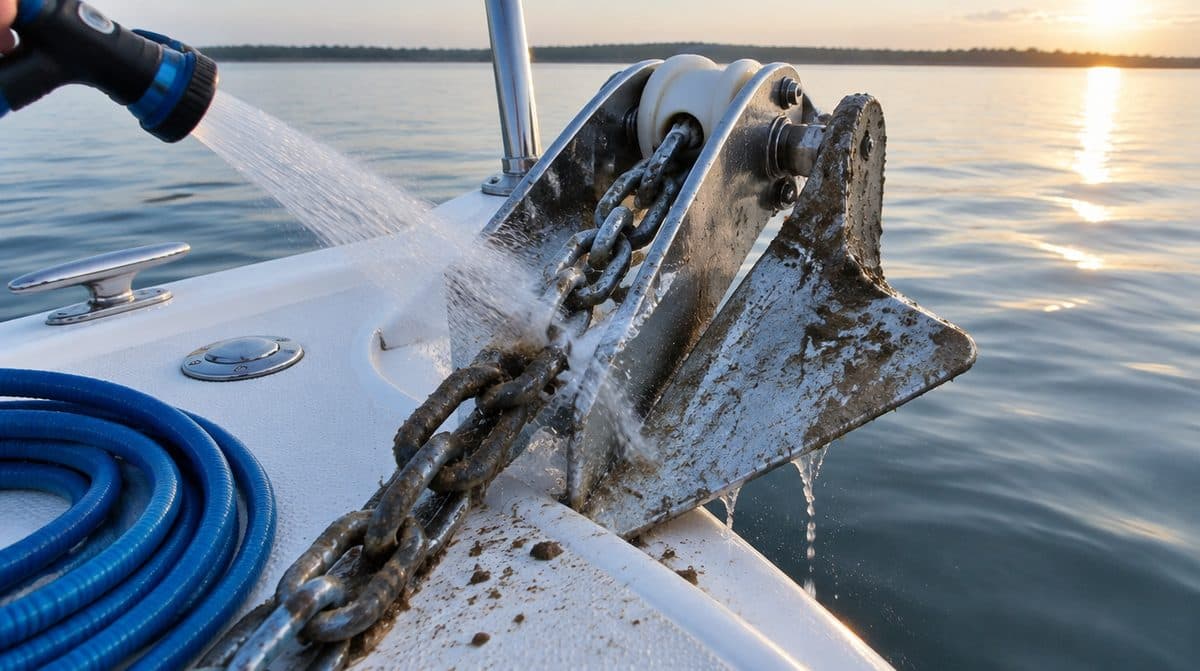
Once you've blasted a muddy anchor and a bloody deck clean with a real washdown pump, you'll never go back to a bucket. The bucket brigade always sounded fine at the dock. Then you pulled an anchor out of soft black mud, or filleted a limit of fish on the transom, and spent twenty minutes hauling water over the rail while the mess dried faster than you could chase it. A washdown pump turns all of that into a two minute job with a hose and a nozzle. Of all the upgrades you can bolt onto a boat, this is the one you will use on literally every trip.
How a Washdown Pump Works
A washdown pump is a pressure pump: it pulls water from a source (the sea or your freshwater tank), builds pressure, and holds it until you open the nozzle. Most marine units are diaphragm pumps with a built-in pressure switch. Open the trigger and the pump runs; close it and the pump shuts off when the line comes back up to pressure. That on-demand behavior is what makes it feel like a garden hose at home.
The plumbing is simple. On a raw-water setup: a through-hull and seacock, a strainer to keep grass and grit out of the pump, the pump itself, and a hose run to a deck outlet at the bow. Freshwater versions tee off the existing tank plumbing instead. Either way, the deck fitting is where the convenience lives, so put it where the mess happens.
Pressure (PSI) and Flow (GPM)
- Light rinsing: 45 to 50 PSI
- Serious anchor and deck washdown: 60 PSI or higher
Higher PSI blasts off mud and fish blood; higher GPM covers more area faster. The two work together. Pressure is what breaks the grip of dried mud on chain; flow is what sheets the loosened mess off the deck and out the scuppers. If you fish or anchor in soft bottoms, buy at the top of the range. An underpowered washdown pump is the kind of purchase you make twice.
Match the voltage to your boat while you are at it. Most runabouts and center consoles are 12 volt systems, while many larger cruisers run 24 volt house banks, and a pump wired to the wrong voltage either loafs or dies young.
Match the Plumbing
Use the correct hose size and a quality nozzle. Undersized hose chokes pressure the same way it does on a bilge pump. If the pump has half inch ports, run half inch hose all the way; necking down to a skinny hose or a bargain nozzle throws away the pressure you just paid for. A coiled washdown hose stows neatly at the bow and stretches to reach the anchor roller, which is exactly where you need it.
The nozzle is worth a few extra dollars too. You want an adjustable pattern, from a wide fan for rinsing the deck to a tight jet for cutting mud out of chain links, and a trigger that locks off so the pump is not cycling while you reposition.
Saltwater vs. Freshwater
Raw-water (saltwater) washdown pumps pull straight from the sea, great for anchor rinsing. Freshwater washdown runs off your tank for a cleaner final rinse. Many boats have both, and the division of labor is logical: the ocean supplies unlimited water for the dirty work, and the tank supplies a modest amount of clean water for the final pass so you are not leaving salt to dry on gelcoat and hardware.
If you can only plumb one, think about how you boat. Anchor-and-fish boats get the most from raw water, since mud and blood are the daily enemies. If your washdown dream is mostly rinsing salt off the boat at the end of the day, a freshwater setup teed off the pressure system may be all you need. Just watch your tank level, because a washdown nozzle empties a water tank faster than a galley faucet ever will.
Installation Realities
Mount the pump low and close to the water source so it primes easily, but out of the bilge splash zone. Put the strainer where you can actually reach it, because you will be cleaning grass out of it, and a strainer you cannot see is a strainer that never gets checked. Wire the pump through a dedicated switch at the helm with properly sized wire and a fuse or breaker matched to the pump's rating. A long skinny wire run starves the motor and shows up as weak pressure that gets blamed on the pump.
On the suction side of a raw-water system, keep the seacock accessible and close it when you leave the boat. Any hose connected to the sea deserves that respect.
Maintenance and What Wears Out
Washdown pumps live a hard life: salt water inside, salt air outside. Rinse a raw-water pump by running fresh water through it when you can, especially before winter layup. Clean the strainer regularly. If pressure fades or the pump starts short-cycling when the nozzle is closed, the usual suspects are a clogged strainer, a tired diaphragm, or a leaky connection letting air in on the suction side. Diaphragms and pressure switches are replaceable on most quality pumps, so a rebuild kit is often cheaper than a new unit.
A deck brush finishes what the pump starts, and stiff versus soft bristles matter more than people think. We covered that in our boat cleaning tools guide.
From the Water
Rinse the anchor as it comes up, not after it's in the locker. Mud is easy to knock off wet and miserable once it dries into the chain. Make it part of the retrieve: one person on the windlass or rode, one on the nozzle, and the anchor stows clean. Your anchor locker, and whatever lives downwind of it, will thank you.
Where to Get It
Everything in this guide is stocked at Boat Supplies Direct, the Nautical Network marine parts store. Orders ship free all year with Dock Pass, the $49 a year shipping pass.
In stock as this guide goes up: - Jabsco Par-Max HD6 Heavy Duty Water Pressure Pump, 24V, 6 GPM, 60 PSI - Johnson Pump Aqua Jet Washdown Pump Kit with Hose, 12V - Johnson Pump 25 Foot Coiled Washdown Hose, 1/2 Inch Diameter
Browse the full range: - Shop washdown pumps - Read the full buying guide, including FAQs
More from the Wire
 Buying Guides
October 28, 2026
Freshwater Pumps: Real Water Pressure on Your Boat
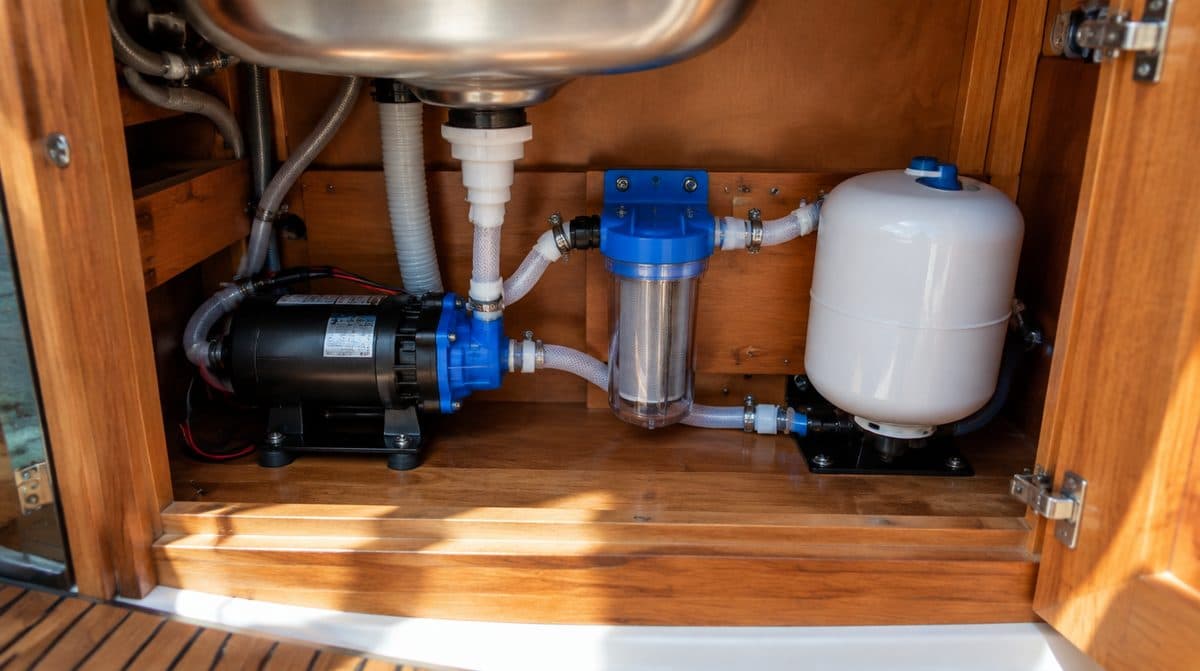
A sputtering shower or a pump that clicks all night is your freshwater system asking for help. GPM ratings, pressure switches, and accumulator tanks, explained in plain English.
Read more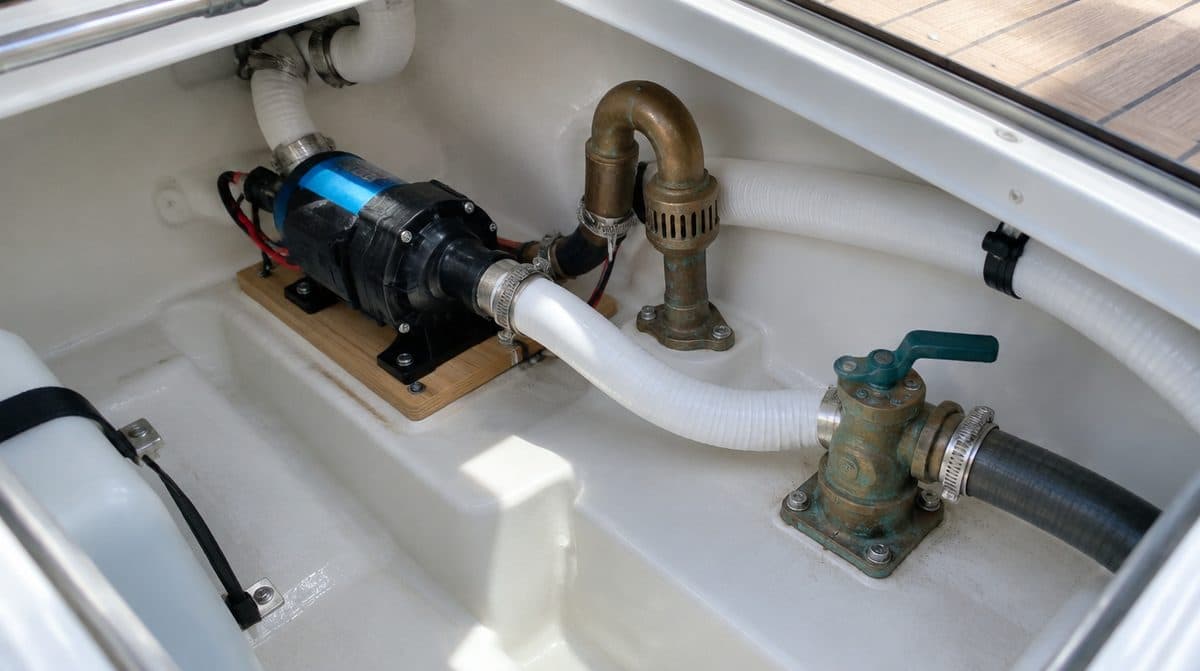 Buying Guides
October 27, 2026
Macerator Pumps: What They Do and Why They Burn Out
A macerator has one unglamorous job and one very common way to die. Flow ratings, run-dry protection, and the plumbing details that keep it grinding for years.
Read more Buying Guides
October 19, 2026
Your Phone Is Not a Safety Plan: The Case for a Marine VHF Radio
Your phone can't call the boat a mile away, and offshore it can't call anyone. What a VHF does that a cell signal never will, and how to pick one.
Read more