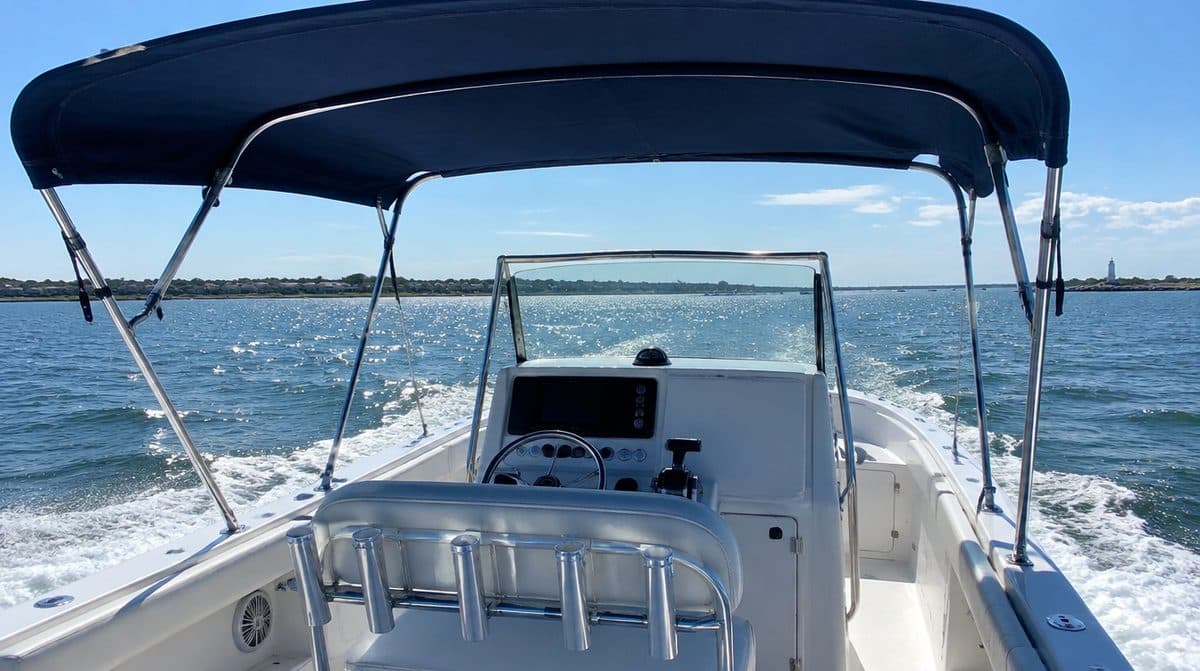
Biminis and Boat Covers: Shade Underway, Protection at Rest
The four measurements that make a bimini fit, and which cover survives trailering versus storage.
Florida sun will bake your crew underway and wreck your upholstery at the dock. The right bimini and cover handle both jobs: shade while you run, protection while the boat sits. The catch is that both are fit-critical purchases, and fit is decided by a tape measure, not by your boat's length on the registration.
What you are actually buying A bimini is a fabric top stretched over a set of arched tubes called bows. A 3-bow top is the common setup on smaller and mid-size boats, and more bows mean more fore-and-aft coverage and better support for the canvas. The frame folds flat on deck hinges when you want the top down, and a storage boot zips over the folded bundle to keep the fabric clean and out of the sun.
Frames come in stainless steel or anodized aluminum. Stainless is stiffer and shrugs off years of salt; aluminum is lighter and easier on the budget. Either way, look at the fittings, because the frame is only as strong as the hinges and slides that hold it. Straps or rigid struts hold the deployed top in tension, and rigid struts win in a breeze because they resist pumping.
One more thing worth knowing: the fabric and the frame are separate parts. If your frame is sound and the canvas is sun-rotted, you can often buy replacement fabric alone and save real money over a whole new top.
Bimini sizing (4 measurements) Measure these before buying a bimini: - Width between mounting points - Desired height - Length of the top (fore to aft coverage) - Mounting location
Get the width right first, then choose length for how much shade you want.
Width is the measurement that cannot be fudged. Measure centerline to centerline between the spots where the deck hinges will mount, straight across the boat. A top that is too narrow will not reach its mounts, and one that is too wide bows the frame and chafes the fabric.
Height is measured from the mounting point up to where you want the canvas, not from the deck. Think about what happens under it: standing headroom at the helm is the usual goal, but every inch of height is also an inch of windage and an inch closer to the lowest bridge on your route.
Length decides how much of the cockpit actually lives in shade. Remember that the sun moves and the boat turns, so a top that just barely covers the helm seats at noon leaves someone roasting by mid afternoon. Decide who you are shading, then size the coverage to keep them covered through a real day on the water.
Mounting location drives the other three numbers. Gunwale mounts, rail mounts, and deck mounts each change the width and the effective height, so settle where the hardware lands before you measure anything else. While you are there, check that the folded frame has somewhere to go without blocking a walkway or a rod holder.
Cover types - Mooring/storage cover: full protection at the dock or in storage. - Travel cover: rated to stay on at trailering speeds. - Winter cover: heavier, for off-season storage.
Make sure a cover is rated for how you will use it. A storage cover will shred at highway speed.
The difference is not marketing. A travel cover is cut tighter, reinforced at the tie-down points, and built to be lashed hard against the hull so the wind cannot get underneath and start the flogging that destroys canvas. A mooring cover is cut for easy on and off and all-around protection from sun, rain, and bird bombs, which is exactly what you want at the dock and exactly what fails when highway-speed wind gets under a loose panel. A winter cover is the heavyweight of the family, built for months of unattended duty.
Fit matters as much as type. A good cover sheds water instead of pooling it, so use the support pole if the cover takes one. Pooled rainwater stretches fabric, breeds mildew, and eventually finds its way through a seam. Vents let trapped moisture escape so the boat is not steaming under there all summer.
Fabric Solution-dyed acrylic and marine polyester resist UV, mildew, and fading. Cheap fabric fails in a season of Florida sun.
Solution-dyed means the color is locked into the fiber itself before the fabric is woven, instead of printed or dyed onto the surface afterward. The color cannot bake off because it goes all the way through, which is why solution-dyed acrylic is the standard for bimini tops that live deployed. Marine polyester is the value play, strong and commonly used for covers. Either way, check that the thread is UV-rated too, because plenty of canvas outlives the stitching that holds it together.
Care and lifespan Rinse salt off canvas with fresh water and let it dry completely before zipping the boot or folding a cover away. Stowing canvas wet is the fastest route to mildew, and mildew stains never fully leave. Brush off dirt with a soft brush before it grinds in; our boat cleaning tools guide covers which brush is safe on fabric and gelcoat alike.
When water stops beading on acrylic canvas, re-treat it with a fabric waterproofing made for the material. Hit the zippers with a dry lubricant once in a while, and rinse the frame fittings so the slides keep sliding. A top that gets this treatment far outlasts a neglected one.
Mistakes to avoid - Buying by boat model or length instead of measuring the actual mounting width. - Running a storage cover down the highway. - Folding canvas away wet. - Cranking straps guitar-string tight, which bends bows and tears stitching. - Skipping the boot, so the folded top sits in the sun it was supposed to block.
From the Water Lower or stow the bimini before trailering at highway speed unless it's rated for travel. Highway wind tears up frames and canvas faster than a storm. Even with a travel-rated setup, give every knob, strap, and hinge a once-over at the first fuel stop, because that is where the loose ones reveal themselves.
Where to Get It Everything in this guide is stocked at Boat Supplies Direct, the Nautical Network marine parts store.
In stock as this guide goes up: - Carver 3-bow bimini top with boot, Pacific Blue - Carver 3-bow bimini top frame - Carver 3-bow bimini fabric and storage boot, black
Browse the full range: - Shop biminis and shades - Covers - Read the full buying guide, including FAQs
More from the Wire
 Buying Guides
October 18, 2026
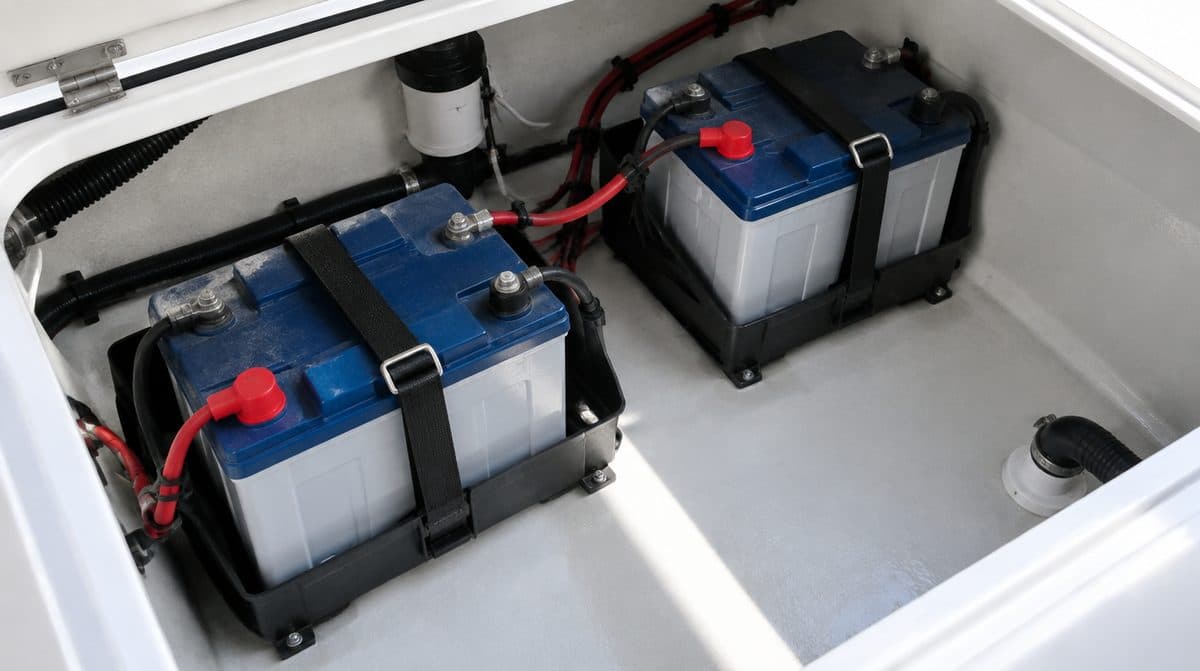
Starting vs. Deep Cycle: The Battery Mistake That Strands Boaters
Starting, deep cycle, or dual purpose, and flooded, AGM, or lithium. How to pick the battery type that will not leave you stranded.
Read more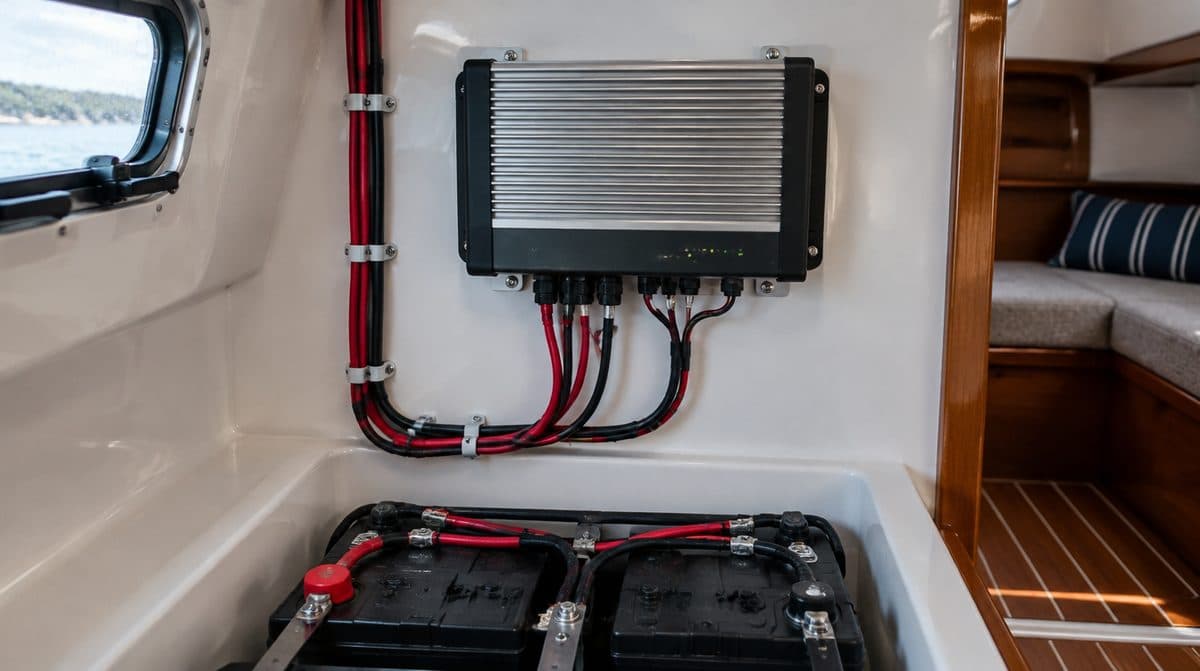 Buying Guides
October 18, 2026
The Onboard Charger: Cheap Insurance for Expensive Batteries
Batteries die young when they sit half-charged. How to size an onboard charger by amps, banks, and chemistry.
Read more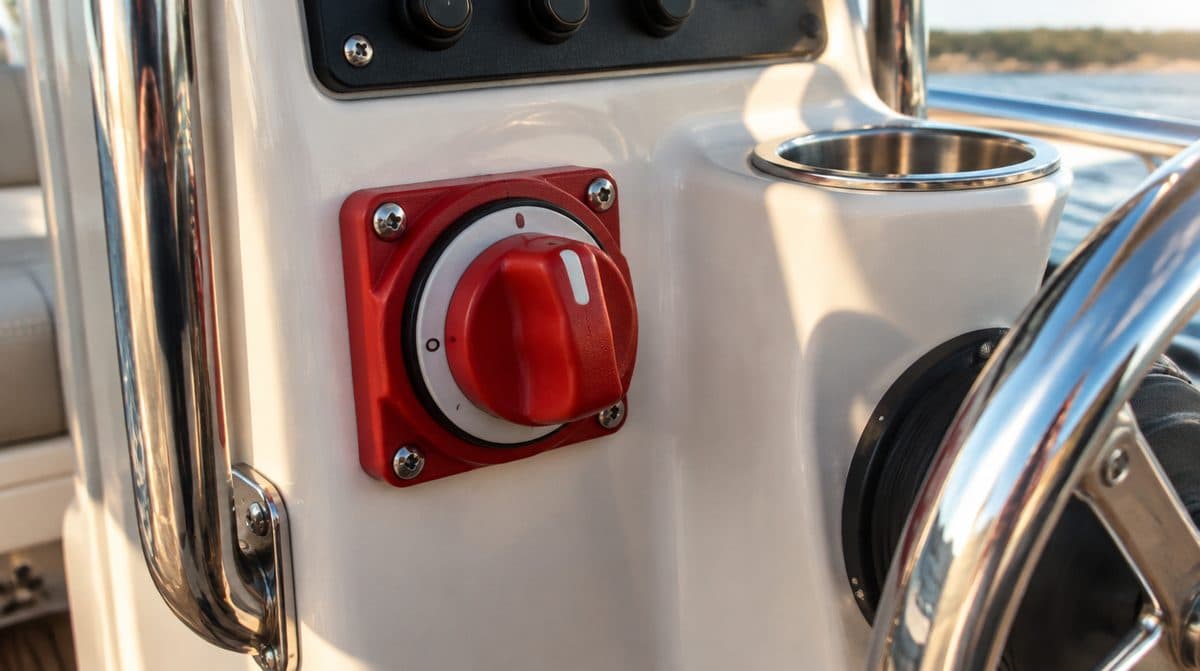 Buying Guides
October 18, 2026
Battery Switches and Isolators: Never Get Stranded by a Dead Battery
The switch and isolator setup that keeps your starting battery ready while the house bank runs your gear.
Read more