Starting vs. Deep Cycle: The Battery Mistake That Strands Boaters
Starting, deep cycle, or dual purpose, and flooded, AGM, or lithium. How to pick the battery type that will not leave you stranded.
A surprising number of tow calls come down to one thing: a dead battery that was the wrong type for the job. The boat was fine, the engine was fine, and the battery might even have been close to new. It was simply asked to do work it was never built for, and it quit at the worst possible moment. The good news is that choosing the right battery is easy once you understand what each type is actually designed to do.
How a Marine Battery Actually Works
Every lead acid battery stores energy in lead plates sitting in an acid electrolyte, and the shape of those plates decides the battery's personality. Thin plates with lots of surface area can dump a huge rush of current all at once, which is exactly what a starter motor needs for a few seconds of cranking. Thick, dense plates give up their energy slowly and survive being drained and recharged again and again. No single plate design does both jobs well. That is the whole reason battery types exist, and it is why the label on the battery matters more than the brand printed above it.
Three Types
- Starting (cranking): delivers a big burst to start the engine, not meant for deep draining.
- Deep cycle: delivers steady power over time for trolling motors, electronics, and house loads, and tolerates being drained and recharged.
- Dual purpose: a compromise that starts the engine and runs accessories, good for smaller boats with one battery.
Using a starting battery to run a trolling motor will kill it fast. Every deep discharge flakes active material off those thin cranking plates, and after a season of that abuse, a battery that tested fine in the spring will not hold enough charge to spin the engine in the fall. The reverse mistake is gentler but still a mistake: a pure deep cycle battery can struggle to deliver the burst of cranking amps a big outboard wants on a cold morning.
Dual purpose batteries are a real compromise, not a free lunch. On a smaller boat with one battery and modest electronics, they make sense. Once you add a trolling motor, a livewell, and a stack of electronics, split the jobs: a dedicated starting battery for the engine, and true deep cycle batteries for everything else.
Chemistry
- Flooded lead acid: cheapest, needs occasional maintenance.
- AGM: sealed, maintenance-free, handles vibration, costs more.
- Lithium: lightest, longest life, most usable capacity, highest upfront cost.
Flooded batteries vent gas while charging and slowly lose water, so you top them up with distilled water, keep the terminals clean, and mount them upright in a ventilated compartment. Treated well, they are honest, affordable workhorses. Neglected, they sulfate and die young.
AGM (absorbed glass mat) batteries hold the electrolyte in fiberglass matting, so they are sealed and spillproof, and they shrug off the pounding a hull takes far better than a flooded battery. They can be mounted in tight or odd spots, they accept a charge faster, and they self-discharge more slowly in storage. You pay more up front in exchange for less babysitting.
Lithium (LiFePO4) changes the math entirely. You can use most of the rated capacity instead of stopping around half, it weighs a fraction of what lead does, and it holds voltage steady until it is nearly empty, so a trolling motor pulls as hard in the afternoon as it did at first light. The catch, beyond the upfront cost, is that your charging gear must have a lithium profile. Confirm that before you buy the battery, not after.
Sizing: A Worked Example
Match group size to your tray, and capacity (amp hours or reserve minutes) to your loads. Group size (24, 27, 31, and so on) is just a standardized physical footprint, so measure your tray and the compartment height before you fall in love with any battery.
Capacity is arithmetic. Say your fishfinder, lights, livewell pump, and stereo draw about 10 amps combined, and you want a full 5 hours at anchor. That is 50 amp hours of energy actually used. With flooded or AGM batteries, you should avoid routinely draining below half charge, because deep discharges shorten their life, so you would want roughly 100 amp hours of rated capacity. Add a trolling motor and the numbers climb quickly, which is exactly why serious anglers run multiple deep cycle batteries. More electronics and a trolling motor mean more amp hours. It is that direct.
Installation and Care
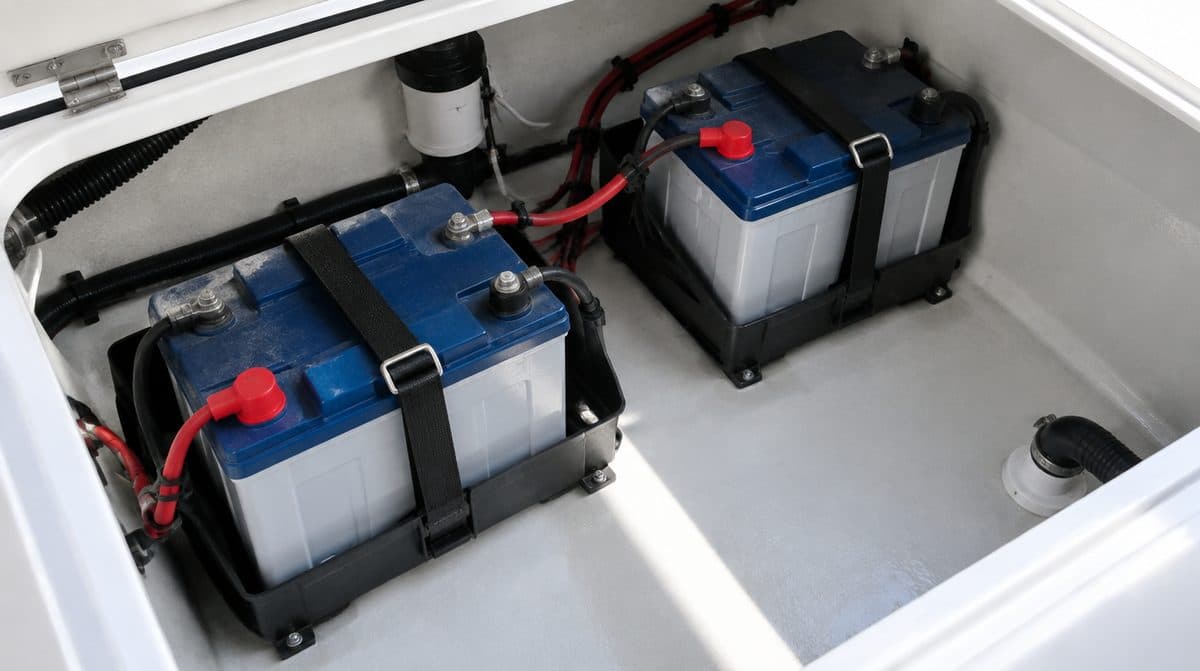
A battery needs to be strapped down hard in a proper tray, not resting loose in the bilge. A battery that shifts underway can chafe cables, crack its case, or short against something it should never touch. Keep terminals clean and connections tight, and skip wing nuts on anything that carries serious current, because they loosen with vibration.
The other half of battery care is simple: keep it charged. Lead acid batteries sulfate when they sit partially discharged, and sulfation is the slow death behind most "it just stopped holding a charge" stories. A proper onboard charger that tops the bank off between trips is the cheapest life insurance you can buy for a battery, and we cover how to pick one in our onboard battery charger guide.
Signs a Battery Is on the Way Out
- Cranking sounds slower than it used to, especially on the first start of the day.
- Voltage sags hard the moment a load comes on, then recovers when it stops.
- A flooded battery that suddenly needs water more often than it used to.
- A bulging case or a rotten egg smell near the battery, which means stop and replace it.
- It takes a full charge at the dock but is noticeably down by the next morning.
Any one of these is a warning. Two or more means replace it on your schedule, before it decides to quit on its own schedule, somewhere inconvenient.
Mistakes to Avoid
- Buying on price alone. The cheapest battery that dies in two seasons costs more than the right one that lasts.
- Mixing an old battery with a new one in the same bank. The old one drags the new one down to its level.
- Mixing chemistries on one charging system without gear that supports both.
- Ignoring the tray and strap. A loose battery is a safety problem, not a detail.
- Letting the boat sit all winter without a maintenance charge.
From the Water
If you're running electronics at anchor, put the switch on your house bank only. Keep the starting battery isolated so it's always ready to get you home. It is a habit that costs nothing, takes two seconds at anchor, and eliminates the single most common way boaters strand themselves.
Where to Get It Everything in this guide is stocked at Boat Supplies Direct, the Nautical Network marine parts store.
In stock as this guide goes up: - Attwood Group 29/31 battery tray with straps
Browse the full range: - Shop electrical - Read the full buying guide, including FAQs
More from the Wire
 Buying Guides
October 18, 2026
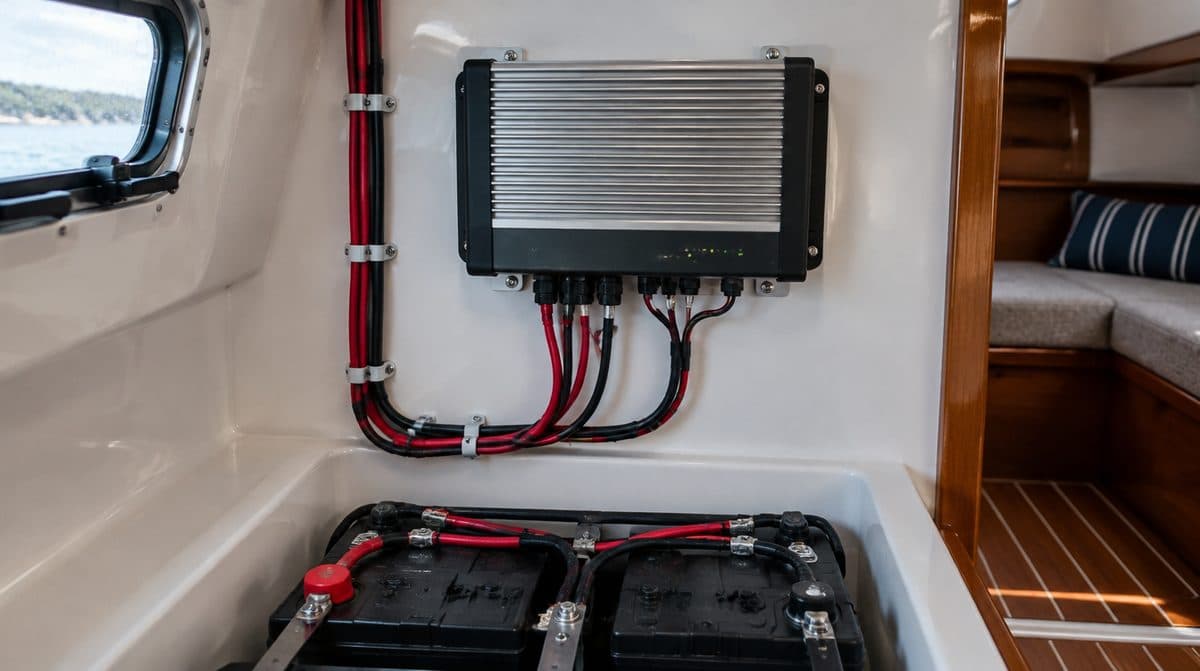
The Onboard Charger: Cheap Insurance for Expensive Batteries
Batteries die young when they sit half-charged. How to size an onboard charger by amps, banks, and chemistry.
Read more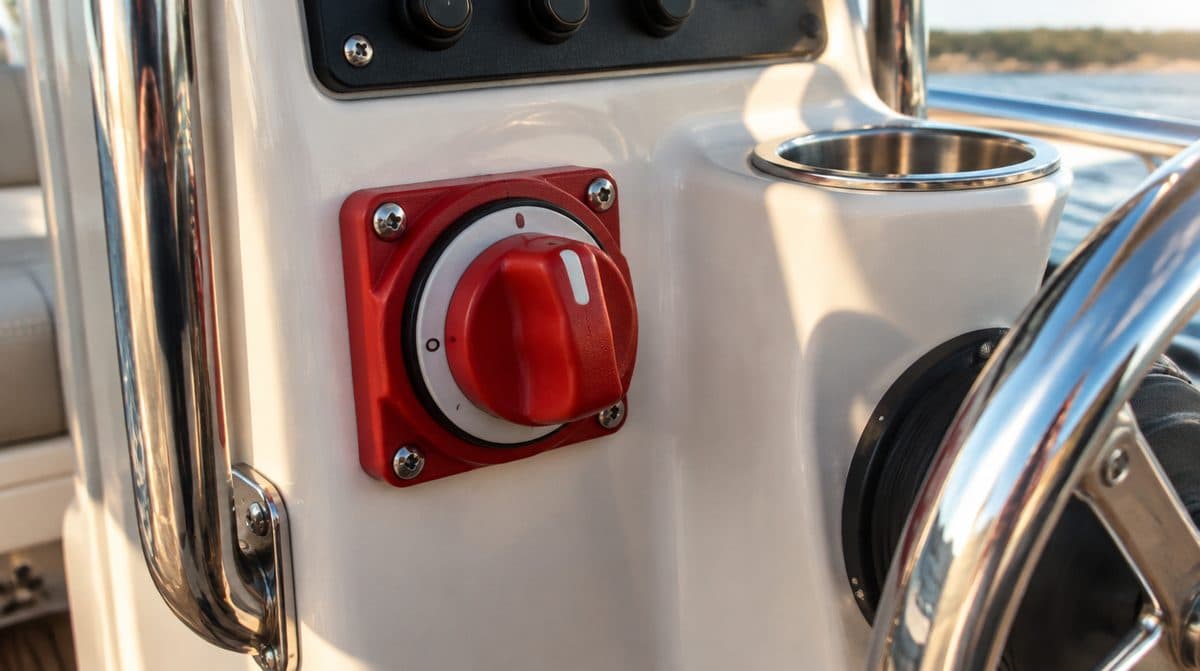 Buying Guides
October 18, 2026
Battery Switches and Isolators: Never Get Stranded by a Dead Battery
The switch and isolator setup that keeps your starting battery ready while the house bank runs your gear.
Read more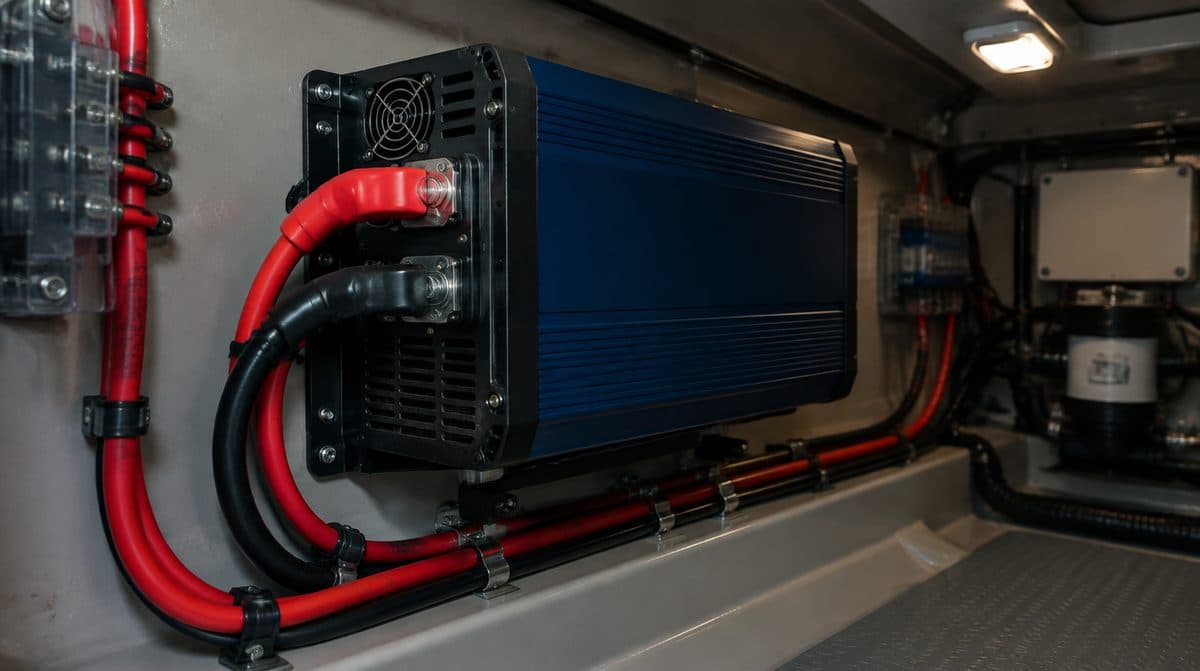 Buying Guides
October 18, 2026
Marine Inverters: Home Power on Battery
Home power on battery: sizing an inverter by watts, choosing pure sine, and wiring it safely.
Read more