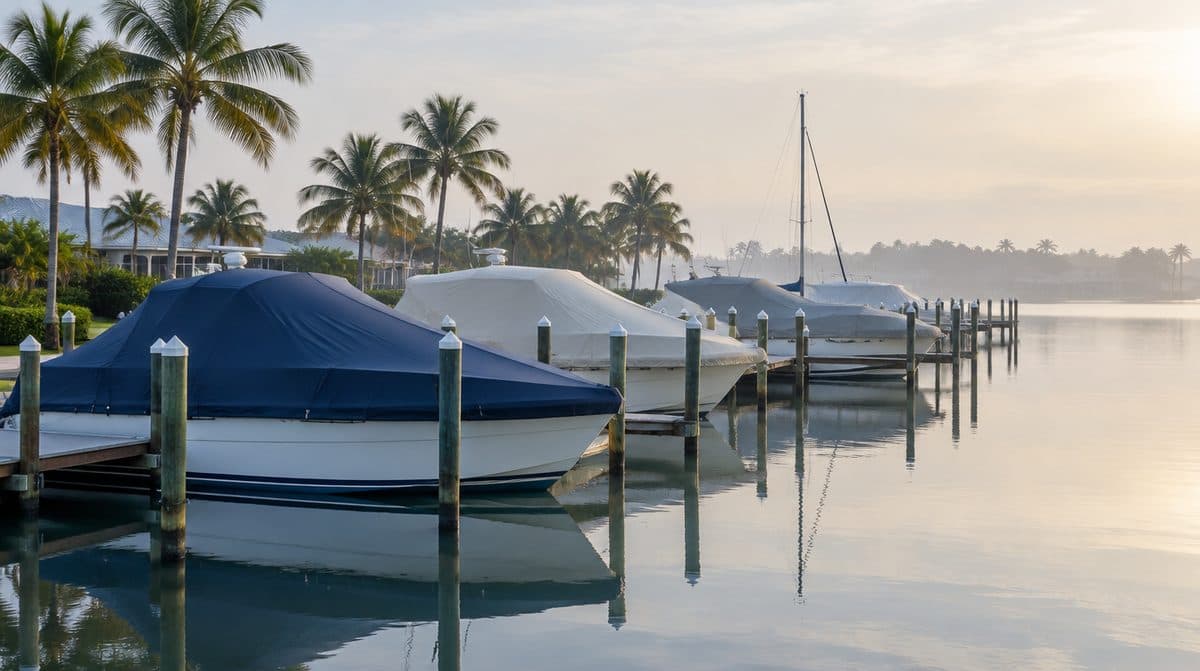
Winterizing a Boat in Florida: What Actually Matters in a No-Freeze State
Florida boats skip the antifreeze, not the off-season checklist. What fuel, batteries, growth, and covers need when the boat sits, plus the North Florida cold-snap exception.
Up north, winterizing is a ritual: antifreeze through the block, boat shrink-wrapped, season over. In most of Florida the boat never comes out and the season never really ends, so plenty of owners skip the whole idea. That is a mistake. Florida boats do not freeze, but they sit, and sitting is its own kind of weather.
Fuel does not take the winter off
If the boat will sit for weeks between trips, the fuel tank is the first thing working against you. Ethanol-blended gas pulls moisture out of humid air, and Florida has no shortage of that. Left long enough, water and fuel separate in the tank, and the engine ends up drinking the bad layer. The fix is simple seamanship: keep the tank mostly full to limit the air space, add a quality fuel stabilizer before the boat sits, and run the engine long enough to pull treated fuel all the way through the system.
Batteries die of boredom, not cold
A Florida battery rarely freezes to death. It sulfates to death, sitting partially discharged for a month while a bilge pump float switch and a stereo memory wire sip away at it. If the boat sits, put the house and start batteries on a proper marine maintainer, check the terminals for the green fuzz, and confirm the bilge pump still has what it needs. A dead battery in January is annoying. A dead bilge pump in January is a much worse phone call.
The water stays warm enough for the barnacles
Growth does not read the calendar. Florida water stays warm enough that hulls keep fouling through the winter, which is why most Florida hull-cleaning services and experienced owners stay on a roughly monthly cycle year-round, stretching only slightly in the coolest months. Winter is also a good time to watch the zincs: builder guidance says to replace sacrificial anodes once they are about half consumed, because past that point they are no longer protecting your running gear. A diver from Waypoint's bottom-cleaning listings can handle both in one visit.
Covers and canvas earn their keep
Florida winter sun is still Florida sun. UV keeps bleaching gelcoat and rotting thread while the boat sits, and winter cold fronts bring wind and rain that find every gap in an old enclosure. A fitted cover, clean canvas, and open vents that let air move will do more for a sitting boat than almost anything else. Mildew loves a sealed, damp cabin.
The North Florida exception
From roughly Ocala north, and especially across the Panhandle and around Jacksonville, hard freezes do happen a few nights a year, and that is when Florida boats suffer genuinely northern damage. Raw-water systems are the weak point: inboard engine blocks, generators, air conditioning loops, livewell pumps, and washdown lines can all crack if water freezes inside them. Outboards are more forgiving because they drain themselves, but only when stored tilted fully down, vertical, so water can run out. When a freeze warning is posted, drain what you can, leave the outboard down, and treat raw-water loops on inboards and generators the way a northern yard would. One cold night can do a season's worth of damage.
If any of this list is overdue, winter is the easy time to catch up, because the pros have more room on the calendar than they will in April. Find a mechanic, diver, or canvas shop near you on nautical.network/directory, and let the boat sit ready instead of just sitting.
More from the Wire
 Ownership
September 27, 2026
Hurricane Prep for Boat Owners: Write the Plan Before the Cone Shows Up
Haul or stay, doubled lines, stripped canvas, and the insurance fine print: the hurricane decisions Florida boat owners should make in May, not at the storm briefing.
Read more Ownership
September 26, 2026
E10 and Your Marine Engine: Phase Separation, Storage, and Stabilizer Habits
Why the same gas your truck burns happily can wreck a boat engine: what E10 does in a vented marine tank, how phase separation works, and the habits that prevent it.
Read more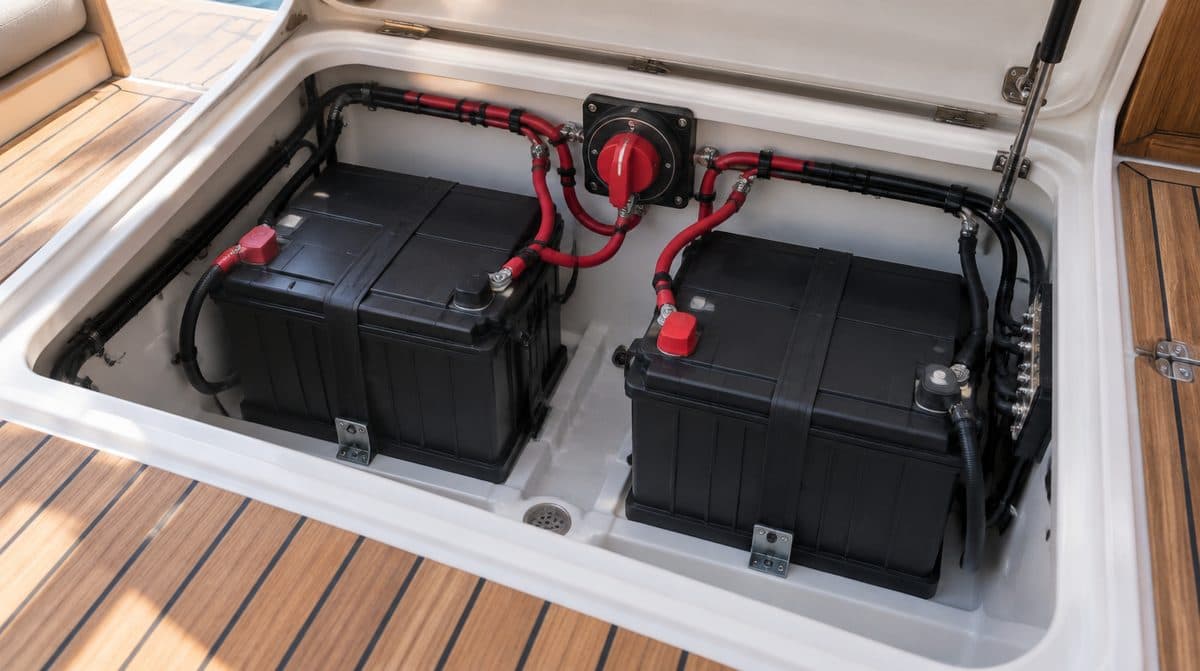 Ownership
September 25, 2026
Marine Batteries, Explained: Starting vs Deep Cycle, and Why Boats Eat Them
Starting, deep cycle, or dual purpose; flooded, AGM, or lithium. A plain-words guide to picking marine batteries and keeping them alive in Florida heat.
Read more