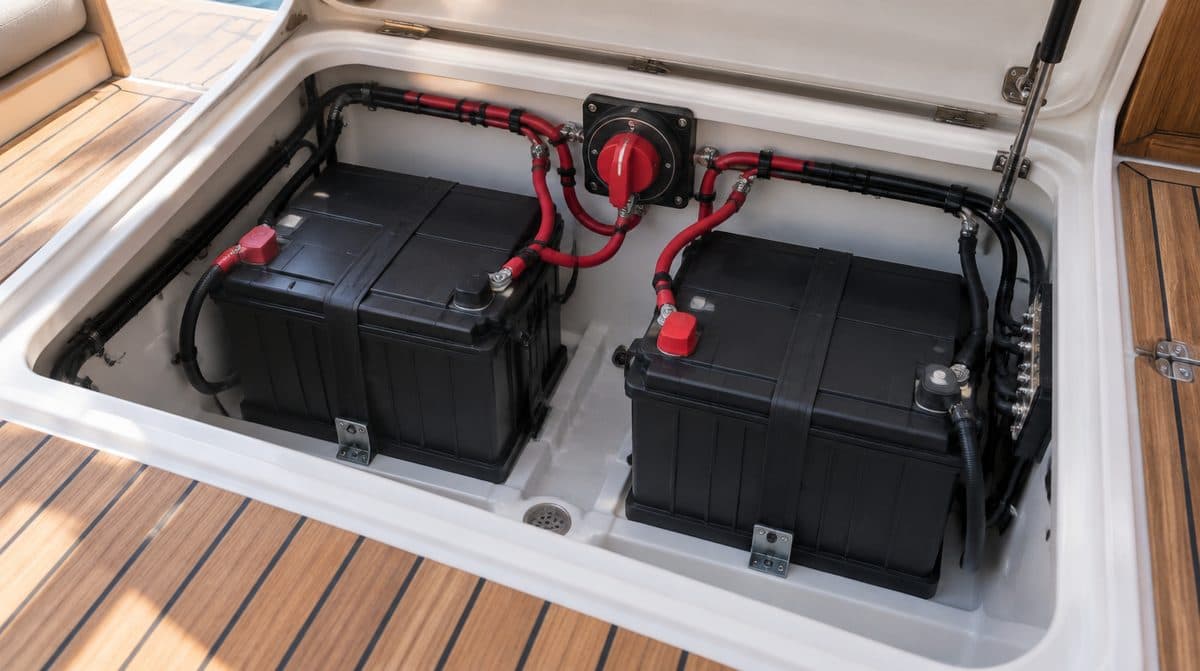
Marine Batteries, Explained: Starting vs Deep Cycle, and Why Boats Eat Them
Starting, deep cycle, or dual purpose; flooded, AGM, or lithium. A plain-words guide to picking marine batteries and keeping them alive in Florida heat.
Marine batteries live short, hard lives, and most of them die of neglect rather than old age. The good news is that battery problems are among the most preventable failures on a boat. It starts with buying the right type for the job, and ends with how the battery spends its many idle weeks.
Starting, deep cycle, and dual purpose
A starting battery is a sprinter. It uses many thin plates to dump a huge burst of current for a few seconds, then expects the engine's charging system to top it right back up. A deep cycle battery is a marathoner, built with thicker plates that tolerate being drained well down and recharged over and over, which is what trolling motors, house loads, and stereo afternoons at the sandbar demand. Ask a sprinter to run a marathon and it dies young: a starting battery deeply discharged a handful of times is on borrowed time. Dual purpose batteries split the difference, and on a single-battery boat they are a sensible compromise. On anything with real house loads, the cleaner setup is a dedicated starting battery and a separate deep cycle bank.
Flooded, AGM, lithium
Chemistry is the second decision. Flooded lead-acid is the cheapest way to buy amp hours, and the fussiest: it needs to sit upright, vents gas while charging, wants its water checked, and self-discharges fastest while the boat sits. AGM is the sealed, maintenance-free step up: it shrugs off vibration, charges faster, holds its charge far better between trips, and can be mounted in awkward spots, all for a higher price. Lithium is the premium tier: dramatically lighter, usable through most of its capacity, and good for many times the charge cycles, but it demands a charging system set up for it, so it is a system decision rather than a drop-in swap on most boats.
Why boats eat batteries
Cars rarely kill batteries because they drive often and charge while they do. Boats do the opposite. They sit for weeks with small parasitic loads ticking away, bilge pump floats, stereo memory, trackers, and a lead-acid battery left sitting partly discharged quietly sulfates, which permanently costs capacity. Add Florida heat, which accelerates every chemical process inside the case, plus pounding vibration that shakes plates apart, plus the deep discharges of a long sandbar day, and you have the whole recipe. A battery that strands you did not fail that morning. It had been failing all season.
Charging basics
Three habits cover most of it. First, match the charger to the chemistry: flooded, AGM, and lithium each want different charging profiles, and a modern multi-stage charger set correctly is the difference between years and months of life. Second, keep batteries topped up between trips with a maintainer or a properly set onboard charger, because a full battery is a happy battery. Third, keep banks honest: do not mix old and new batteries or different chemistries in one bank, keep terminals clean and tight, and learn what your battery switch actually does before you need it at the ramp.
If your boat keeps eating batteries no matter what you buy, the problem is usually the charging system or a hidden draw, not the battery. A verified marine electrician can chase that down in an hour. Find one on Waypoint, and pick up chargers and maintainers in the shop.
More from the Wire
 Ownership
September 27, 2026
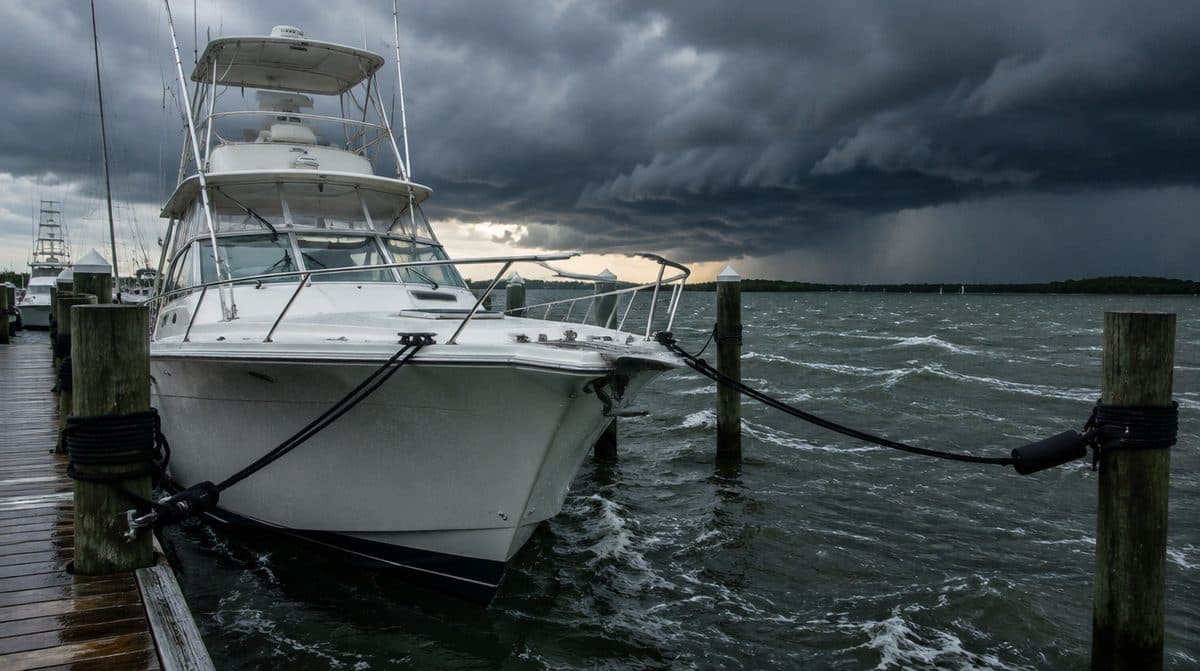
Hurricane Prep for Boat Owners: Write the Plan Before the Cone Shows Up
Haul or stay, doubled lines, stripped canvas, and the insurance fine print: the hurricane decisions Florida boat owners should make in May, not at the storm briefing.
Read more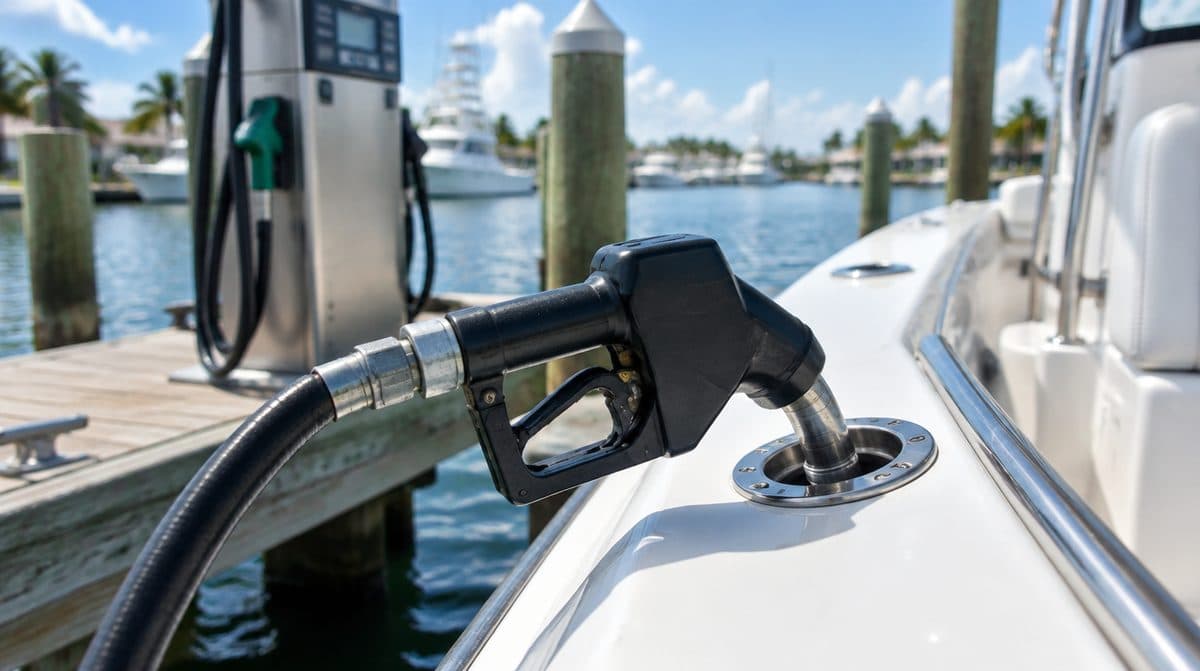 Ownership
September 26, 2026
E10 and Your Marine Engine: Phase Separation, Storage, and Stabilizer Habits
Why the same gas your truck burns happily can wreck a boat engine: what E10 does in a vented marine tank, how phase separation works, and the habits that prevent it.
Read more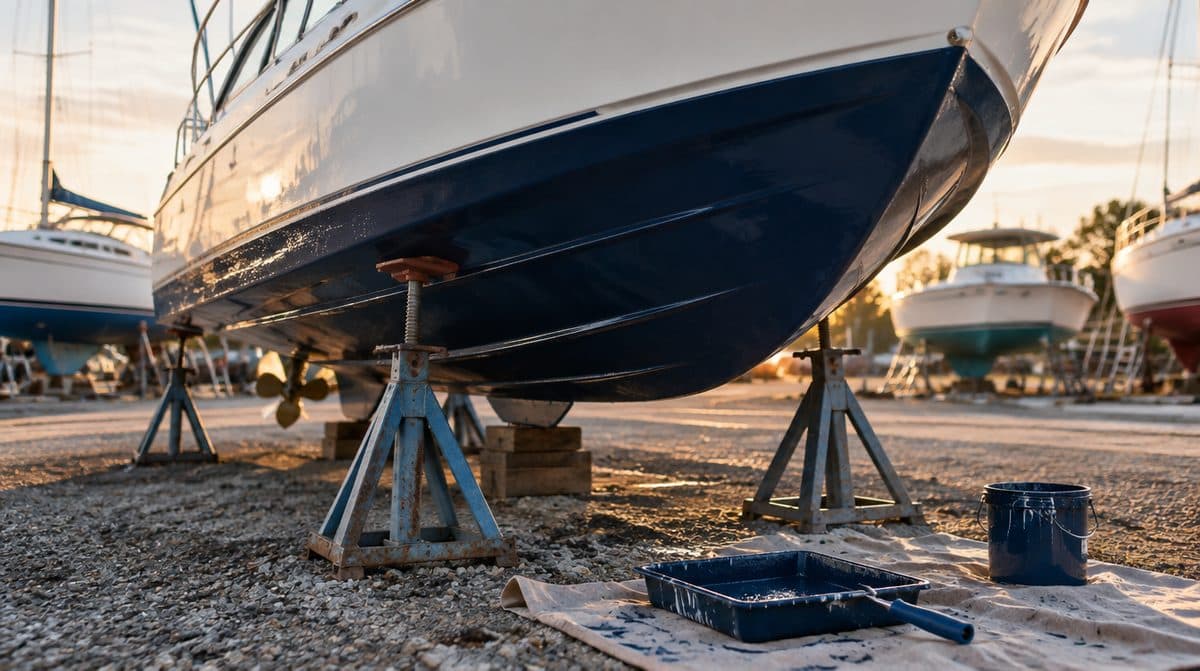 Ownership
September 24, 2026
Bottom Paint in Florida Water: Ablative vs Hard, and When to Start Over
How ablative and hard antifouling paints actually work, what Florida water does to both, when a bottom needs stripping and barrier coat, and why your diver's report is gold.
Read more