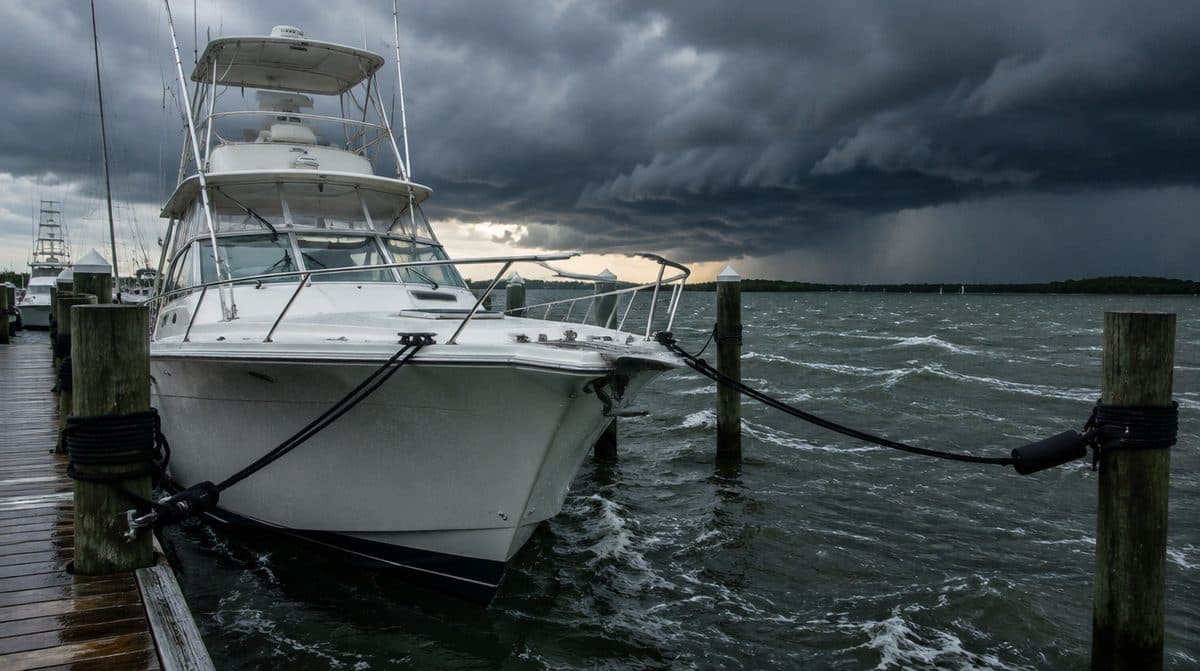
Hurricane Prep for Boat Owners: Write the Plan Before the Cone Shows Up
Haul or stay, doubled lines, stripped canvas, and the insurance fine print: the hurricane decisions Florida boat owners should make in May, not at the storm briefing.
Every Florida boater lives with the same math: six months of hurricane season, every single year. The owners whose boats come through storms best are not lucky. They made every decision back in May, wrote it down, and worked a checklist while everyone else was fighting over the last jack stands.
Write the plan down
A hurricane plan is one page: where the boat rides out the storm, who moves it, what comes off, and who has keys and authority if you are out of town when the forecast turns. Many Florida marinas require a plan on file, and BoatUS advises asking your marina manager what the marina itself intends to do, because your boat's fate is tied to the dock it sits on. Add your insurer's claim number, your policy's storm requirements, and current photos of the boat. A plan that lives in your head is not a plan if you are in Ohio when the cone appears.
Haul if you can, and commit early
The evidence favors dry land. A study MIT conducted after Hurricane Gloria, cited by BoatUS for decades since, found that boats stored ashore were far less likely to be wrecked than boats left in the water. That is why many yards run hurricane clubs: you pay a deposit in spring and your boat is among the first hauled when a storm threatens. Insurers agree with the physics. The GEICO BoatUS insurance program, for one, has offered named-storm haul-out reimbursement covering half the labor cost up to 1,000 dollars, and other carriers have similar incentives, so check your policy. Once the boat is on the hard, the work is not done: BoatUS recommends extra jack stands on plywood pads, chained together so they cannot kick out, and strapping the boat to ground anchors where the yard offers them.
If the boat stays in the water
Staying at the dock is a rigging project. BoatUS describes the goal as a spider web: the boat suspended in the middle of long, doubled lines running to as many separate pilings and cleats as you can reach, so no single failure lets the boat go. Use longer, larger-diameter lines than your everyday set, tied high on the pilings, because storm surge will raise the boat farther than you think. And protect every contact point with chafe gear. In a hurricane, lines rarely snap from pure load. They saw themselves apart against a chock over hours of motion.
Strip everything that catches wind
Wind works on area, so take the area away. Bimini tops, enclosures, sails, cushions, dinghies, paddleboards, antennas, burgees: all of it comes off and goes home with you. Canvas you leave up will not survive anyway, and everything loose becomes a missile aimed at your boat or your neighbor's.
Read the insurance before June
Most Florida policies carry a separate named-storm deductible, calculated as a percentage of the boat's insured value rather than your normal flat deductible, and some carriers restrict named-storm coverage further. The time to learn your number is spring, when you can still shop, prepay a haul-out slot, or document your prep. After landfall, the policy says what it says.
If your plan involves moving the boat, line up a transport company before storm season instead of during the rush, and if you would rather hand the whole checklist to a professional, Florida yacht management firms do exactly this for a living. Waypoint lists both, verified. And when a storm already has a name and you need hands fast, post what you need at nautical.network/help.
More from the Wire
 Ownership
September 26, 2026
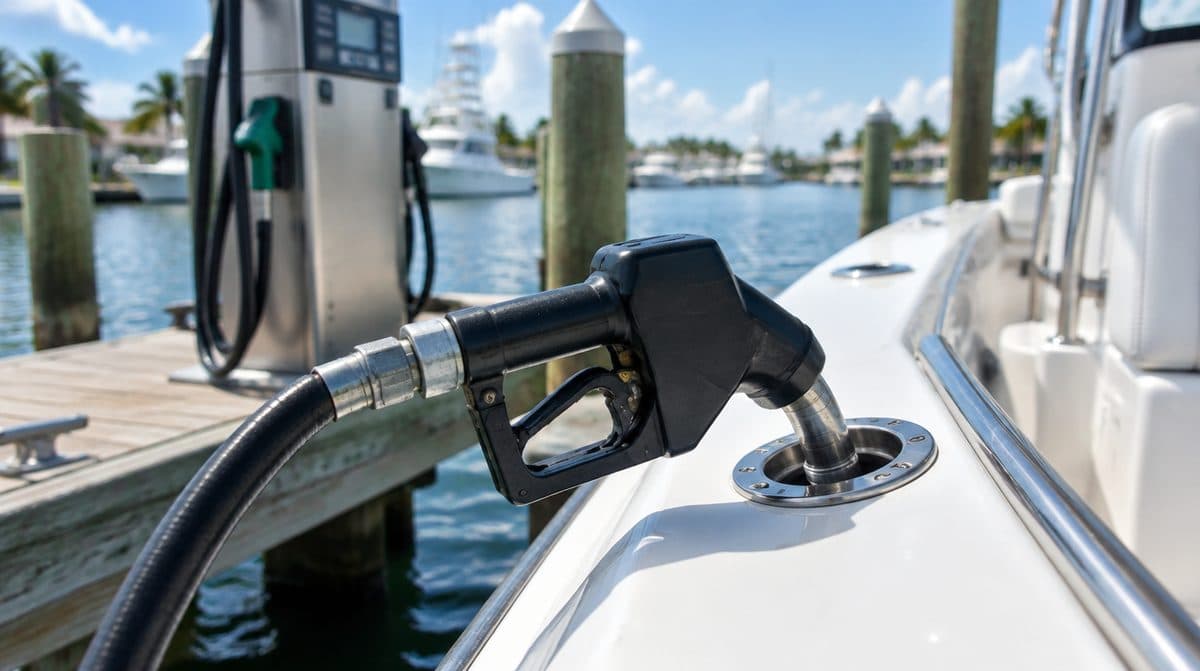
E10 and Your Marine Engine: Phase Separation, Storage, and Stabilizer Habits
Why the same gas your truck burns happily can wreck a boat engine: what E10 does in a vented marine tank, how phase separation works, and the habits that prevent it.
Read more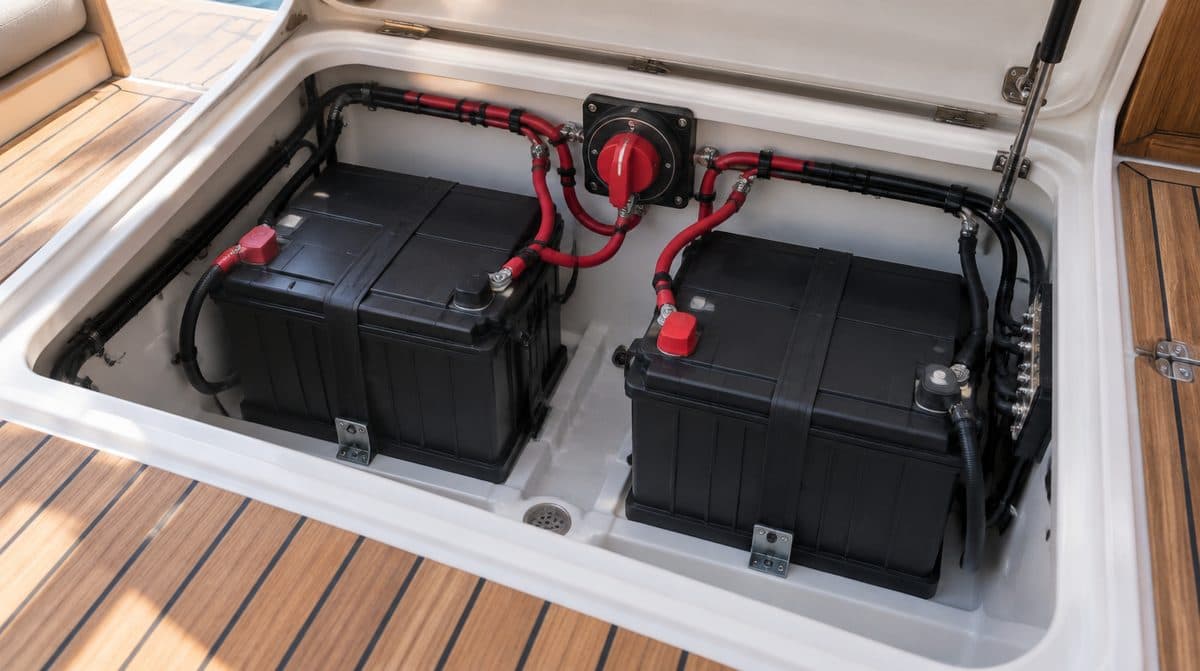 Ownership
September 25, 2026
Marine Batteries, Explained: Starting vs Deep Cycle, and Why Boats Eat Them
Starting, deep cycle, or dual purpose; flooded, AGM, or lithium. A plain-words guide to picking marine batteries and keeping them alive in Florida heat.
Read more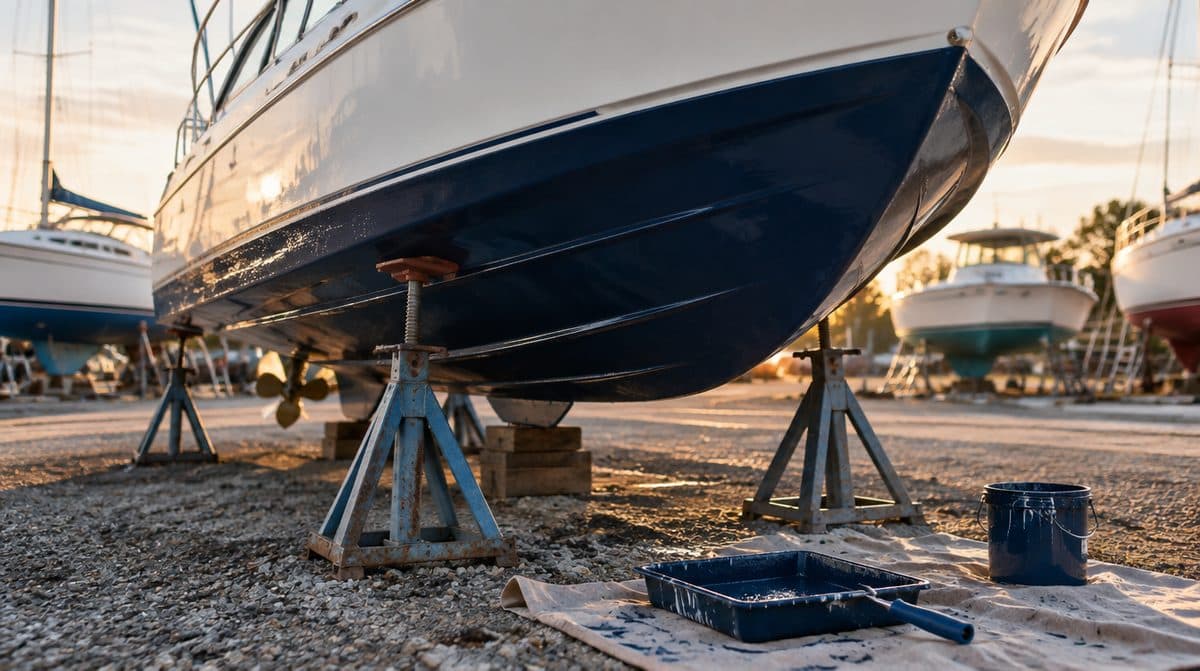 Ownership
September 24, 2026
Bottom Paint in Florida Water: Ablative vs Hard, and When to Start Over
How ablative and hard antifouling paints actually work, what Florida water does to both, when a bottom needs stripping and barrier coat, and why your diver's report is gold.
Read more