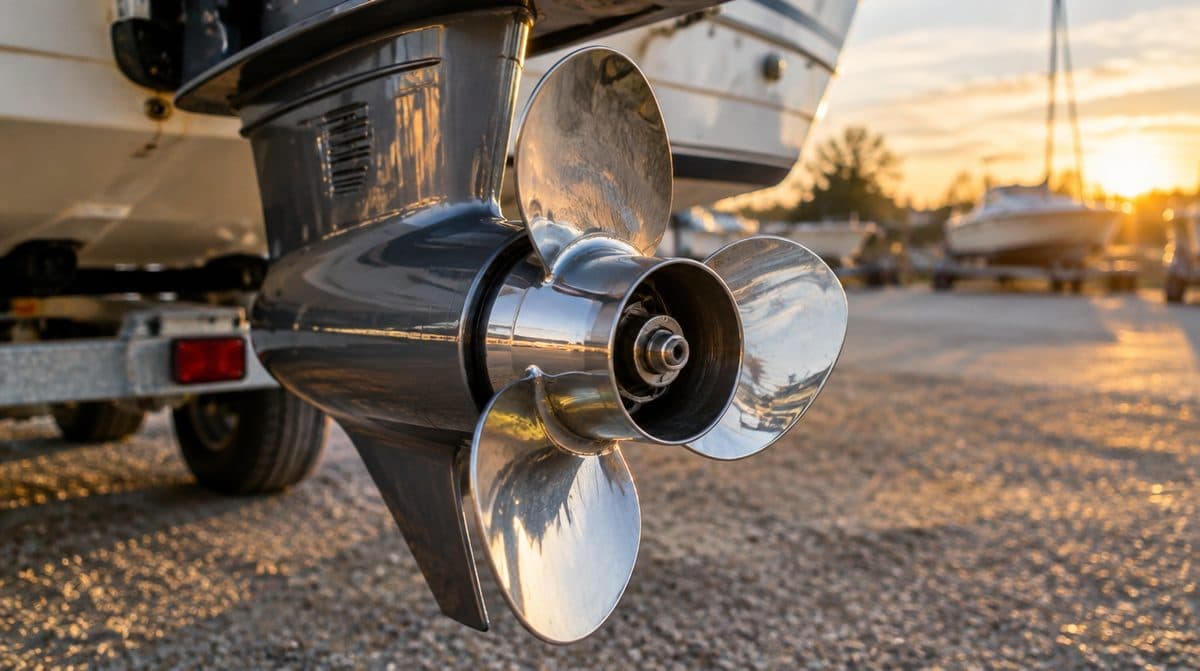
Propellers in Plain Words: Pitch, Diameter, and What a Dinged Blade Costs You
What prop pitch and diameter actually mean, what a sandbar ding does to performance and your gearcase, aluminum vs stainless, and when to repair instead of replace.
Your propeller is the only part of the boat that actually pushes water, and it is also the part most likely to meet a Florida sandbar. Most owners run dinged props for months without realizing what it is quietly costing them, so here is the whole subject in plain words.
Pitch and diameter without the math
Every prop is described by two numbers, diameter and pitch, usually stamped right on the hub. Diameter is simply how big the circle of the spinning blades is. Pitch is the distance, in inches, the prop would screw itself forward through the water in one revolution if nothing slipped, like a wood screw through a plank. Think of pitch as gearing on a bicycle. Lower pitch is an easier gear: the engine revs up quickly, the boat jumps on plane with a heavy load, but top speed suffers. Higher pitch is a taller gear: better top end, but the engine labors below its happy operating range, which engines hate. The right prop lets your engine reach the top of its rated RPM range at wide open throttle with your normal load. If it cannot get there, the prop is too tall. If it blows past, too short.
What a ding actually does
A bent or chipped blade changes the shape of a precision foil, and the water notices immediately. The prop loses bite, so you give up RPM, speed, and fuel efficiency against the same throttle. Worse, a damaged blade is an unbalanced blade, and an unbalanced prop spinning thousands of times a minute hammers vibration into places built for smooth rotation: the gearcase bearings and the prop shaft seals. That is how a cosmetic ding graduates into water in the gear oil and a four-figure lower-unit job. If the boat buzzes through the wheel or the deck after a grounding, stop running it and get the prop looked at. While you are back there, check the shaft for fishing line wrapped behind the prop, which slices seals just as effectively.
Aluminum vs stainless
Aluminum props are the sensible default: inexpensive, light, and sacrificial, in that they give up their blades to protect your gearcase when you find the bottom. Stainless props are stiffer, so thinner blades hold their shape under load, which translates to better grip, better holeshot, and better top speed, and they shrug off contact that would fold an aluminum blade. The honest tradeoffs: stainless costs several times more, and because it flexes less in a hard strike, more of the hit can pass into the drivetrain. For boats that run skinny water, a repaired aluminum prop is cheap insurance. For performance and offshore boats, stainless earns its keep every trip.
Repair or replace
Prop shops can work small miracles. Bent blades get trued, chips get welded and reshaped, and a reconditioned prop runs essentially like new for a fraction of replacement cost, which is especially worthwhile on stainless. Replacement makes sense when an aluminum prop has lost real blade area, when cracks reach the hub, or when the repair quote crowds the price of new. Either way, do what delivery captains do: carry a spare prop, a prop wrench, and the right hardware aboard, because a sandbar meeting at 9 am should not end the day.
If the vibration showed up after a grounding, have a verified marine mechanic check the prop, shaft, and gear oil together, and if you are stuck with a chewed-up wheel before a weekend, post it at nautical.network/help and let the right shop come to you.
More from the Wire
 Ownership
September 27, 2026
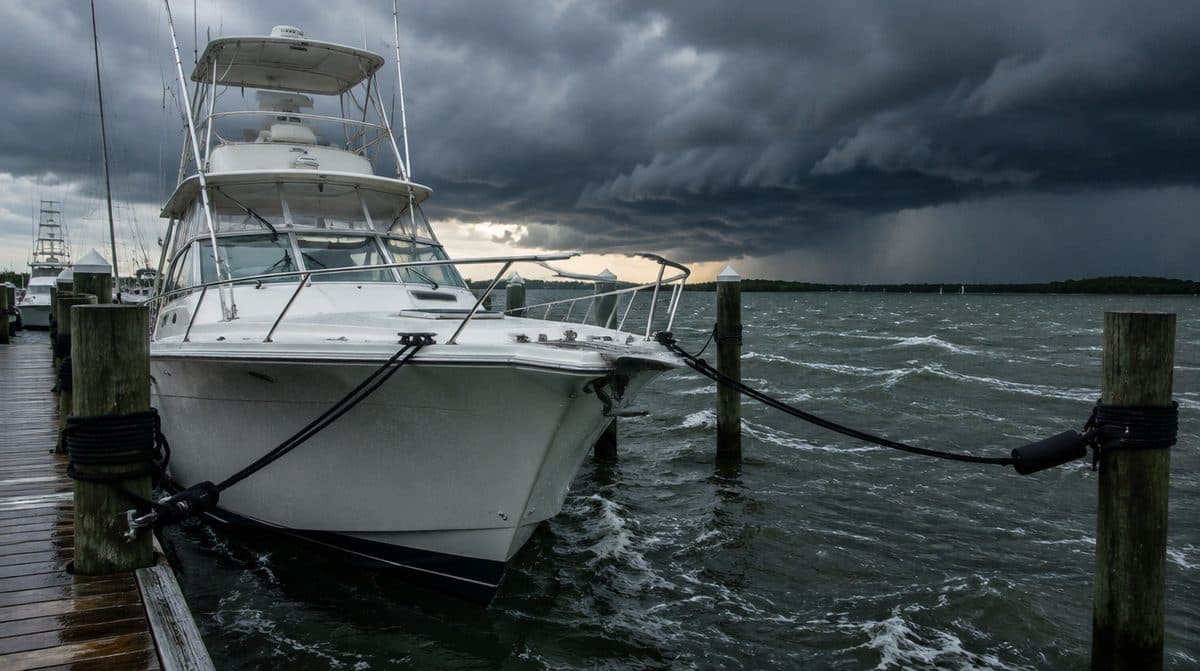
Hurricane Prep for Boat Owners: Write the Plan Before the Cone Shows Up
Haul or stay, doubled lines, stripped canvas, and the insurance fine print: the hurricane decisions Florida boat owners should make in May, not at the storm briefing.
Read more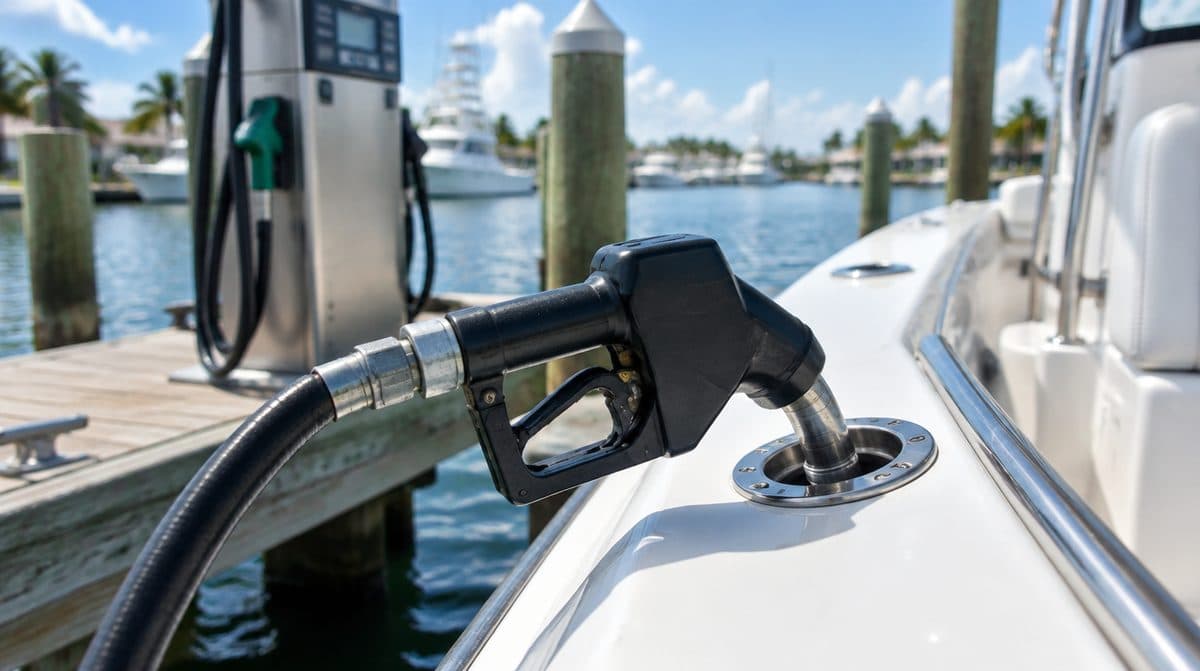 Ownership
September 26, 2026
E10 and Your Marine Engine: Phase Separation, Storage, and Stabilizer Habits
Why the same gas your truck burns happily can wreck a boat engine: what E10 does in a vented marine tank, how phase separation works, and the habits that prevent it.
Read more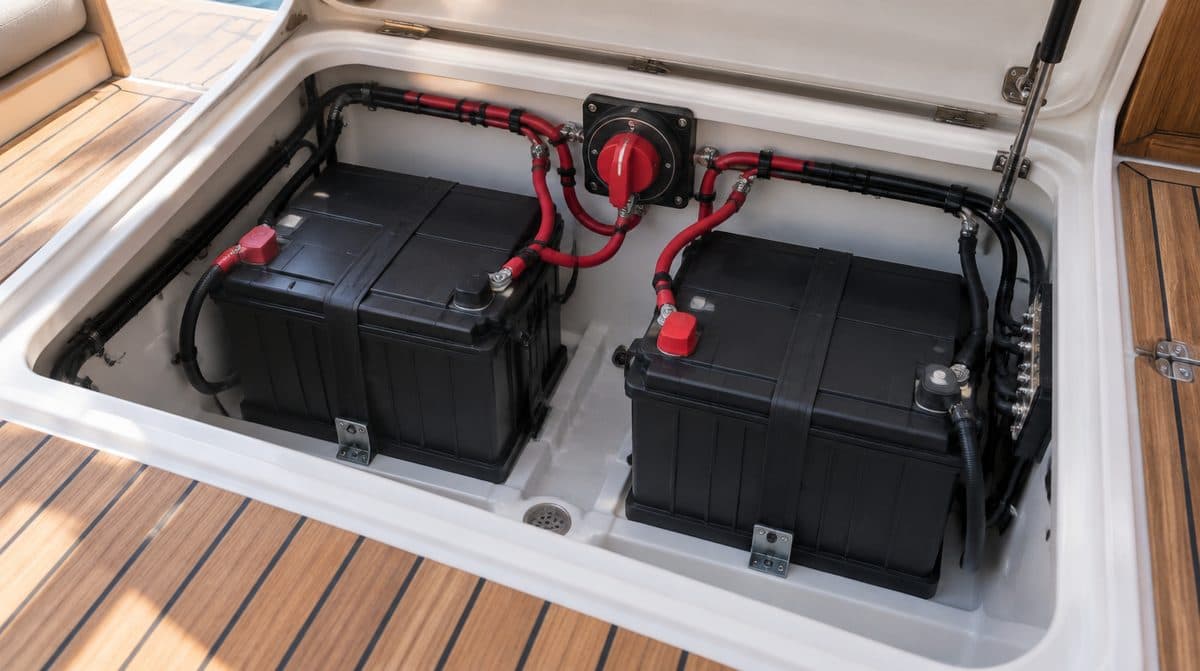 Ownership
September 25, 2026
Marine Batteries, Explained: Starting vs Deep Cycle, and Why Boats Eat Them
Starting, deep cycle, or dual purpose; flooded, AGM, or lithium. A plain-words guide to picking marine batteries and keeping them alive in Florida heat.
Read more