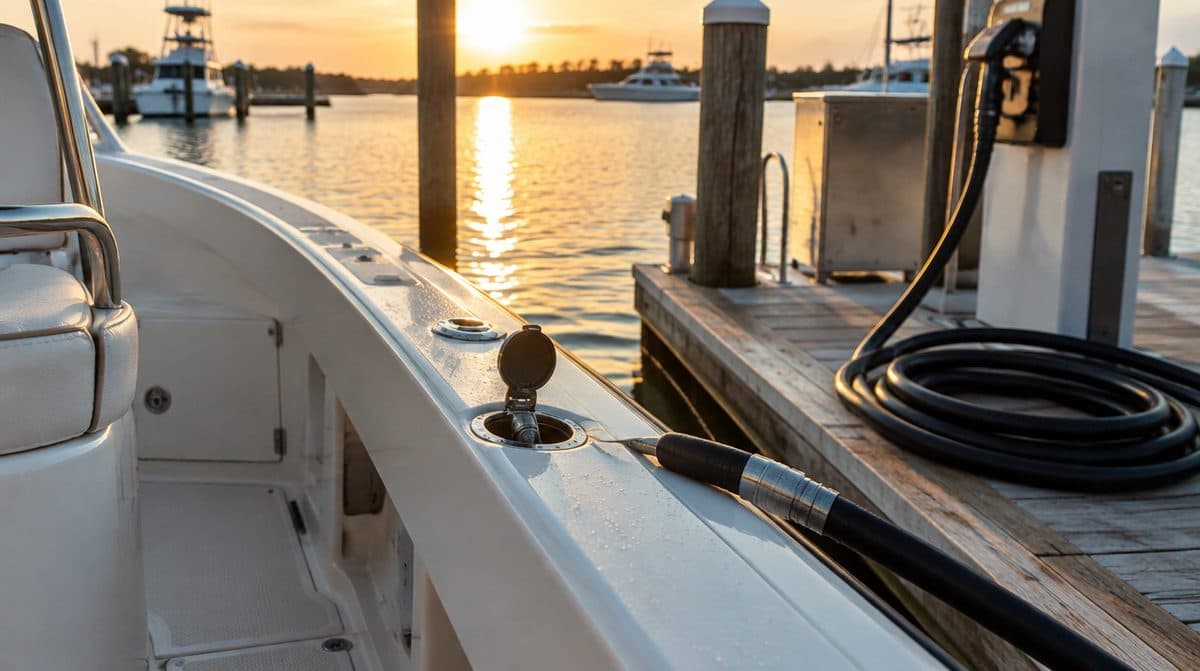
Fuel Additives: Protecting Fuel That Sits Between Trips
Ethanol, water, and fuel that sits between trips: which additives actually protect your engine, and the habits that make them work.
Boat fuel has a hard life. It sits for weeks, picks up moisture, and usually contains ethanol. The right additive keeps it from turning into engine trouble. Your car burns through a tank before the fuel has time to misbehave. Your boat's tank might hold the same load of gas from Labor Day until spring, breathing humid marina air through its vent the entire time. Additives exist because of that gap, and the trick is knowing which bottle solves which problem.
Why boat fuel goes bad Three things are working against the fuel in your tank. First, time. Gasoline is a blend of light compounds that evaporate and heavier ones that slowly oxidize into gum and varnish, the sticky residue that clogs carburetor jets and injectors. Second, water. A boat tank vents to open, humid air, and condensation forms on the tank walls every time the temperature swings. Third, ethanol. Ethanol-blended gas absorbs water out of the air, and it can only hold so much. Past that point the fuel undergoes phase separation: the water and ethanol fall out of the gasoline and settle to the bottom of the tank as a corrosive layer, sitting exactly where your fuel pickup lives. An engine that swallows that layer stops, and no additive can put separated fuel back together.
Match the additive to the problem - Stabilizer: for fuel that sits (off-season, long gaps). Keeps fuel fresh and prevents gum. - Ethanol treatment: for ethanol-blended gas, fights phase separation and corrosion. - Water remover: disperses small amounts of water. - Injector/system cleaner: keeps injectors and valves clean.
Think of these as four different tools, even though many products on the shelf combine two or three of them. A stabilizer slows the oxidation that turns fuel into varnish, which is why it is the one bottle every boat that sits between trips should know well. Ethanol treatments target the water-attracting behavior of blended gas and help protect fuel system parts from the corrosion ethanol encourages. Water removers disperse small amounts of moisture into droplets fine enough to pass through and burn harmlessly, a maintenance measure, not a cure for a tank with real water in it. Cleaners dissolve the deposits that build up on injectors and valves over time, restoring smooth idle and crisp throttle response. Read the label and know what you are buying: a cleaner does not stabilize, and a stabilizer does not remove water.
Gas vs. diesel Use the additive formulated for your fuel. Diesel has its own treatments for algae/microbe growth and cold flow.
Diesel's signature problem is biological. Microbes live in the water layer at the bottom of a diesel tank and feed on the fuel above it, producing a dark sludge that boaters call the diesel bug. Left alone, it clogs filters at the worst possible moment, usually in rough water when the tank gets stirred up. Diesel biocides and treatments attack the growth, while cold flow improvers keep diesel from gelling in cold weather. None of that chemistry applies to gasoline, and gas treatments do nothing for the bug, so match the bottle to the fuel. If you run both a gas outboard and a diesel generator, keep the additives clearly separated and labeled.
Use consistently Additives work best used every fill or per the label, not as a one-time fix after a problem starts.
The reason is simple: almost everything an additive does is preventive. Stabilizer keeps fresh fuel fresh; it cannot restore fuel that has already turned. Ethanol treatment protects fuel before it absorbs water, not after separation. Even cleaners work best in steady, modest doses rather than one heroic bottle dumped into a neglected tank, which can loosen years of deposits all at once and send them straight to your filters. Measure honestly too. Dosing is based on tank volume, and more is not better. Overdosing wastes money at best and can affect how the fuel burns at worst. Follow the label like a recipe.
What additives cannot fix Be realistic about the limits. No bottle will rejoin phase-separated fuel, dissolve a tank full of varnish, or clean a carburetor that is already gummed solid. If the engine surges, stalls, or will not idle after a long sit, the fix is usually mechanical: drain the bad fuel, change the filters, clean or rebuild the carb, then start fresh with treated fuel. If that is beyond the tools aboard, have a verified marine mechanic near you sort it out, then let additives do what they are good at, which is keeping the problem from coming back.
Storage habits that help Additives work better alongside good habits. Buy fuel from busy docks where turnover keeps the supply fresh. Before a long layup, treat the fuel, then run the engine long enough to pull treated fuel through the lines, pump, and injectors or carb. Keep the tank mostly full over the off-season to reduce the air space where condensation forms, and make sure the vent and fill cap seal properly. A water-separating fuel filter is the additive's teammate: it catches what chemistry cannot, so change it on schedule and check the bowl for water now and then.
Mistakes to avoid - Waiting until the engine runs rough to start treating fuel. - Using an automotive stabilizer and assuming it handles marine ethanol problems. Buy marine-formulated products. - Pouring in a double dose to make up for missed treatments. - Treating the tank but never running the engine, which leaves untreated fuel in the lines and carb where the damage happens first. - Ignoring the water-separating filter. Additives and filtration are a team.
From the Water Add stabilizer at the fuel dock, then run the engine a few minutes. That pushes treated fuel through the whole system, not just the tank. The fuel sitting in the carburetor bowl or injector rails is the fuel that gums first, so those few minutes of running are the difference between protecting the tank and protecting the engine.
Where to Get It Everything in this guide is stocked at Boat Supplies Direct, the Nautical Network marine parts store.
In stock as this guide goes up: - Star brite Star Tron enzyme fuel treatment, 16 oz - Star brite Star Tron diesel enzyme fuel treatment, 16 oz - Star brite Star Tron gasoline additive, 8 oz
Browse the full range: - Shop fuel treatments - Read the full buying guide, including FAQs
More from the Wire
 Buying Guides
October 18, 2026
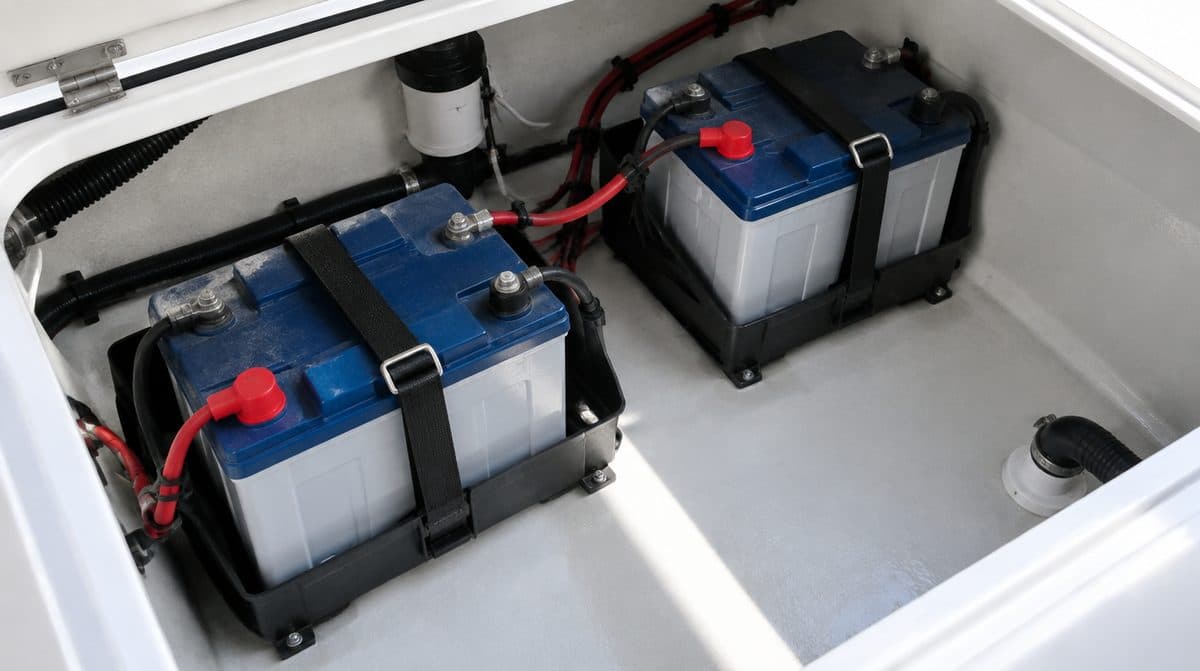
Starting vs. Deep Cycle: The Battery Mistake That Strands Boaters
Starting, deep cycle, or dual purpose, and flooded, AGM, or lithium. How to pick the battery type that will not leave you stranded.
Read more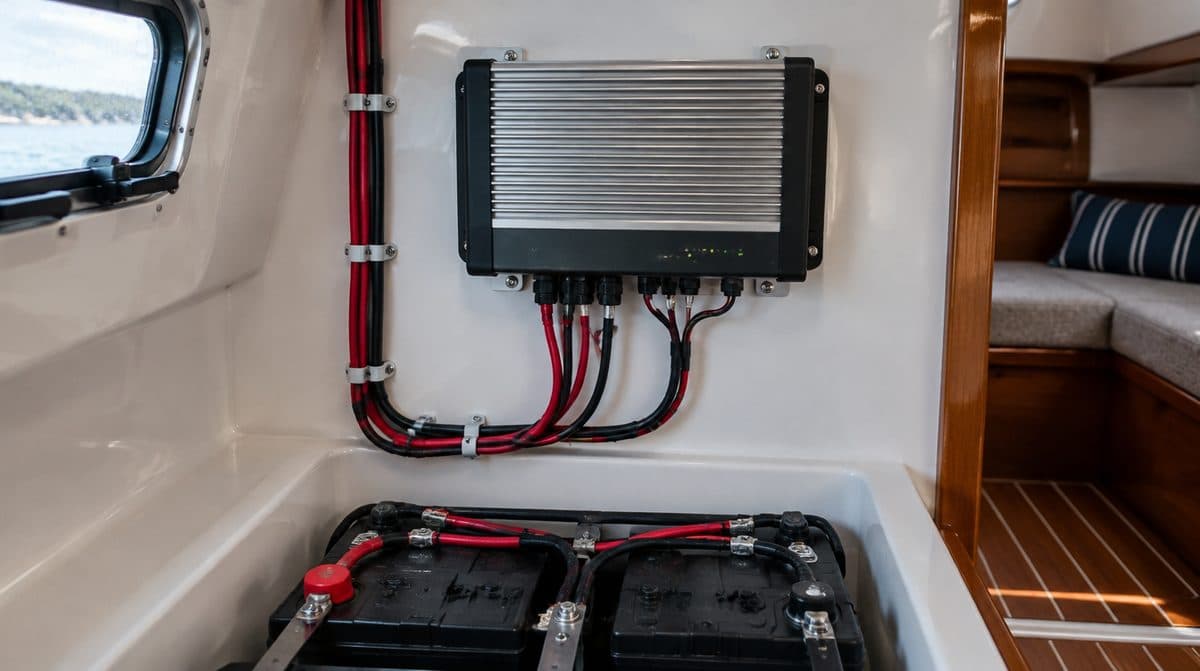 Buying Guides
October 18, 2026
The Onboard Charger: Cheap Insurance for Expensive Batteries
Batteries die young when they sit half-charged. How to size an onboard charger by amps, banks, and chemistry.
Read more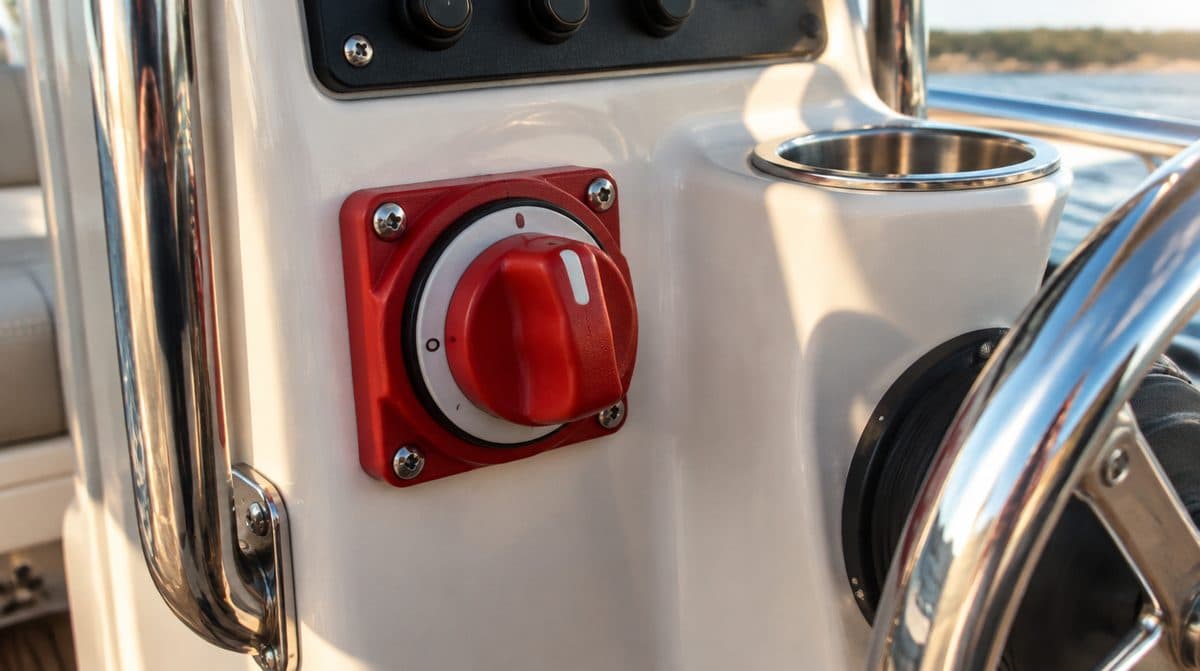 Buying Guides
October 18, 2026
Battery Switches and Isolators: Never Get Stranded by a Dead Battery
The switch and isolator setup that keeps your starting battery ready while the house bank runs your gear.
Read more