The Florida Boat Maintenance Calendar: A Year-Round Rhythm That Works
Florida boats run all twelve months, so maintenance has to run on a rhythm, not a season. The monthly beat, the engine-hours clock, and what belongs in spring, summer, and the quiet months.
Northern boats get a maintenance season: haul in fall, recommission in spring. Florida boats get no such punctuation. The FWC likes to say Florida's boating season never really ends, and the maintenance calendar has to match. The good news is that a year-round boat does fine on a simple rhythm: a monthly beat, an hours clock, and a few seasonal passes.
The monthly beat: bottom and zincs
In Florida's warm salt water, growth is the metronome. No standards body publishes an official interval, but most hull-cleaning services and experienced owners here work on a roughly monthly cycle, tightening toward every three weeks at the summer peak, because stretching to two or three months lets soft slime become hard barnacle, and removing barnacle means scraping, and scraping eats bottom paint.
The diver's visit is also the zinc check. Builder guidance is consistent: inspect anodes regularly and replace them once they are about half consumed, since a mostly eaten zinc no longer protects the running gear. And if your zincs are vanishing unusually fast, treat it as a warning light for a stray-current electrical problem, not a reason to buy zincs in bulk.
The hours clock: engine service
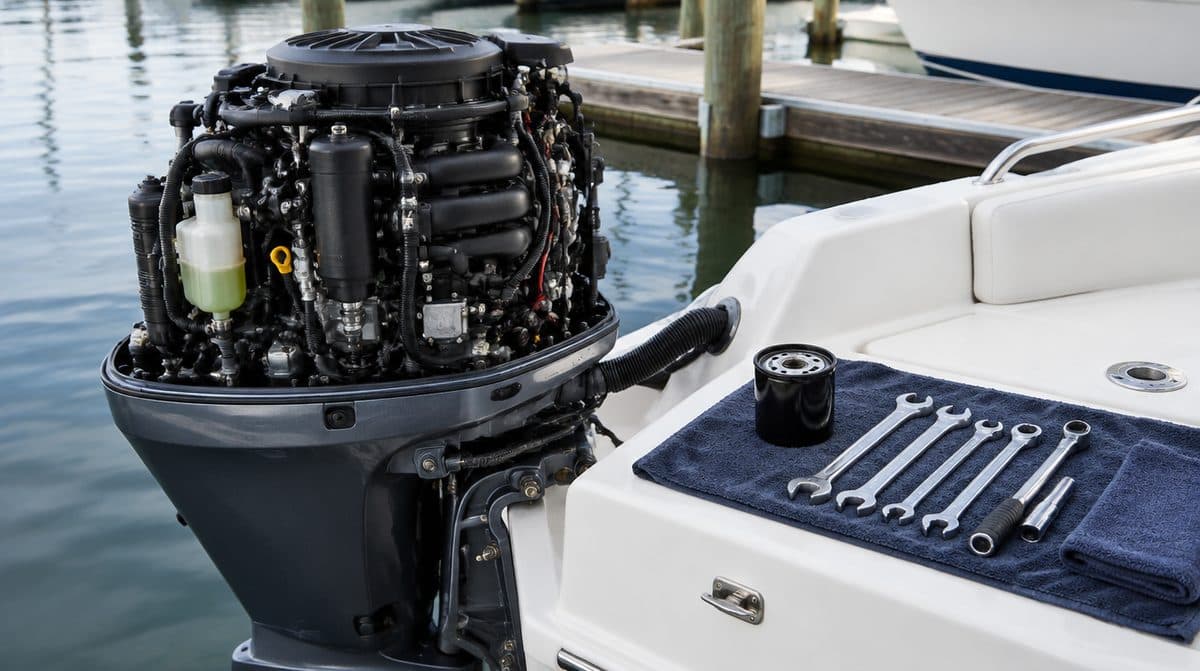
Engines do not care what month it is. Most outboard manufacturers call for a full service every 100 hours or once a year, whichever comes first, and a Florida boat that runs year-round can hit 100 hours well before the anniversary. So track hours, not months: log them, and book the service when the clock says so. Between services, the owner-level habits carry the load, including a freshwater flush after every saltwater run and an honest look at the water pump tell-tale, fuel filters, and prop. When the clock comes due, Waypoint's mechanical listings cover engine shops and mobile techs across the state.
Spring into summer: sun and storm prep
Two things arrive together in a Florida summer: the hardest sun of the year and hurricane season, which runs June 1 through November 30. Late spring is therefore the natural window for the protective work. Get the wax or ceramic refreshed before the UV peak, so the gelcoat faces summer protected rather than bare. Walk the canvas and enclosure while there is still lead time at the shop, because a seam that is merely tired in April is a failure in an August squall. And write the hurricane plan now: where the boat goes, who moves it, what comes off the deck. A plan made in May is a plan; a plan made when a storm is named is a scramble.
Fall and winter: the catch-up window
Once the season's heat breaks, Florida gives you the closest thing it has to an off-season, and it is the smart window for everything with a lead time. Haul-outs and bottom paint, fiberglass and gelcoat repair, electronics upgrades, upholstery, the detail that goes below the rub rail: all of it books easier and finishes faster in the quieter months. The owners who use November well are the ones not waiting on a yard in March.
None of this is complicated. It is a monthly diver, an hours log, a spring protection pass, and a fall project window. Put your own version on paper, then line up the people for each line of it at nautical.network/directory, where you can save your picks to one plan and email it to yourself. The calendar only works if the boat is on it.
More from the Wire
 Ownership
September 27, 2026
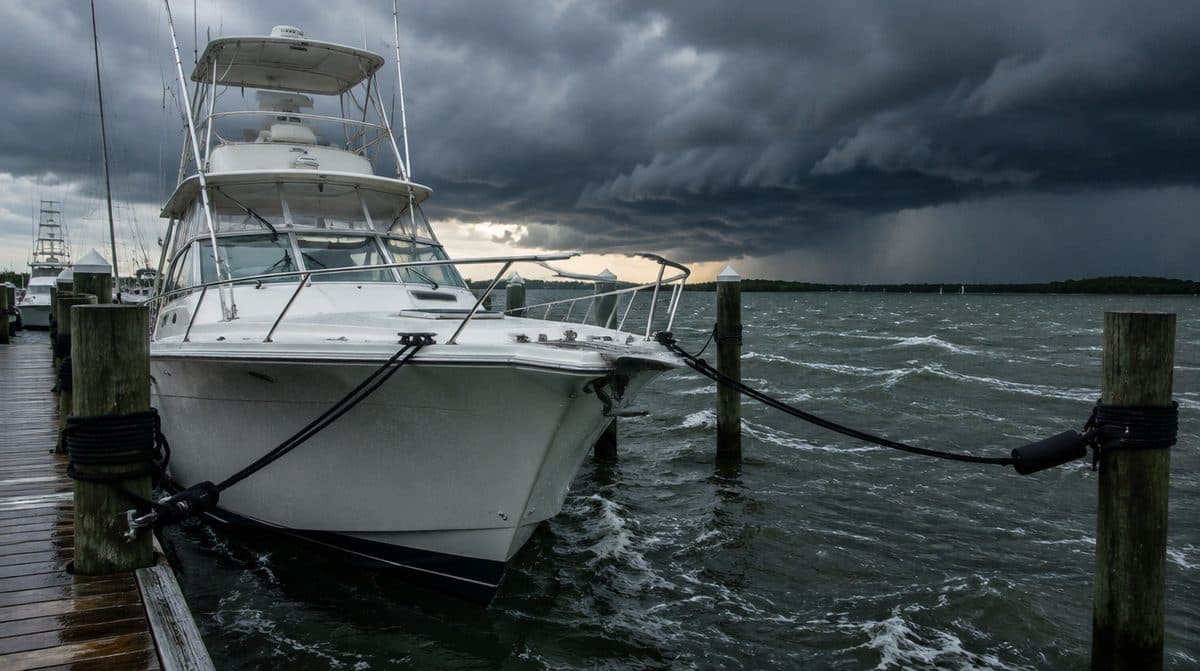
Hurricane Prep for Boat Owners: Write the Plan Before the Cone Shows Up
Haul or stay, doubled lines, stripped canvas, and the insurance fine print: the hurricane decisions Florida boat owners should make in May, not at the storm briefing.
Read more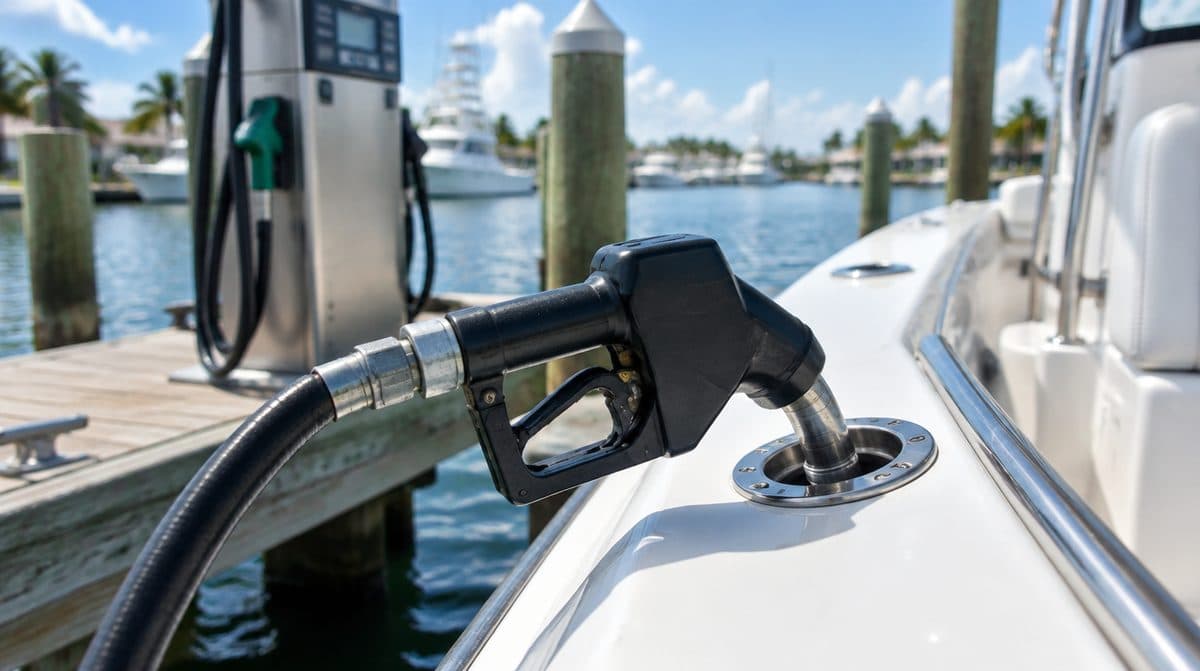 Ownership
September 26, 2026
E10 and Your Marine Engine: Phase Separation, Storage, and Stabilizer Habits
Why the same gas your truck burns happily can wreck a boat engine: what E10 does in a vented marine tank, how phase separation works, and the habits that prevent it.
Read more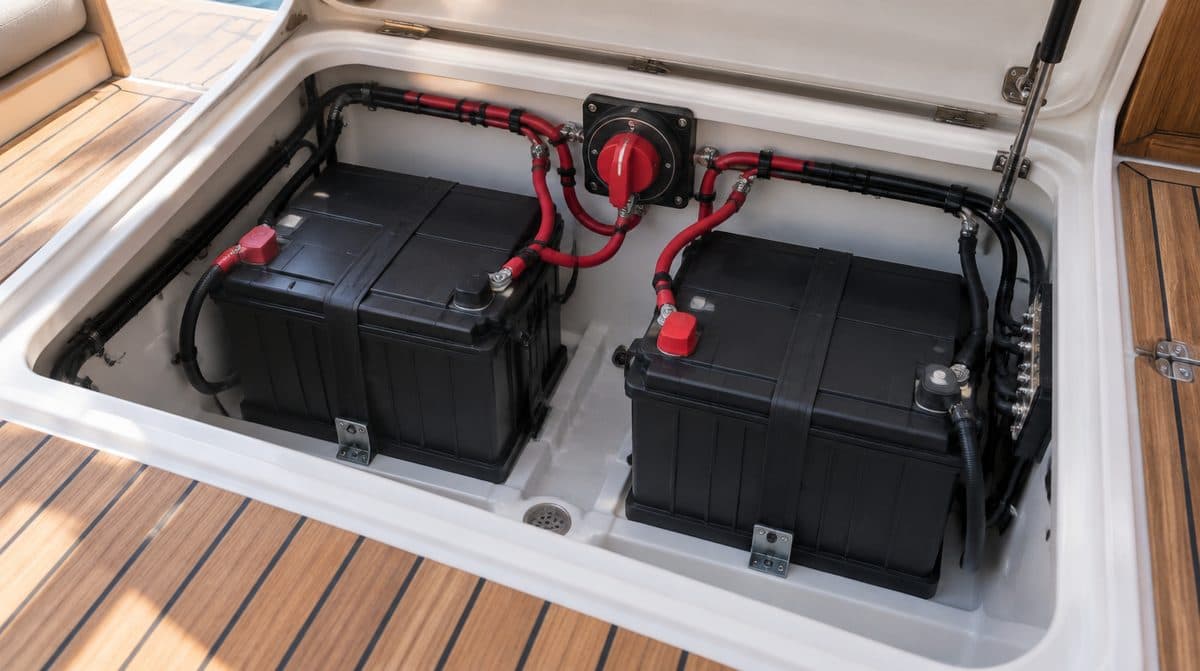 Ownership
September 25, 2026
Marine Batteries, Explained: Starting vs Deep Cycle, and Why Boats Eat Them
Starting, deep cycle, or dual purpose; flooded, AGM, or lithium. A plain-words guide to picking marine batteries and keeping them alive in Florida heat.
Read more