Buying a Boat Up North in the Fall: The End-of-Season Buyer's Window
Why the weeks when the covers go on are a buyer's window in the North, what dealer data says about end-of-season discounting, and the sea trial catch to handle before winterization.
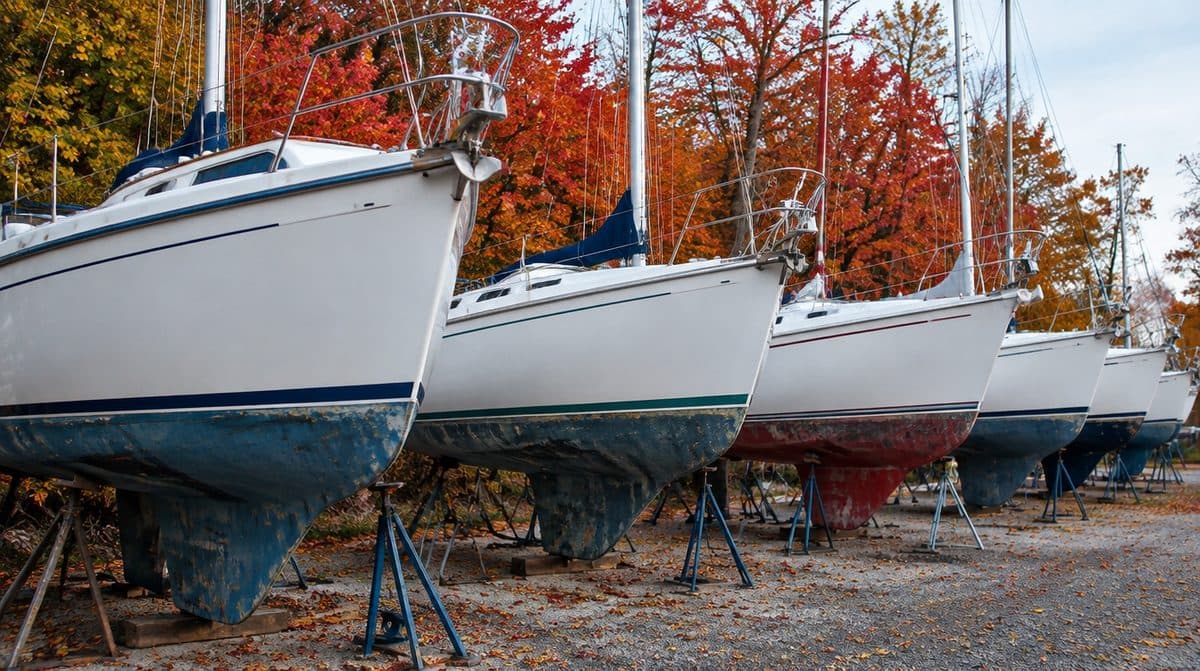
There is a moment every fall in the Northeast when the math changes. The air turns, the yard sends the winter storage contract, and every owner who spent the summer quietly thinking about selling has to decide whether to pay for another winter of a boat they are done with. The week that invoice lands is one of the best weeks of the year to be a buyer, and it happens from the Chesapeake to Maine like clockwork.
Why fall favors the buyer up north
The logic is simple and human. A boat bought up north in October cannot be used until May, so a northern seller is asking you to take on months of carrying cost with zero boating in return, and sellers know it. Meanwhile their own costs are stacking: haul-out, winterization, shrink wrap, storage, insurance, all for a boat they have already decided to move. The owners who list in September and October are rarely testing the market. They are finishing something, and that motivation shows up in the negotiation in a way it simply does not in April. Dealers feel a version of the same squeeze as trade-ins arrive and lot space tightens ahead of boat show season.
What the dealer data says
This is not just dock wisdom. In the August 2026 Pulse Report from Soundings Trade Only, Baird, and the Marine Retailers Association of the Americas, 56 percent of the 126 dealers surveyed reported retail declines against 22 percent reporting growth, 65 percent said new-boat inventory was too high, and dealers widely reported end-of-season discounting, with one describing an outright liquidation sale on leftover new boats. A market where most dealers say they are overstocked heading into winter is a market where a prepared fall buyer gets taken seriously, on new leftovers and on the trade-ins behind them.
The catch: sea trial before the boat goes to sleep
The fall window comes with one real complication. Once a boat is winterized you cannot properly run it, and once it is hauled and wrapped, even a surveyor is working with one hand tied. So the order of operations matters more than the price. If the boat is still in the water, move fast enough to sea trial and survey before haul-out, and make the deal contingent on both. If it is already winterized, your honest options are paying to recommission it for a trial, a spring sea trial contingency with money in escrow, or pricing the unknown into the offer with eyes open. A hull survey still works on the hard, but engines tell their story running, under load, at temperature. Line up a marine surveyor before you fall in love.
The logistics are negotiable too
A fall purchase up north comes with built-in bargaining chips. Winter storage is often prepaid or negotiable as part of the sale, and leaving the boat in the seller's yard until spring can suit everyone. If the boat is heading south instead, start the transport conversation now, not in April: the transport and delivery pros on Waypoint handle over-the-road hauls and on-the-water deliveries, and our guide to hiring a captain for the southbound run covers the crewed option.
Waypoint's coverage runs from South Padre to Montauk and the Chesapeake, with the Great Lakes coming, every listing checked against the business's own website. Shop while the boats are still splashed, let the seller's carrying costs frame the offer, get every contingency in writing, and spend the winter lining up the spring work. The cover goes on in November either way. It might as well go on your boat.
More from the Wire
 Buying & Selling
September 15, 2026
The Used Boat Buying Checklist: From First Look to Closing
A step-by-step checklist for buying a used boat: what to inspect at the dock, which records to demand, when to bring in a surveyor, and the paperwork that protects you at closing.
Read more Buying & Selling
September 14, 2026
The Sea Trial: What to Test Before You Buy a Boat
A sea trial is your one chance to catch problems a dockside inspection never will. Here is what to test under way, who belongs aboard, and the red flags that should end the deal.
Read more Buying & Selling
September 13, 2026
How Boat Depreciation Works, and What Actually Holds Value
New boats lose value fastest in the first years, then the curve flattens. What drives the curve, what holds value, and how to buy and own so depreciation works for you.
Read more