The Used Boat Buying Checklist: From First Look to Closing
A step-by-step checklist for buying a used boat: what to inspect at the dock, which records to demand, when to bring in a surveyor, and the paperwork that protects you at closing.
Buying a used boat is one of the best deals on the water, and one of the easiest places to buy someone else's problems. The difference is almost never luck. It is a checklist, worked in order, with the discipline to walk away when the boat fails a step.
Step one: the first look
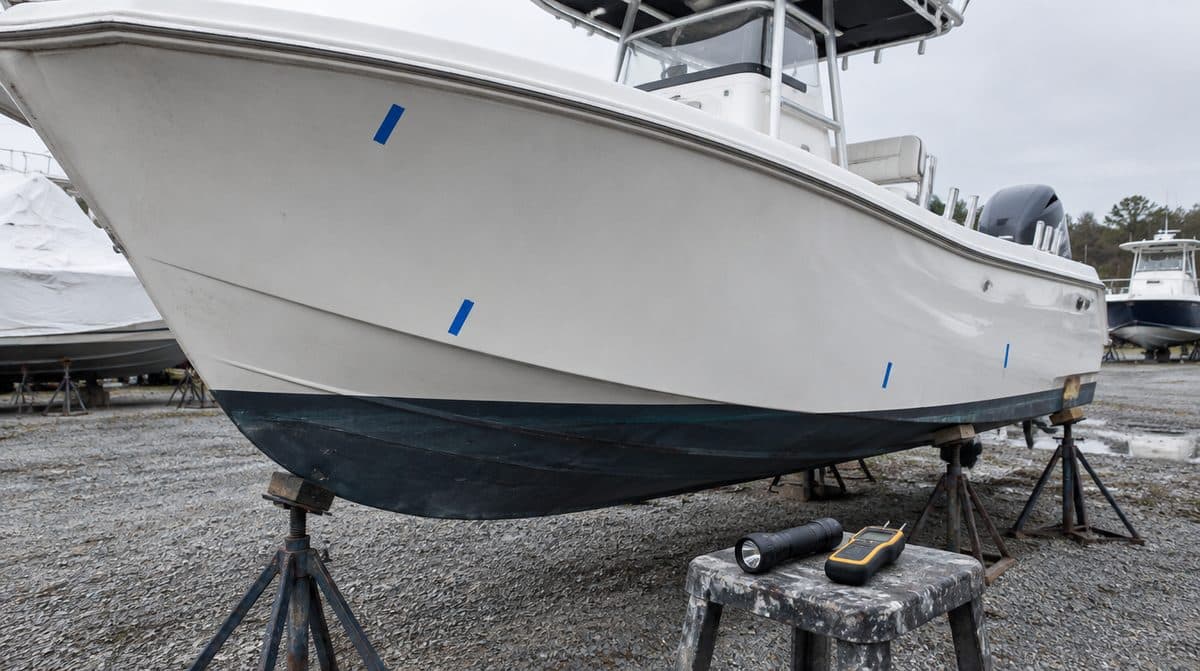
Before you fall in love, walk the boat like an inspector. On the hull, look for gelcoat crazing around cleats and corners, mismatched paint that hints at repair, and any soft feel underfoot on deck or transom. Open every hatch. A dry, tidy bilge tells you how the boat was kept on the days nobody was watching. Smell matters too: mildew and fuel odors are both conversations you want to have before the price discussion, not after.
Step two: the engine and the hours
Ask for the engine hours up front, then ask how those hours were spent. A well-maintained outboard with higher hours often beats a low-hour engine that sat for years, because sitting is its own kind of wear. Check the oil and gear lube, look for corrosion under the cowling, and ask when the water pump, thermostats, and fuel filters were last done. If the seller does not know, that is an answer too.
Step three: the records
Maintenance records are the single most underrated item on this list. A folder of receipts from a real mechanic tells you the owner fixed things when they broke and serviced things before they did. No records does not automatically mean a bad boat, but it means every claim about the boat's care is just a story. Price accordingly.
Step four: survey and sea trial
On any boat with real money involved, hire your own accredited surveyor, never one suggested by the seller. We wrote a full breakdown of what surveys cost and what they catch in the survey guide, and the short version is that a few hundred dollars here routinely saves five figures. Pair the survey with a proper sea trial: cold start, time to plane, hard turns both directions, and every system run under way. You can find accredited surveyors across Florida on Waypoint.
Step five: the paperwork
Before money moves, verify the title is clean and actually in the seller's name, and check for liens, because a lien follows the boat, not the seller. Match the hull identification number on the transom to the number on the title, and do the same for the engine serial numbers. Get a written bill of sale with the price, the HIN, and both signatures. If there is a loan involved on either side, the payoff happens through the lender, not on a handshake. Running the numbers first helps too, and our boat loan calculator is built for exactly that.
Close like a pro
None of this is about being difficult. Sellers with good boats respect a careful buyer, and the ones who get cagey about records, surveys, or titles are telling you something worth hearing. Work the list, trust the process, and when the right boat passes every step, buy it with confidence. And when it is yours, Waypoint's directory of verified Florida marine pros is where you will find the people who keep it that way.
More from the Wire
 Buying & Selling
September 14, 2026
The Sea Trial: What to Test Before You Buy a Boat
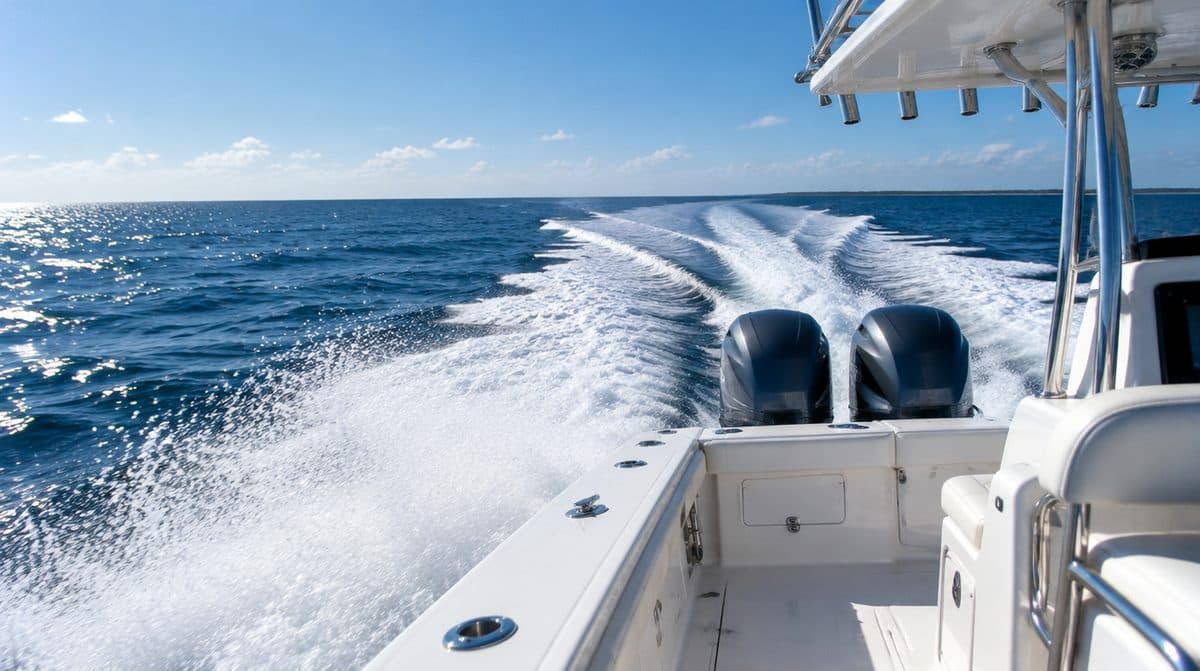
A sea trial is your one chance to catch problems a dockside inspection never will. Here is what to test under way, who belongs aboard, and the red flags that should end the deal.
Read more Buying & Selling
September 13, 2026
How Boat Depreciation Works, and What Actually Holds Value
New boats lose value fastest in the first years, then the curve flattens. What drives the curve, what holds value, and how to buy and own so depreciation works for you.
Read more Buying & Selling
September 12, 2026
When to Buy a Boat: How the Market Moves Through the Year
Boat prices and selection move with the calendar. How boat show season, fall trade-ins, and the spring rush each change the deal you can make, especially in Florida.
Read more