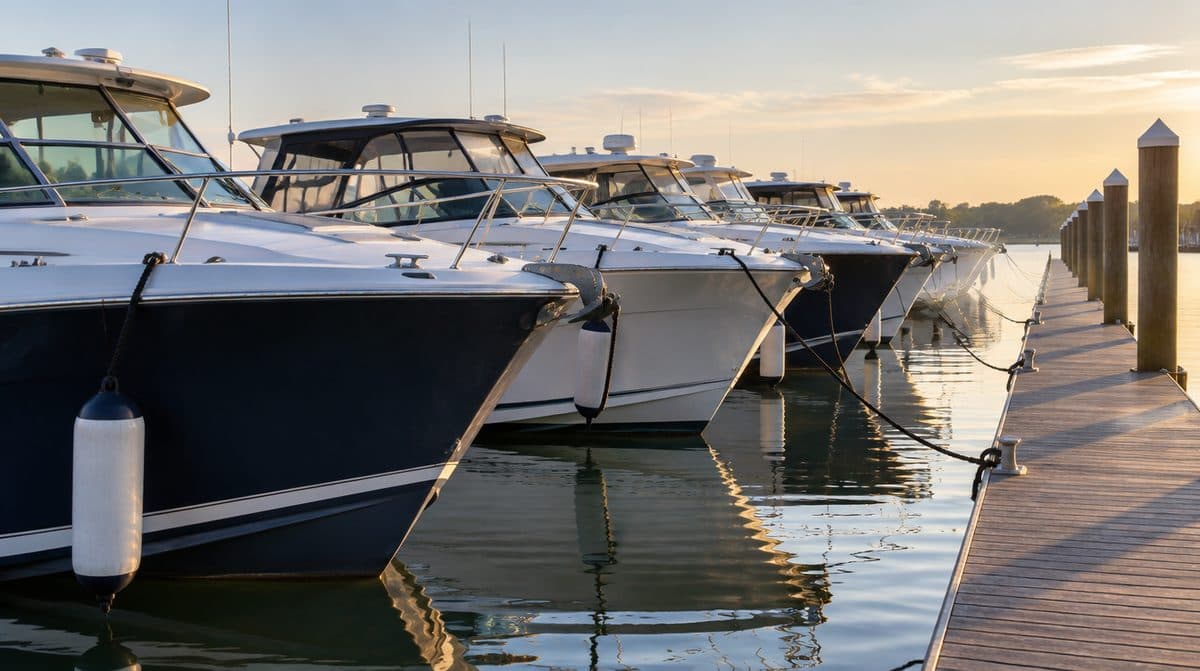
How Boat Depreciation Works, and What Actually Holds Value
New boats lose value fastest in the first years, then the curve flattens. What drives the curve, what holds value, and how to buy and own so depreciation works for you.
Nobody buys a boat as an investment, or at least nobody should. Boats are depreciating assets, and pretending otherwise is how buyers overpay and sellers get insulted by the market. But depreciation is not random. It follows a shape, and once you understand the shape, you can make it work for you on both ends of a deal.
The shape of the curve
A new boat takes its steepest loss early. The moment a boat changes from new to used, it competes against every other used boat instead of against the showroom, and the price adjusts to match. The decline continues through the first several years, then the curve flattens. A well-kept ten-year-old boat and a well-kept thirteen-year-old boat are often separated by far less than their ages suggest, because by then the market is pricing condition, not calendar.
That is the honest general picture. You will see precise percentages quoted all over the internet, and we are deliberately not repeating them, because they vary wildly by boat type, brand, and market, and most of those numbers have no verifiable source behind them. The shape is reliable. The exact numbers rarely are.
What holds value
Three things consistently slow the curve.
- Brand reputation. Builders with strong followings and healthy dealer networks hold value better, because the next buyer is already looking for them.
- Engine hours, in context. Hours matter, but a higher-hour engine with documented service regularly outsells a low-hour engine that sat neglected. Sitting kills boats quietly.
- Maintenance records. A binder of receipts is the single cheapest thing an owner can build, and at resale it functions like a certification. It converts every claim about the boat's care from a story into evidence.
Condition ties it all together. Faded gelcoat, worn upholstery, and corroded fittings each cost more at resale than they would have cost to prevent.
Buying with the curve in mind
For buyers, the flattening curve is the argument for lightly used boats: someone else absorbed the steep early loss, and you get a boat with most of its life ahead of it. It also changes the financing math, since a boat that holds value protects you from owing more than the boat is worth. Run real numbers before you shop with our boat loan calculator.
Owning with the curve in mind
For owners, the play is simple: maintain the boat like you are selling it next year, every year. Keep every receipt. Fix small things while they are small. A commonly cited industry rule of thumb puts annual upkeep at a meaningful share of a boat's value, and the owners who spend it on schedule recover much of it at sale, while the ones who defer it hand the next buyer a discount. Regular service from documented pros is what builds that paper trail, and Waypoint's verified mechanical pros are a good place to start.
Depreciation is the cost of admission to boating. You cannot avoid it, but you can choose which side of the curve you live on.
More from the Wire
 Buying & Selling
September 15, 2026
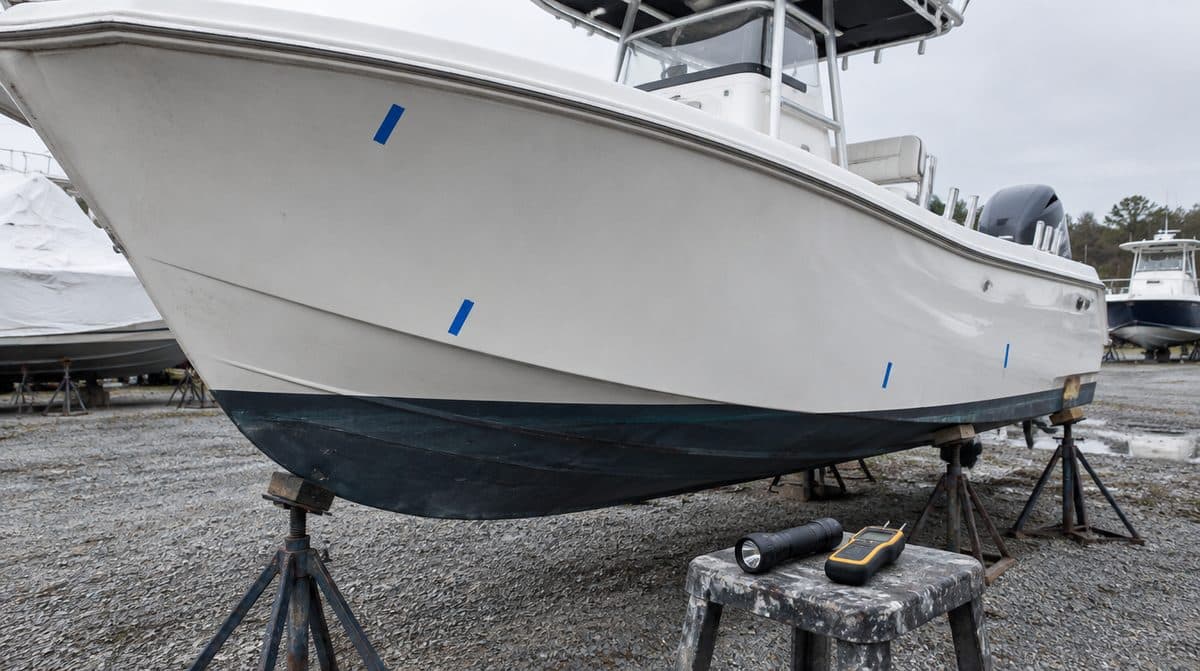
The Used Boat Buying Checklist: From First Look to Closing
A step-by-step checklist for buying a used boat: what to inspect at the dock, which records to demand, when to bring in a surveyor, and the paperwork that protects you at closing.
Read more Buying & Selling
September 14, 2026
The Sea Trial: What to Test Before You Buy a Boat
A sea trial is your one chance to catch problems a dockside inspection never will. Here is what to test under way, who belongs aboard, and the red flags that should end the deal.
Read more Buying & Selling
September 12, 2026
When to Buy a Boat: How the Market Moves Through the Year
Boat prices and selection move with the calendar. How boat show season, fall trade-ins, and the spring rush each change the deal you can make, especially in Florida.
Read more