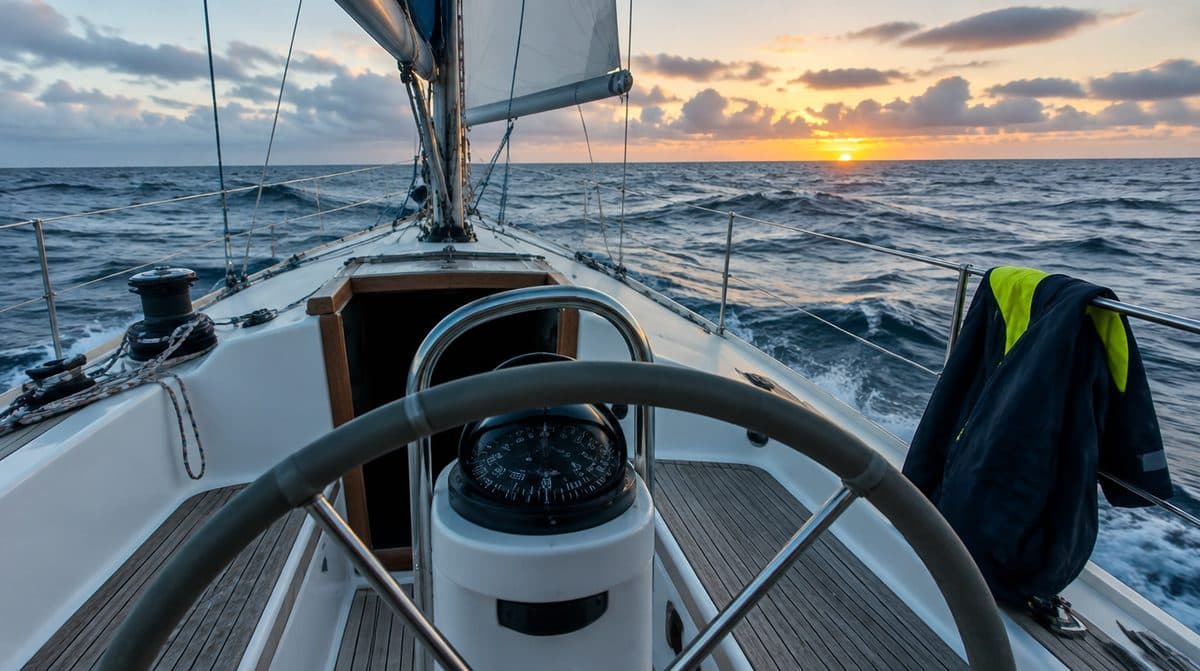
Hiring a Captain for the Southbound Run: Getting Your Boat to Florida
Why October and November are crunch season for delivery captains, how the southbound run works, what drives delivery cost, and what to have ready before the lines come off.
Every October, a fleet's worth of boats points south. Snowbird owners from New England, the Chesapeake, and the Mid-Atlantic want their boats in Florida for the winter, insurance geography and closing marinas set the calendar, and a limited pool of delivery captains gets booked for the same six-week window all at once. If your boat is making the trip this year without you at the helm the whole way, here is how to hire the run well.
Why fall is the crunch
Three forces stack up in October and November. Many insurance policies restrict where a boat can spend hurricane season, so the southbound window opens for everyone at roughly the same time. Northern weather closes in behind the fleet, shrinking the comfortable travel days week by week. And northern yards and marinas wind down for the season, which turns wait until December into a plan with real costs. The owner who starts calling captains in September gets the pick of the calendar. The October caller gets what is left. Book early, and build slack into the dates, because weather always gets a vote.
What the run actually involves
The southbound run is a real passage, measured in days or weeks, not hours. Depending on the boat and the weather it is some mix of Intracoastal Waterway mileage, with its bridge schedules, shoaling, and no-wake crawls, and offshore legs that cover ground fast when the window allows. A slow trawler and a fast sportfish make the same trip on very different timelines, and fuel stops, crew changes, and weather holds all belong in the plan from the start. A captain who has run the route recently knows which inlets are behaving and where the ditch is skinny this season, and that recency is worth asking about directly.
What it costs, honestly
We are not going to print day rates, because they genuinely vary: with the captain's experience, the size and speed of the boat, whether crew comes along, the route, and how the return travel home is handled. What you should expect is a written quote that separates the day rate from the expenses, because fuel, dockage, provisions, crew travel, and weather delay days are typically on top of the rate, and surprises live in the quotes that leave them vague. Ask how weather holds are billed, who decides when to wait, and what happens if the boat breaks underway. A professional will have clear answers, because this is not their first run.
What to have ready
The delivery is, among other things, a multi-day sea trial of your maintenance, and good captains know it. Before the lines come off: confirm with your insurer that the boat is covered with a paid captain aboard and for the route, since many policies want a named operator or a rider. Have the engines and systems genuinely serviced, not hopefully serviced, and expect a serious captain to inspect the boat or ask for records before taking the job. Put the paperwork aboard: registration or documentation, insurance, a contact sheet. Agree in writing on the destination marina, who pays dockage en route, and how you will get updates underway.
Vetting the captain
A paid delivery requires a Coast Guard credential, and our plain-words guide to USCG captain's licenses explains what OUPV and Master actually mean. Ask for a copy of the license, proof of insurance, references from similar deliveries, and a resume with this route on it.
Waypoint lists transport and delivery pros from South Padre to Montauk and the Chesapeake, every listing checked against the business's own website, with Verified badges on the businesses that claimed their profiles. If your boat needs to be in Florida by Thanksgiving, post the run at nautical.network/help and matching captains come to you, early enough that the calendar is still yours to choose.
More from the Wire
 Captains
September 7, 2026
Hiring a Delivery Captain: When It Makes Sense and How to Do It Right
When a professional delivery beats moving the boat yourself, what a good captain will ask you for before leaving the dock, and how a clean handoff works on both ends.
Read more Captains
September 6, 2026
USCG Captain's Licenses in Plain Words: OUPV vs Master
What a six-pack license actually allows, what a Master adds, how tonnage works, and the sea time behind each, straight from the Coast Guard's own rules.
Read more Captains
September 5, 2026
Do You Need a Captain Aboard? What Insurers Ask of New Owners Moving Up
Why carriers sometimes require a licensed captain for owners stepping up in size, how owner training days work, and how to turn a requirement into real skill.
Read more