Boat Trailer Maintenance: Bearings, Brakes, Lights, and the Saltwater Dunk
Your trailer gets dunked in saltwater and left in the sun, then asked to carry your boat at highway speed. Here is what bearings, brakes, lights, and tires need, plus a pre-trip checklist.
The trailer is the least loved piece of equipment in boating, and the only one you regularly dunk in saltwater and then run down the interstate at 65. Most trailer disasters are not bad luck. They are deferred maintenance that finally picked its moment.
Bearings and the dunk problem
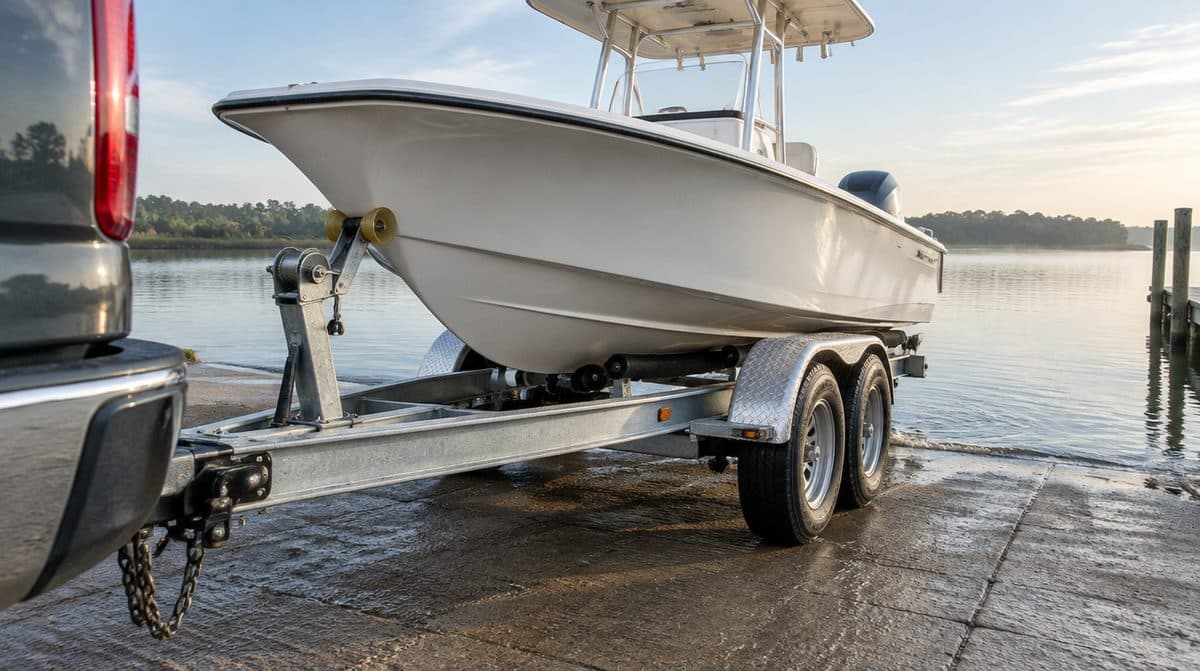
Here is the physics working against your hubs. You tow to the ramp, the bearings heat up, and then you back the whole assembly into cooler water. The air inside the hub contracts as it cools, and that contraction pulls water past the seals, saltwater if you launch on the coast. Water in grease is how bearings die. The defenses are old and proven: let the hubs cool a few minutes before you dunk, keep hubs pressurized with spring-loaded bearing protectors topped with marine grease, and have the bearings inspected and repacked regularly, with fresh seals any time water or rusty grease shows up. On the road, a hub you cannot comfortably touch at a fuel stop is a hub that is telling you something.
Lights: salt and hot bulbs do not mix
Incandescent trailer bulbs run hot, and hot glass hitting cold water is a short life. The habit that saves them is unplugging the harness before you back down the ramp. Better still, switch to sealed LED fixtures, which run cool and shrug off immersion. Either way, the real enemy is the wiring: rinse the connector, pack it with dielectric grease, and chase any flicker back to the ground wire, because it is almost always the ground wire.
Brakes want fresh water, every time
Trailer brakes live the hardest life of anything on the rig. Rotors, calipers, and the surge actuator all drink saltwater at every launch, and they rust from the moment you leave the ramp. A freshwater rinse after every saltwater dunk, through a flush kit if your trailer has one, is the single highest-value habit in this whole post. Beyond that, have the pads, rotors, and brake lines looked at on the same schedule as the bearings, and test the breakaway cable system if your trailer has one.
Tires age out before they wear out
Trailer tires rarely die of tread wear. They die of age and sunlight, sitting in a driveway while the sidewalls quietly rot. Find the DOT date code on the sidewall, the four digits giving week and year of manufacture, and know how old your tires actually are. Tire makers publish age guidance: Toyo, for example, recommends professional inspection once a tire passes five years old and replacement at ten years from manufacture no matter how good it looks. For a boat trailer parked outdoors in Florida sun, treat those as outer limits, not targets. Keep them at full sidewall pressure, and carry a real spare that gets the same attention.
The pre-trip checklist
Five minutes in the driveway beats an hour on the shoulder:
- Coupler seated, latched, and pinned, with safety chains crossed under the tongue
- Lights tested: running, brake, and both turn signals
- Tire pressure checked cold, spare included, lug nuts snug
- Winch strap tight, bow safety chain on, transom straps on
- First fuel stop: touch-test every hub for heat
If the rig needs more than a checklist, or the boat needs to move farther than you want to tow it, Waypoint lists Florida haulers and transport pros at nautical.network/directory/browse?category=transport. The boat only floats if the trailer gets it there.
More from the Wire
 Ownership
September 27, 2026
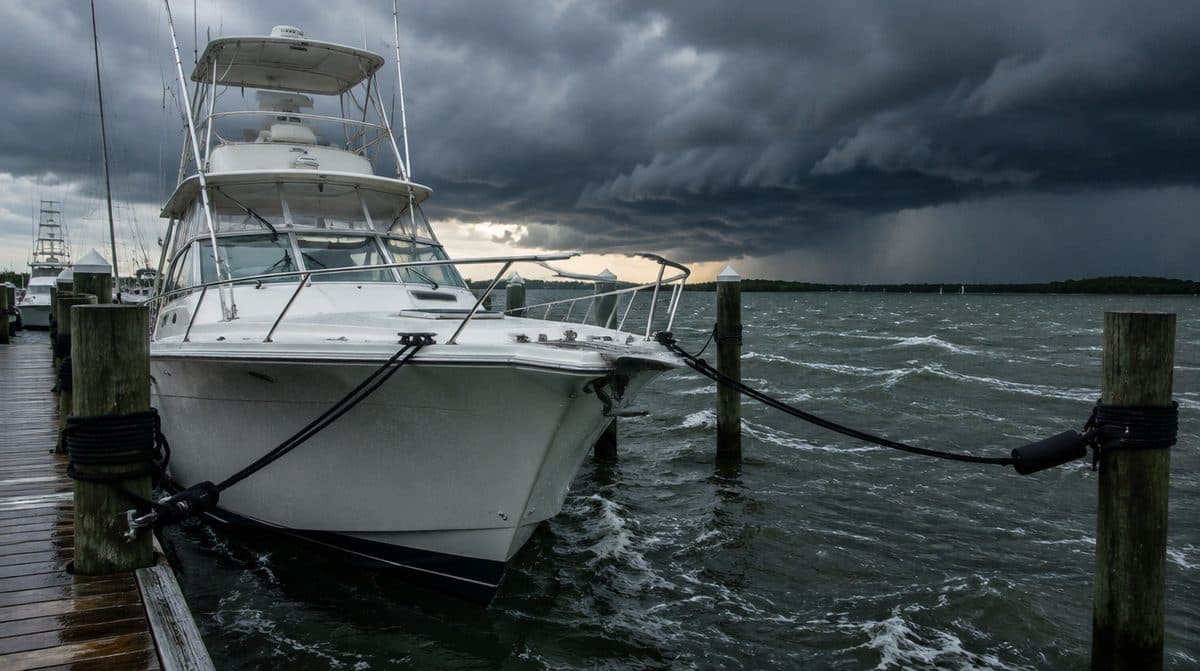
Hurricane Prep for Boat Owners: Write the Plan Before the Cone Shows Up
Haul or stay, doubled lines, stripped canvas, and the insurance fine print: the hurricane decisions Florida boat owners should make in May, not at the storm briefing.
Read more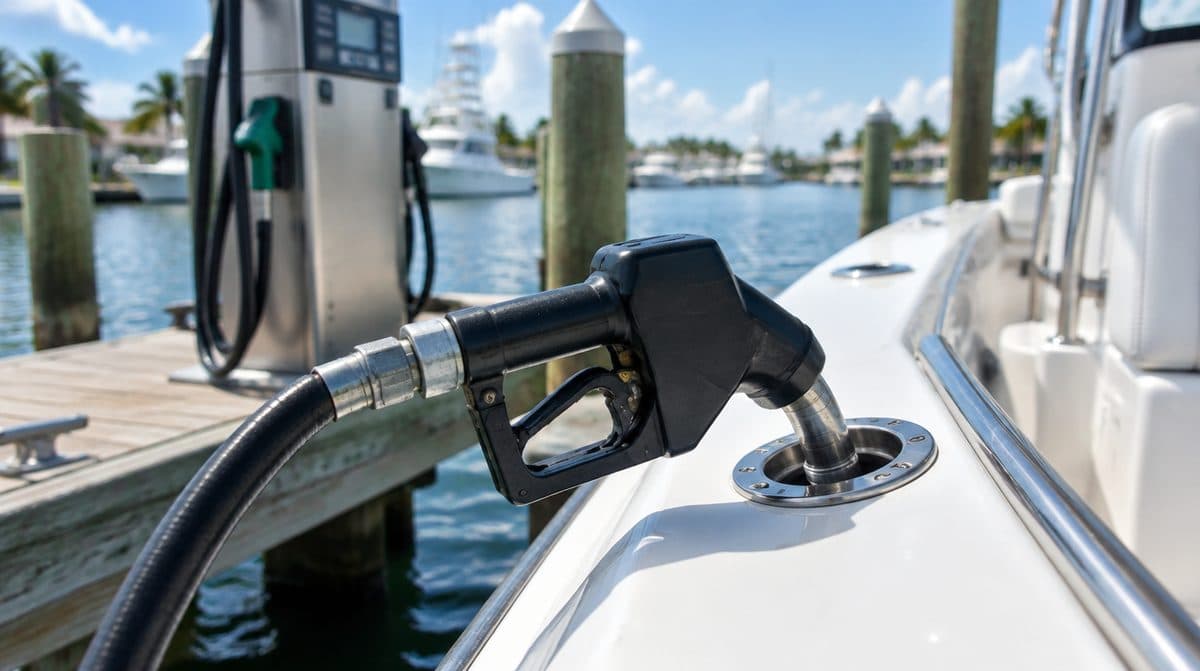 Ownership
September 26, 2026
E10 and Your Marine Engine: Phase Separation, Storage, and Stabilizer Habits
Why the same gas your truck burns happily can wreck a boat engine: what E10 does in a vented marine tank, how phase separation works, and the habits that prevent it.
Read more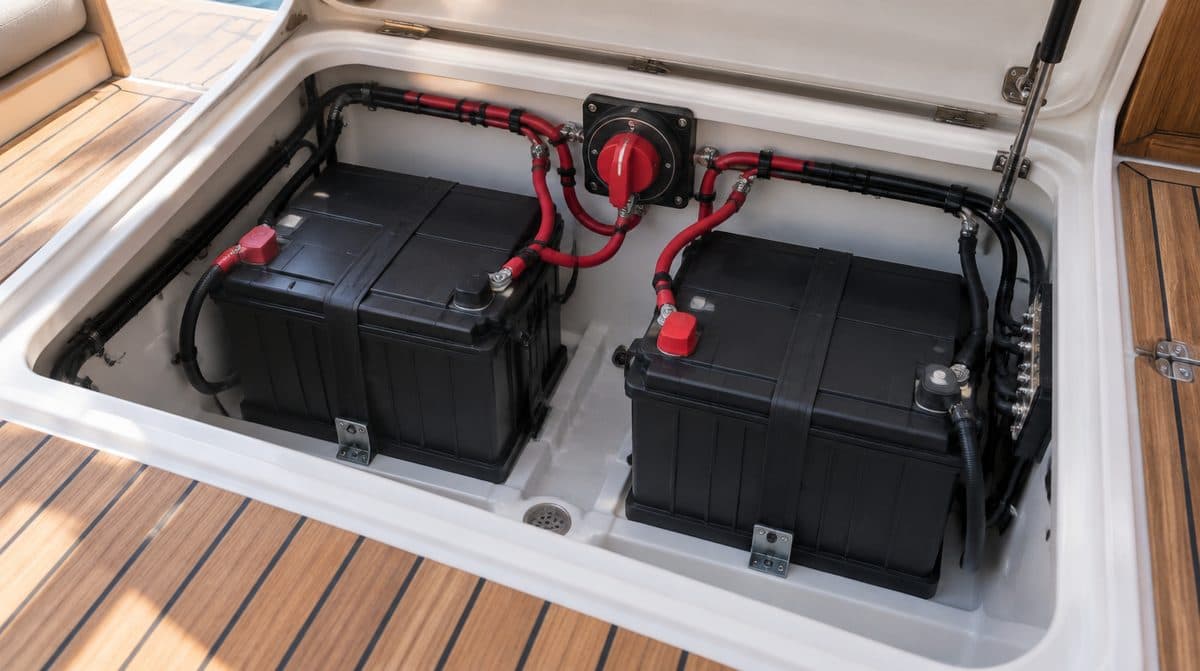 Ownership
September 25, 2026
Marine Batteries, Explained: Starting vs Deep Cycle, and Why Boats Eat Them
Starting, deep cycle, or dual purpose; flooded, AGM, or lithium. A plain-words guide to picking marine batteries and keeping them alive in Florida heat.
Read more