Boat Storage in Florida: Wet Slip, Dry Stack, or Trailer at Home
Where your boat lives decides half its maintenance and most of its hurricane plan. What wet slips, dry stacks, and home trailers each really mean for a Florida owner.
Where a boat sleeps is one of the biggest ownership decisions nobody researches. In Florida the choice usually comes down to a wet slip, a dry stack, or a trailer at home, and the decision quietly sets your maintenance load, your spontaneity, and your hurricane plan all at once.
The wet slip: convenience with a maintenance bill
A slip is the romantic option and the most convenient one: walk down, cast off, go. The trade is that the hull lives in warm salt water full time, so you inherit the full fouling cycle. Most Florida hull-cleaning services and experienced owners run a roughly monthly cleaning cadence, you will keep bottom paint current, and the zincs become a standing line item, replaced once they are about half consumed per standard builder guidance. Living plugged into shore power also puts your underwater metals on the dock's shared circuit, which is why slip boats want a galvanic isolator and a watchful eye on anode wear. Come storm season, you are on the marina's plan as much as your own, so read the dockage contract and know what the marina expects of you when a storm is named.
The dry stack: the fouling problem, deleted
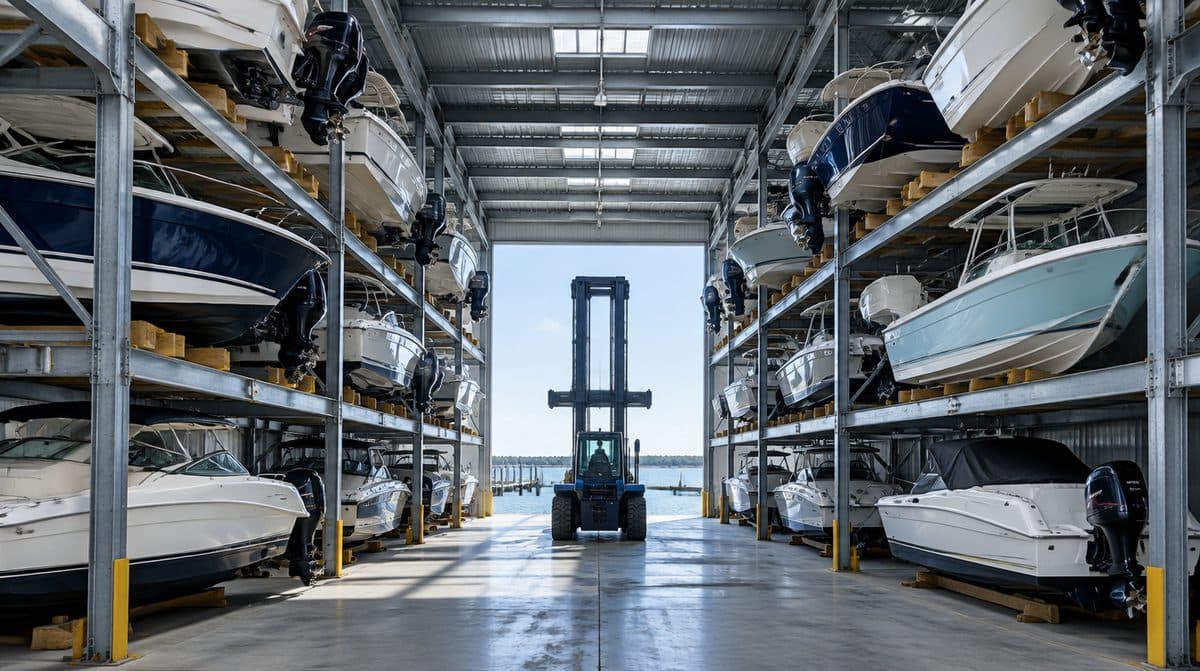
Dry stack flips the equation. The boat lives on a rack in a barn, the forklift splashes it when you call ahead, and the hull never sits in the water. No growth, often no bottom paint at all, far less corrosion exposure, and the engine gets flushed and the boat sits dry between trips. The trades are real but manageable: length and beam limits, forklift hours instead of midnight departures, and less hands-on access for projects. The hurricane question deserves honesty too. A sturdy modern barn is good shelter, but BoatUS has noted that high-rise storage racks have been destroyed in past hurricanes, so ask the operator about the building's rating and their named-storm policy before you sign, not after.
The trailer at home: cheapest, and the best hurricane card
Keeping the boat on a trailer costs the least and hands you the strongest storm move an owner has. BoatUS has long pointed to an MIT study conducted after Hurricane Gloria that found boats stored ashore were far more likely to survive than boats left in the water, and after recent storms its claims teams saw the same pattern: the owners who simply towed the boat home and parked it on high ground, away from trees and above expected surge, fared best. The trades: you buy the ramp routine, the towing, and a full trailer maintenance habit of bearings, brakes, lights, and tires, and your boating radius shrinks to where you are willing to tow. HOA rules and side-yard space settle the question for plenty of owners before the math does.
Choosing with June in mind
The right answer depends on your boat, your budget, and your tolerance for logistics, but in Florida every option should be chosen with hurricane season, June through November, in mind. Decide in May where the boat goes when a storm is named, because haul-out slots and transport trucks disappear fast once one is. Waypoint lists marinas, dry stacks, and storage operations across Florida at nautical.network/directory/browse?category=storage, and haulers who can move the boat at transport. Pick the bed before the boat needs it.
More from the Wire
 Ownership
September 27, 2026
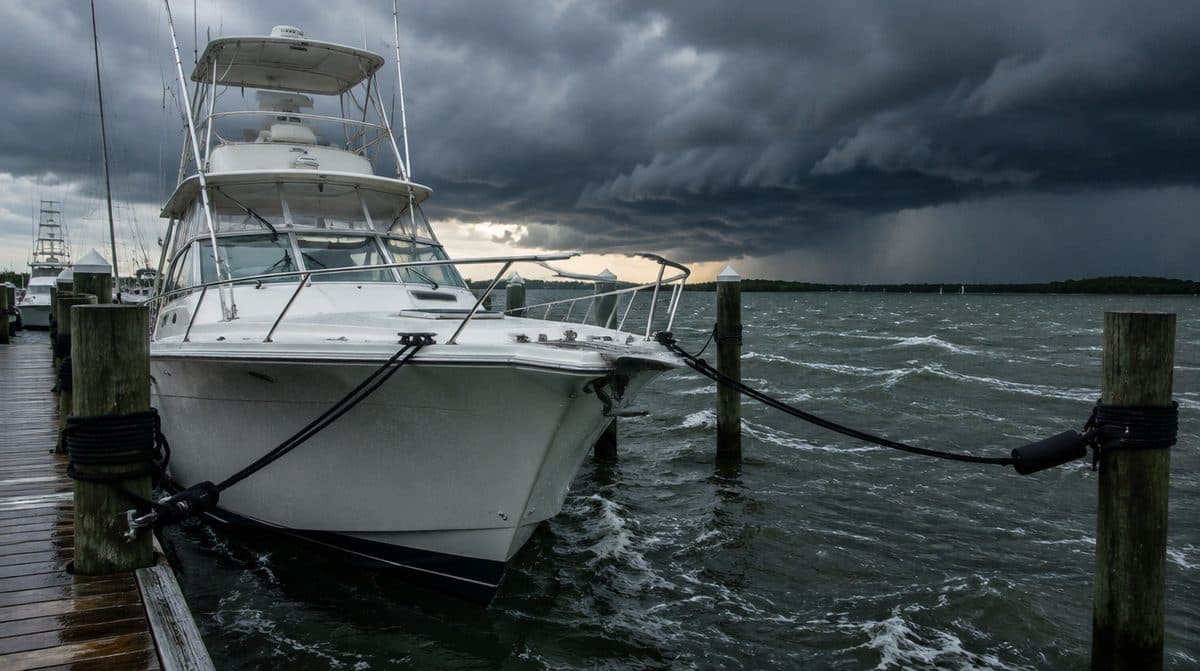
Hurricane Prep for Boat Owners: Write the Plan Before the Cone Shows Up
Haul or stay, doubled lines, stripped canvas, and the insurance fine print: the hurricane decisions Florida boat owners should make in May, not at the storm briefing.
Read more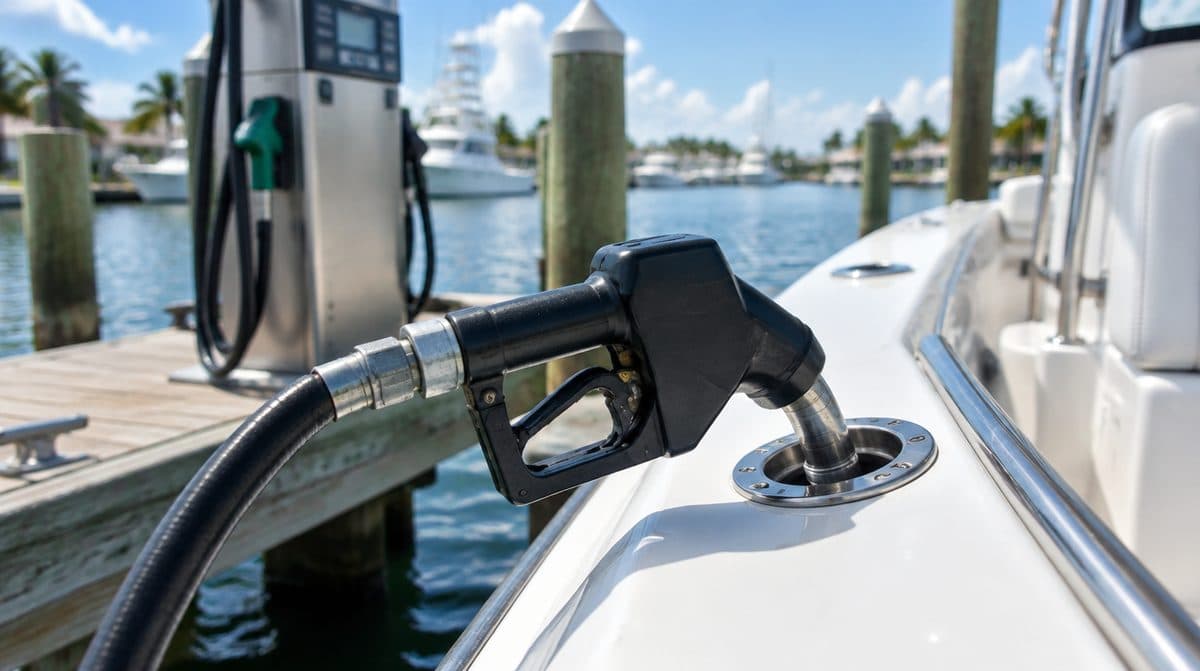 Ownership
September 26, 2026
E10 and Your Marine Engine: Phase Separation, Storage, and Stabilizer Habits
Why the same gas your truck burns happily can wreck a boat engine: what E10 does in a vented marine tank, how phase separation works, and the habits that prevent it.
Read more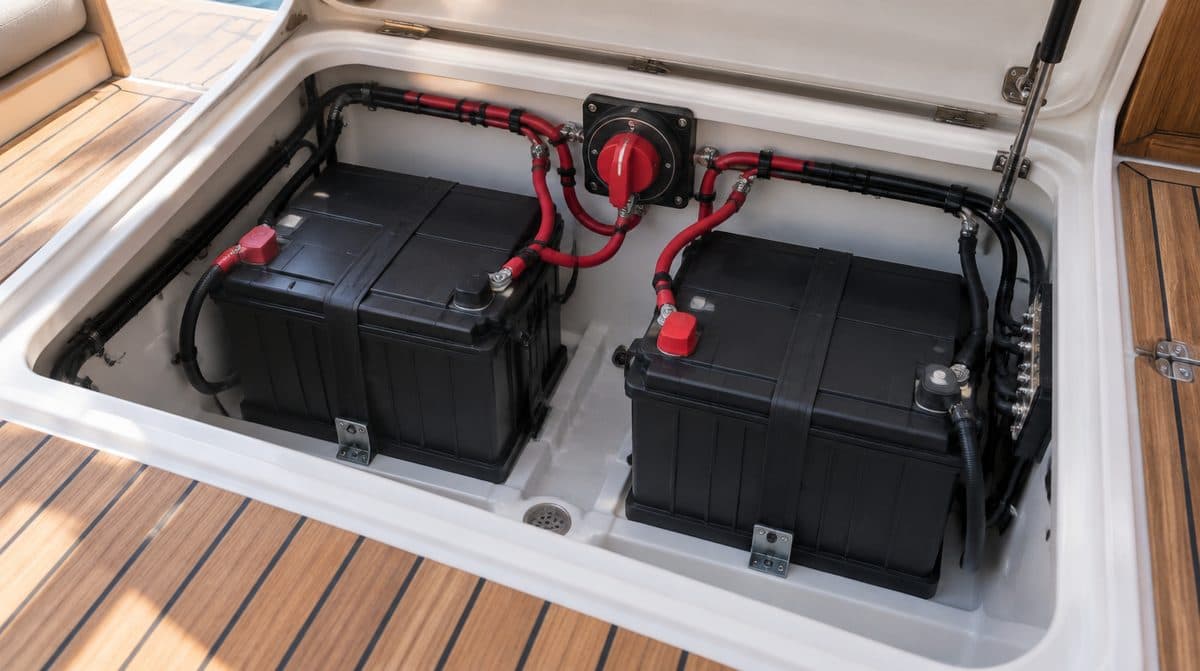 Ownership
September 25, 2026
Marine Batteries, Explained: Starting vs Deep Cycle, and Why Boats Eat Them
Starting, deep cycle, or dual purpose; flooded, AGM, or lithium. A plain-words guide to picking marine batteries and keeping them alive in Florida heat.
Read more