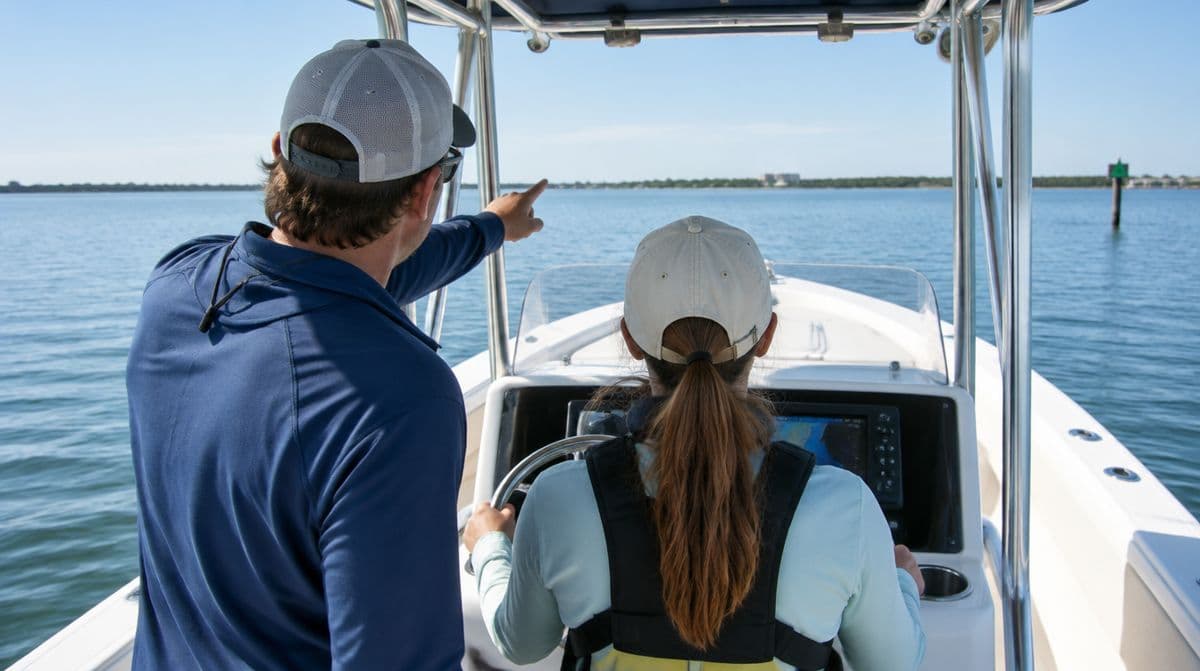
USCG Captain's Licenses in Plain Words: OUPV vs Master
What a six-pack license actually allows, what a Master adds, how tonnage works, and the sea time behind each, straight from the Coast Guard's own rules.
Ask three dock neighbors what a captain's license lets you do and you will get four answers. The actual rules live in Coast Guard regulations, and once you translate them out of government language, the system is simpler than it looks. Here it is in plain words, with every specific drawn from the Coast Guard's own regulations in 46 CFR.
The six-pack: OUPV
OUPV stands for Operator of Uninspected Passenger Vessels, and everyone calls it the six-pack because of what it allows: carrying up to six paying passengers on an uninspected vessel of less than 100 gross registered tons. That is the license behind most small charter fishing boats and sunset cruises. Under 46 CFR 11.467, the near coastal version covers you out to 100 miles offshore on domestic voyages, and there is an inland-only version for lakes, rivers, and bays. The Coast Guard will issue an OUPV at age 18.
The sea time: 12 months of experience operating vessels, and for the near coastal route at least 3 of those months on ocean or near coastal water. The Coast Guard counts a month as 30 days, which is why schools talk about 360 days. A day of sea service generally means 8 hours underway, though on smaller boats the Coast Guard can credit less, and under 46 CFR 10.107 never less than 4 hours. Recency matters too: under 46 CFR 11.201 you need at least 3 months of that service within the 3 years before you apply.
Master: the bigger license
The six-pack's hard ceiling is those six passengers. Carrying seven or more paying passengers puts a boat into inspected territory, and that requires a Master. A Master credential is what dinner cruise boats, larger dive operations, and ferry-style operations run on.
The cost of entry is more time on the water. Under 46 CFR 11.428, a Master of near coastal vessels under 100 gross registered tons takes two years of deck service, with ocean or near coastal time required and inland or Great Lakes time able to substitute for up to one year of it. Sailors note: adding a sailing endorsement takes 12 months of service on sail or auxiliary sail vessels.
What the tonnage number means
The 25, 50, or 100 printed on a Master license is not a menu you order from. The Coast Guard sets your tonnage from the size of the vessels in your documented sea time, so time earned on an 8-ton center console produces a smaller license than time on a 60-ton crew boat. If the boats you plan to run are bigger than the boats you learned on, that gap is the thing to plan around.
The parts nobody warns you about
Every original license application also means a TWIC security card, a Coast Guard medical certificate, a drug test, an exam, and under 46 CFR 11.201 a first aid certificate completed within a year of applying plus a current CPR card. The exam is the famous hurdle, but for most working applicants the paperwork is the real boss fight.
If you are ready to start, Florida has schools that run Coast Guard-approved courses up and down both coasts. Browse Training & Safety on Waypoint and talk to one before you start logging forms. The license is a project, but it is a very doable one.
More from the Wire
 Captains
September 7, 2026
Hiring a Delivery Captain: When It Makes Sense and How to Do It Right
When a professional delivery beats moving the boat yourself, what a good captain will ask you for before leaving the dock, and how a clean handoff works on both ends.
Read more Captains
September 5, 2026
Do You Need a Captain Aboard? What Insurers Ask of New Owners Moving Up
Why carriers sometimes require a licensed captain for owners stepping up in size, how owner training days work, and how to turn a requirement into real skill.
Read more Captains
September 4, 2026
So You Want to Be a Charter Captain: The Realistic Path
The real sequence from deckhand to paid captain: logging sea time the Coast Guard accepts, the exam, the drug testing consortium, and where the first jobs actually are.
Read more