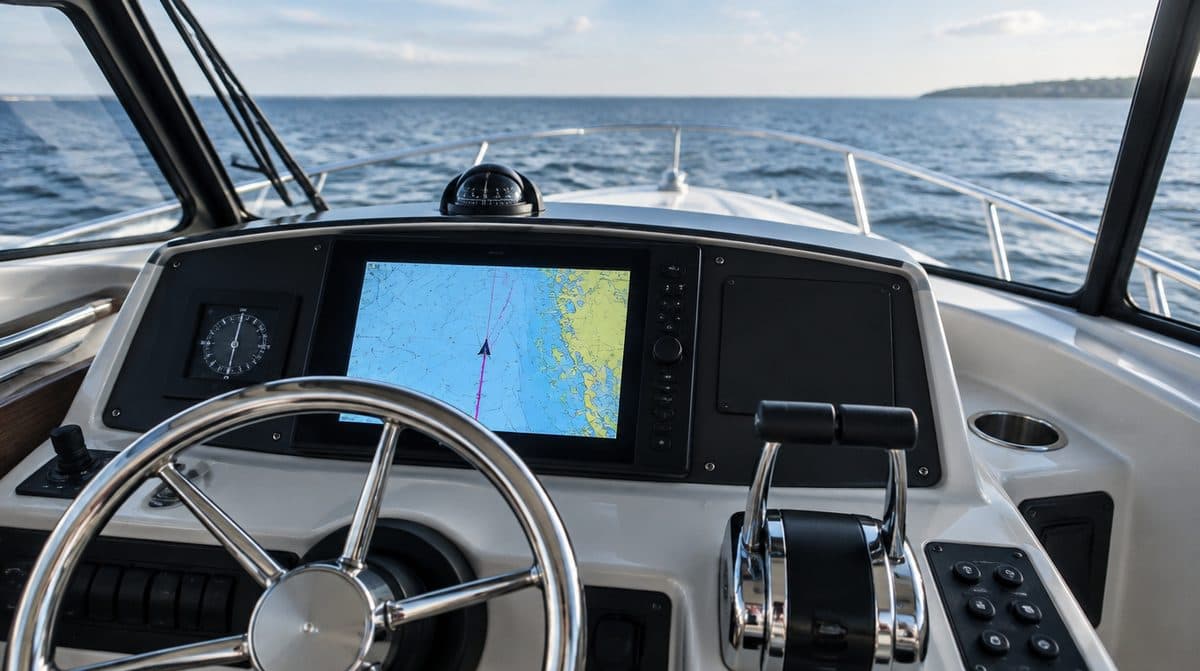
So You Want to Be a Charter Captain: The Realistic Path
The real sequence from deckhand to paid captain: logging sea time the Coast Guard accepts, the exam, the drug testing consortium, and where the first jobs actually are.
Every marina has someone who says you should get your captain's license, and they are usually right. But between that conversation and your first paid charter sits a process with real requirements, set by the Coast Guard, that rewards people who start logging early. Here is the path, with the specifics drawn from Coast Guard regulations.
Step one: the sea time you already have
The entry license for charter work is the OUPV, the six-pack, which allows up to six paying passengers on an uninspected vessel. Under 46 CFR 11.467 it takes 12 months of experience operating vessels, with at least 3 months on ocean or near coastal water if you want the near coastal route. The Coast Guard counts a month as 30 days, so that is the 360 days you hear about, and under 46 CFR 11.201 at least 3 months of it must fall within the 3 years before you apply. Recreational time counts. The days you spent running your own boat, crewing for a friend, or working a family boat all count if you can document them, and a day generally means 8 hours underway, with 46 CFR 10.107 allowing the Coast Guard to credit as little as 4 hours on smaller vessels. Start keeping a log now, with dates, vessels, and waters. Future you will be grateful.
Step two: the exam and the paperwork
Most people take a Coast Guard-approved course, which lets you test at the school instead of sitting the exam at a Coast Guard exam center. Navigation rules are the section that sinks people, so give them respect. Around the exam sits the application packet: a TWIC security card, a Coast Guard medical certificate, a passed drug test, the application fee, and under 46 CFR 11.201 a first aid certificate completed within a year of applying plus a current CPR card. None of it is hard. All of it takes longer than you think, so run the paperwork in parallel with the course.
Step three: the drug consortium nobody mentions
Passing one drug test gets you the license. Working under it is a different rule: 46 CFR 16.230 requires crewmembers in safety-sensitive credentialed roles, including self-employed operators, to be enrolled in a random drug testing program, with the regulation setting a minimum annual random testing rate of 50 percent of covered crewmembers. For a one-person charter operation, that means joining a drug testing consortium that handles the random pool for you. Budget for the annual enrollment and stay current, because running charters outside a program puts your license on the line.
Step four: the first jobs
Nobody steps off the exam into a full charter book. The realistic first rungs: mate or relief captain for an established operation, launch and tender work, dive and tour boats, and short deliveries alongside a seasoned captain. Those jobs build the local knowledge and the reputation that eventually fill a calendar, and they keep your sea time current for the upgrades that come later.
If you are starting the license, Florida's schools are listed under Training & Safety on Waypoint. And once that license is in hand, the work is out there: boaters post real, immediate needs on In Search Of every week, and the pros who answer them are the ones building books. See you on the water.
More from the Wire
 Captains
September 7, 2026
Hiring a Delivery Captain: When It Makes Sense and How to Do It Right
When a professional delivery beats moving the boat yourself, what a good captain will ask you for before leaving the dock, and how a clean handoff works on both ends.
Read more Captains
September 6, 2026
USCG Captain's Licenses in Plain Words: OUPV vs Master
What a six-pack license actually allows, what a Master adds, how tonnage works, and the sea time behind each, straight from the Coast Guard's own rules.
Read more Captains
September 5, 2026
Do You Need a Captain Aboard? What Insurers Ask of New Owners Moving Up
Why carriers sometimes require a licensed captain for owners stepping up in size, how owner training days work, and how to turn a requirement into real skill.
Read more