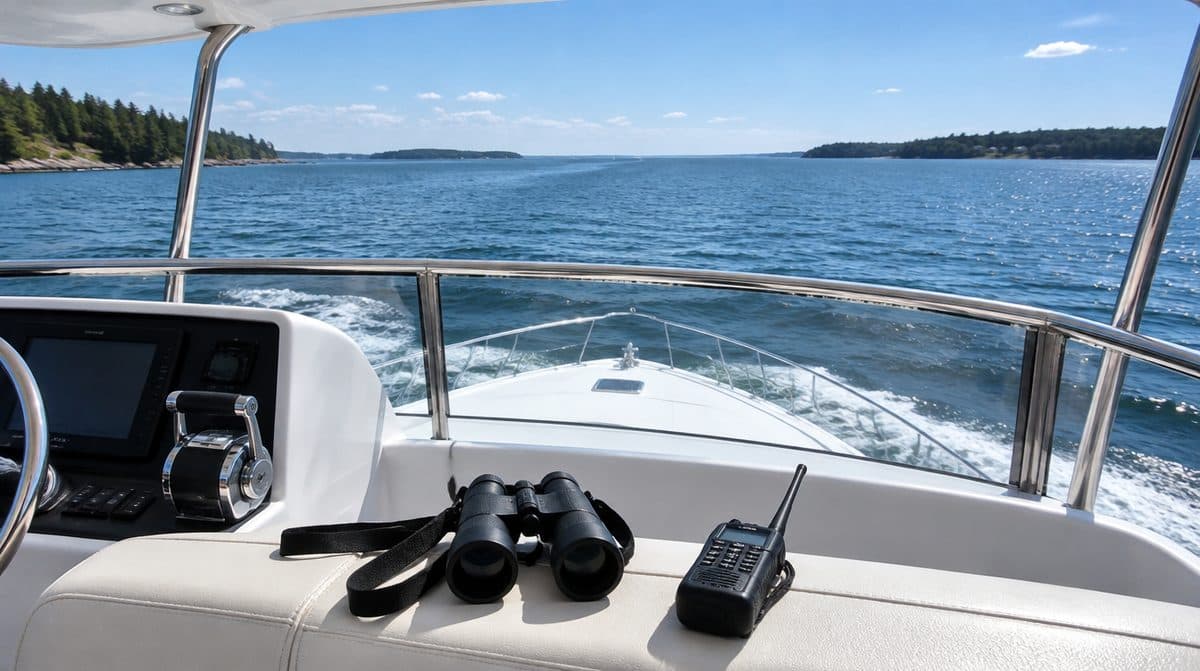
Do You Need a Captain Aboard? What Insurers Ask of New Owners Moving Up
Why carriers sometimes require a licensed captain for owners stepping up in size, how owner training days work, and how to turn a requirement into real skill.
You sold the 26-footer, bought the 48, and then your insurance agent said the quiet part: the carrier wants a licensed captain aboard for a while. Nobody frames their boat around that letter, but it is one of the most common moments in moving up, and handled right it is the best money you will spend on the new boat.
Why carriers ask for this
Insurance underwriting runs on demonstrated experience. When your documented history is on a single-engine trailer boat and the new boat is twice the length with twin diesels, a bow thruster, and real tonnage, the carrier has no evidence you can handle it yet. So many carriers bridge that gap with conditions, and the terms vary by underwriter: a licensed captain aboard whenever the boat moves, a set number of supervised hours before you run it solo, or a formal sign-off from the captain at the end. There is no universal industry rule, so read your own policy language and ask your agent exactly what satisfies the requirement. Getting this wrong is not a paperwork problem, it is a coverage problem.
What owner training days look like
A good training captain does not just stand next to you while you drive. Expect sessions built around the things that actually bend fiberglass: docking in current and crosswind, close-quarters handling with twins, anchoring, systems walkthroughs, and what to do when one engine quits in the channel. Most owners find the boat stops feeling big somewhere around the third or fourth session. Keep a simple log of dates, hours, and what was covered, because that log is what your agent and any future carrier will want to see.
Even when nobody requires it
Plenty of owners hire a captain for a day or two with no carrier pushing them. A new-to-you boat has habits only hours reveal, and a captain who has run that hull type will compress a season of trial and error into a weekend. It is also the sane way to handle your first long run, your first overnight, or your first time through a shallow, shifting inlet. Think of it less as a requirement and more as the fastest available education.
How to pick the right captain
Look for a current Coast Guard license, insurance, and recent time on your style of boat. Then look for the thing that matters most: a teacher's temperament. You want someone who hands you the wheel early and talks you through mistakes, not someone who runs the boat beautifully while you watch.
Waypoint lists Florida pros for exactly this, from captained deliveries under Transport & Delivery to license schools and hands-on instruction under Training & Safety, every listing checked against the business's own website. Save a few candidates, make the calls, and get the hours in. The requirement expires. The skills do not.
More from the Wire
 Captains
September 7, 2026
Hiring a Delivery Captain: When It Makes Sense and How to Do It Right
When a professional delivery beats moving the boat yourself, what a good captain will ask you for before leaving the dock, and how a clean handoff works on both ends.
Read more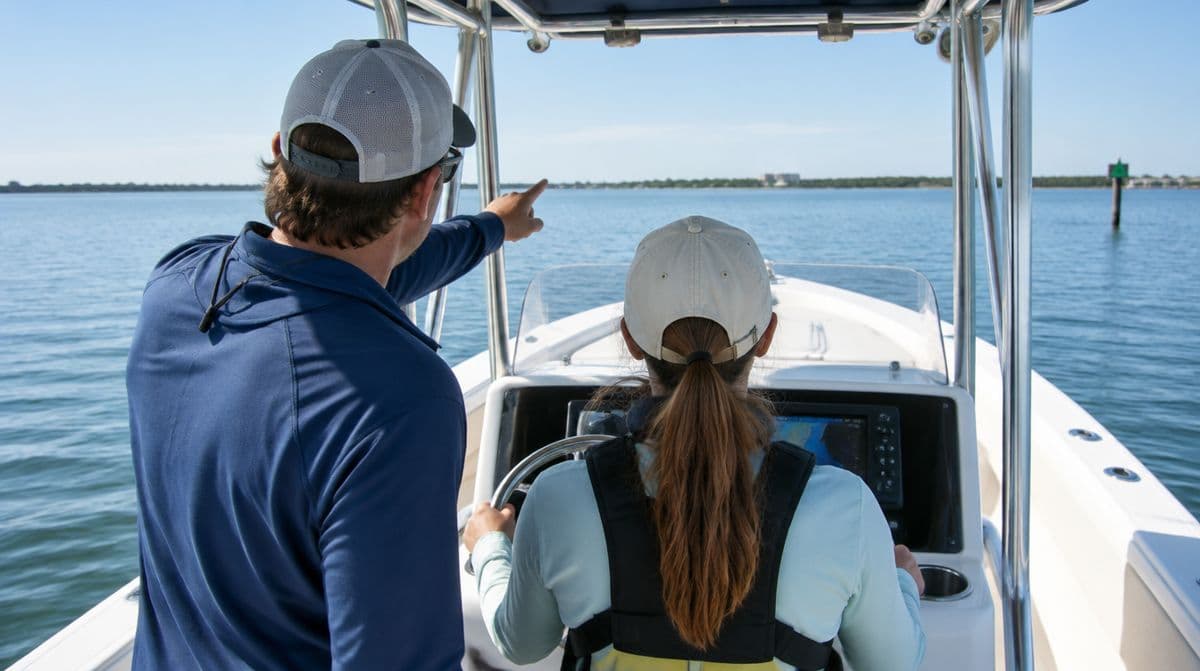 Captains
September 6, 2026
USCG Captain's Licenses in Plain Words: OUPV vs Master
What a six-pack license actually allows, what a Master adds, how tonnage works, and the sea time behind each, straight from the Coast Guard's own rules.
Read more Captains
September 4, 2026
So You Want to Be a Charter Captain: The Realistic Path
The real sequence from deckhand to paid captain: logging sea time the Coast Guard accepts, the exam, the drug testing consortium, and where the first jobs actually are.
Read more