Selling Your Boat: The Prep That Actually Pays
Boats sell on condition, documentation, and trust. The prep that returns real money: detailing, a records binder, honest pricing, survey-ready condition, and safe sea trials with strangers.
Boats do not sell themselves, and they do not sell on horsepower. They sell on condition, documentation, and the buyer's sense that this owner took care of things. The sellers who get their price are the ones who do a few weeks of unglamorous prep before the listing ever goes live. Here is the prep that returns real money.
Detail it like you mean it
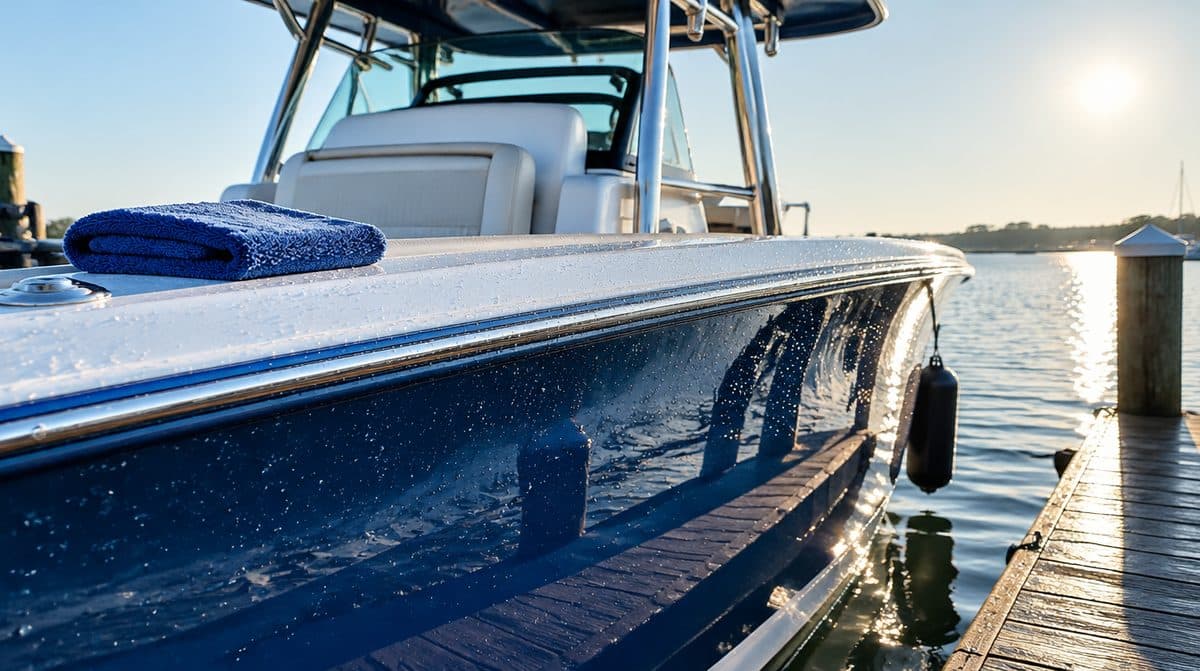
Buyers decide emotionally in the first two minutes and justify it rationally afterward. A professional detail, compounded gelcoat, clean brightwork, treated upholstery, a spotless bilge, is the highest-return money you will spend in the entire sale. The bilge especially: an immaculate bilge quietly says this boat was maintained, louder than anything you could write in the listing. A shabby boat invites lowball offers that a clean identical boat never sees. Waypoint's detailing pros do pre-sale details all season, and they know exactly what buyers look at.
Build the records binder
Gather every receipt, service invoice, winterization record, and warranty document into one binder or folder, organized by year. Add the engine hours, recent oil analysis if you have one, and manuals. Then watch what it does in a showing: the buyer stops asking you to prove the boat was cared for, because the binder already did. No binder means every buyer prices in the unknown, and the unknown is always priced against you.
Price it honestly, the first time
Research sold prices for your model and year, not asking prices, and be ruthless about condition adjustments. An honestly priced boat draws multiple interested buyers in the first weeks, which is when your leverage peaks. An overpriced boat sits, and a boat that sits gets stale, and stale listings attract exactly one kind of buyer: the kind hunting for desperation. Pricing right from day one usually nets more than pricing high and chasing the market down.
Be survey-ready before the survey
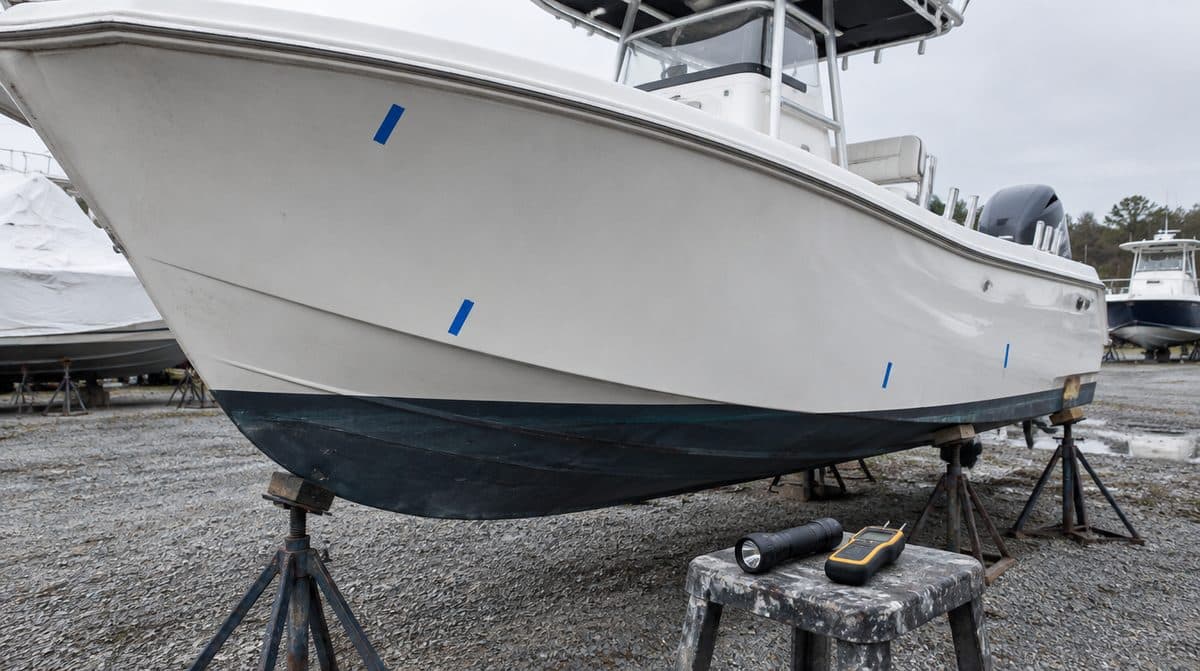
Assume any serious buyer will hire a surveyor, and get ahead of it. Fix the small stuff that makes surveys read badly: dead bulbs, weak batteries, seized seacocks, cracked hose clamps, non-firing electronics. Every small item a surveyor flags becomes a negotiation chip against you, usually at several times the repair cost. Some sellers go further and commission their own pre-listing survey to find surprises before a buyer does. For what buyers are told to look for, read the survey guide and prep against it.
Sea trials with strangers, safely
You will be taking people you have just met out on your boat. A few rules keep it sane. You or your captain runs the boat, not the buyer, until you decide otherwise and conditions allow. Verify the buyer is real before burning a morning: a short phone conversation filters most tire-kickers. Keep the guest list to decision-makers. And never hand over keys, title, or possession until funds have fully cleared, no matter how friendly the handshake.
The payoff
All of this is a few weekends of effort and some well-spent detailing money, and it routinely moves the final number more than any negotiating trick ever will. Prep the boat, build the binder, price it straight, and let the condition do the talking. The buyer who appreciates it is exactly the buyer you want.
More from the Wire
 Buying & Selling
September 15, 2026
The Used Boat Buying Checklist: From First Look to Closing
A step-by-step checklist for buying a used boat: what to inspect at the dock, which records to demand, when to bring in a surveyor, and the paperwork that protects you at closing.
Read more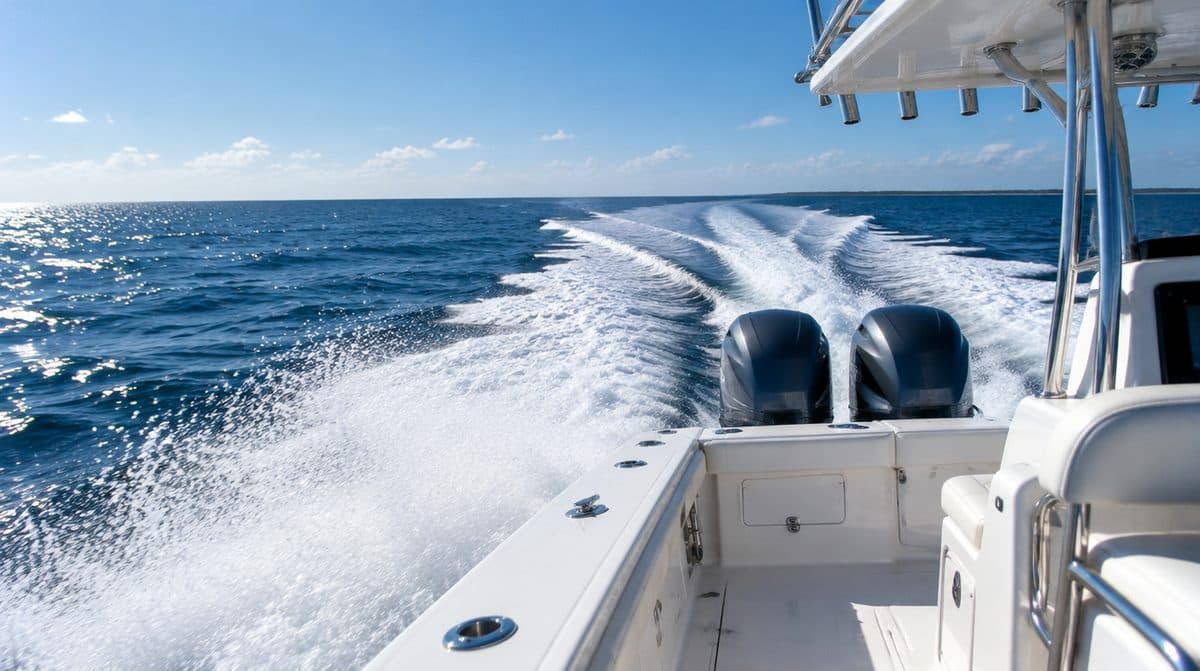 Buying & Selling
September 14, 2026
The Sea Trial: What to Test Before You Buy a Boat
A sea trial is your one chance to catch problems a dockside inspection never will. Here is what to test under way, who belongs aboard, and the red flags that should end the deal.
Read more Buying & Selling
September 13, 2026
How Boat Depreciation Works, and What Actually Holds Value
New boats lose value fastest in the first years, then the curve flattens. What drives the curve, what holds value, and how to buy and own so depreciation works for you.
Read more