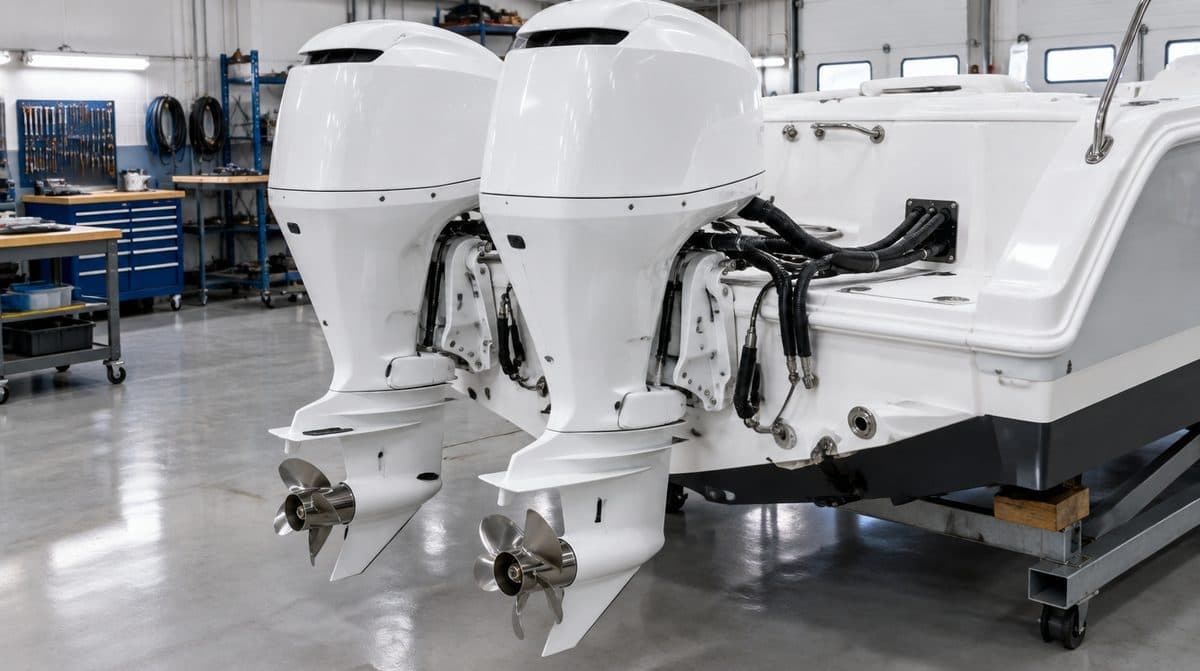
Repower or Replace: When a New Outboard Beats a New Boat
If the hull is sound and the engine is done, repowering can deliver a like-new boat for a fraction of replacing it. When repower wins, what the job involves, and what to ask the rigger.
Every owner of an aging boat eventually faces the fork in the road: the engine is tired, the repair bills are stacking up, and the question becomes whether to hang new power on the old hull or start over with a new boat. The answer is not always repower, but when the conditions are right, repowering is one of the best-value moves in boating.
When repower wins
The case for repowering rests on one fact: fiberglass hulls outlive engines, often by decades. If your hull is structurally sound, the transom is solid, and you genuinely like the boat, the layout, the ride, the way it fishes, then the engine is the only thing that is actually worn out. A repower gets you modern reliability, better fuel efficiency, quieter running, and current rigging and gauges, typically for a fraction of what a comparable new boat costs, especially once you count what new boats sell for today. It also sidesteps the steep early depreciation a new boat takes, because you are investing in a boat that has already done its depreciating.
The case against: if the hull has structural issues, a wet transom or stringers, widespread deck softness, or the boat simply no longer fits your life, new power on a bad or wrong hull is good money after bad. Repower a boat you want to keep ten more years, not a boat you are merely used to.
What a repower actually involves
A repower is more than unbolting one engine and bolting on another. The transom must be evaluated and sometimes reinforced, especially when stepping up in horsepower or weight, since modern four strokes often weigh more than the engines they replace. Rigging is usually all new: control cables or digital controls, wiring harnesses, fuel lines, gauges, and often the fuel system components themselves. Steering may need upgrading, hydraulic or electric, to suit the new engine. Then comes propping, where the rigger dials in the right propeller through water testing so the new engine reaches its rated RPM range under real load. Expect the full job to take a shop days to weeks depending on complexity and parts, and expect the rigging portion to be a meaningful share of the invoice. It is skilled work, and it is exactly where a good shop earns its money.
Questions for the rigger
A few questions separate a quote from a plan.
- Will my transom handle the new engine's weight and horsepower, and how will you verify that before we commit?
- What does the quote include beyond the engine: controls, gauges, harnesses, propeller, water testing, and disposal of the old engine?
- What is the warranty on the engine, and separately, on the rigging work itself?
- Who does the prop tuning, and is water testing included until the engine hits its rated RPM?
- What is the realistic timeline, and what could stretch it?
A rigger with clear answers to all five is a rigger you can trust with your transom.
Deciding with real numbers
Get a repower quote and an honest hull assessment before you shop new boats, because the comparison only works with both numbers in hand. Waypoint lists verified mechanical and repower shops across Florida at Waypoint's mechanical directory, and many will assess the hull and transom as part of the estimate. If the hull is good and the boat still fits your life, do not be surprised when the old boat with new power wins the math.
More from the Wire
 Buying & Selling
September 15, 2026
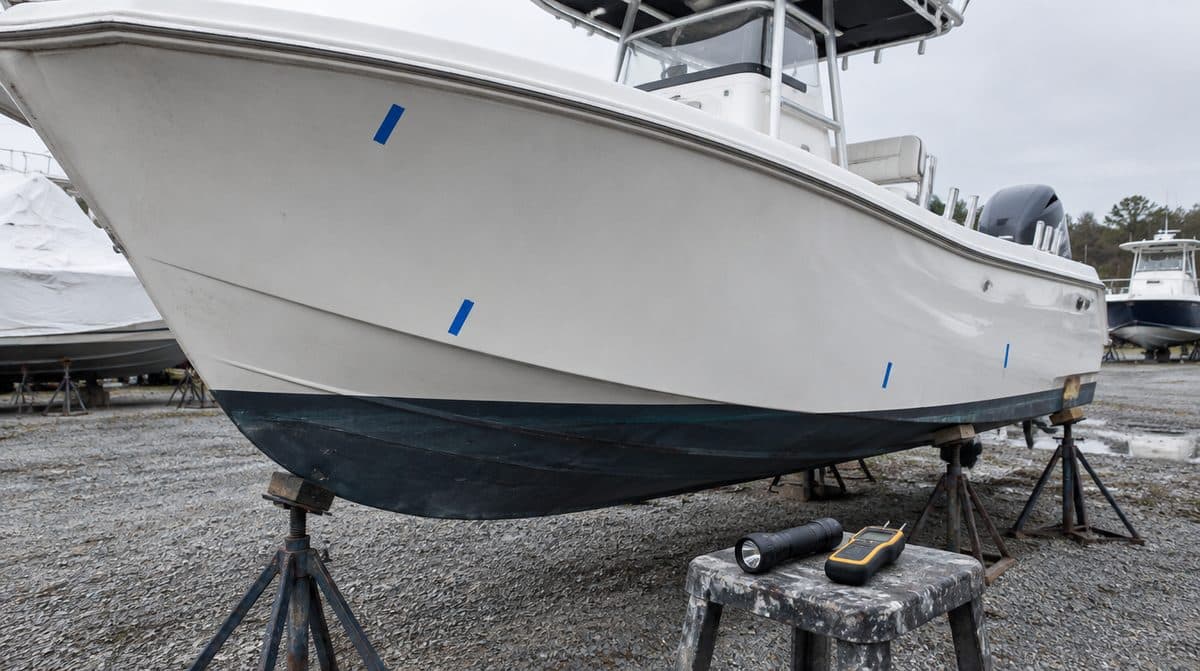
The Used Boat Buying Checklist: From First Look to Closing
A step-by-step checklist for buying a used boat: what to inspect at the dock, which records to demand, when to bring in a surveyor, and the paperwork that protects you at closing.
Read more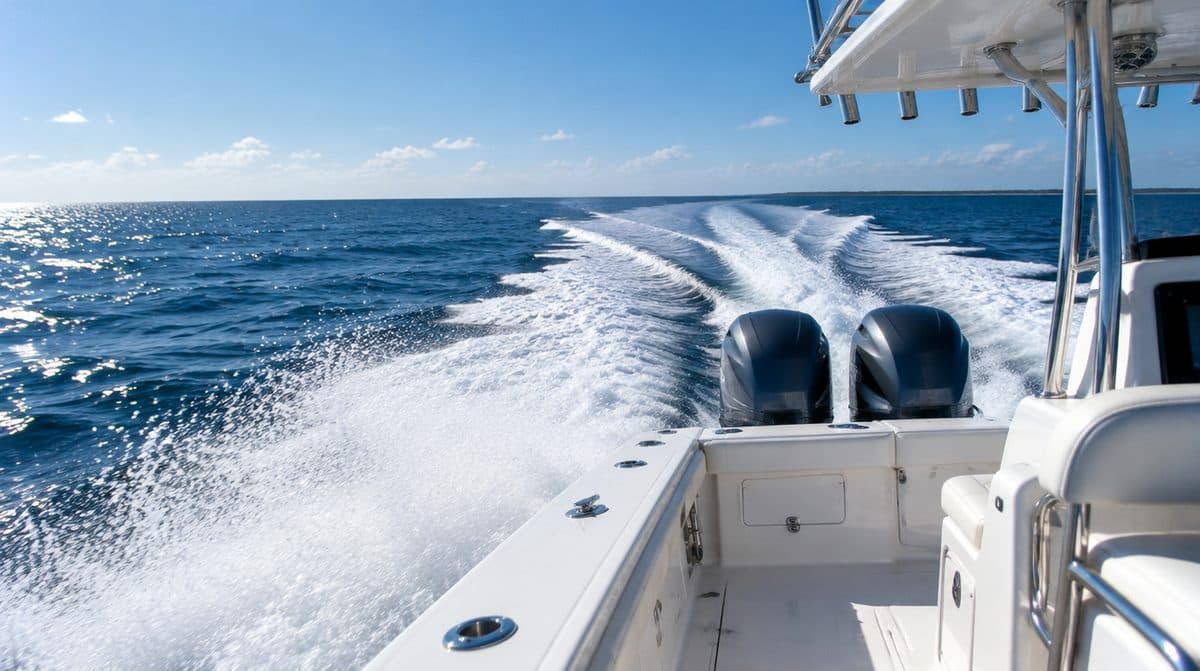 Buying & Selling
September 14, 2026
The Sea Trial: What to Test Before You Buy a Boat
A sea trial is your one chance to catch problems a dockside inspection never will. Here is what to test under way, who belongs aboard, and the red flags that should end the deal.
Read more Buying & Selling
September 13, 2026
How Boat Depreciation Works, and What Actually Holds Value
New boats lose value fastest in the first years, then the curve flattens. What drives the curve, what holds value, and how to buy and own so depreciation works for you.
Read more