Choosing Your First Boat: Match the Boat to the Life, Not the Brochure
Sandbar days, fishing, cruising, or watersports: your real habits should pick your first boat. How to match type to use, weigh trailerability, and why buying your second boat first pays.
The most expensive mistake in first-boat shopping is not overpaying. It is buying the wrong boat entirely, discovering it over one summer, and selling it at a loss to buy the boat you actually needed. The fix is unglamorous: before you look at a single listing, get honest about how you will really use the boat.
Start with the real days, not the imagined ones
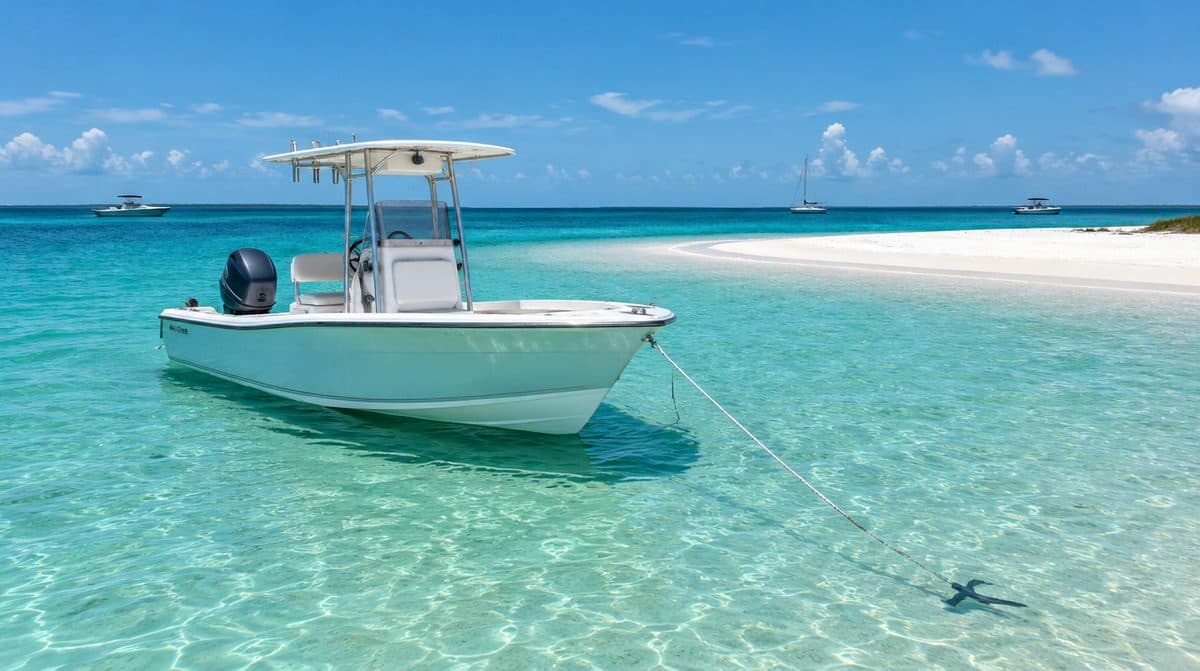
Picture your ten most likely boat days, not your dream day. If eight of them are sandbar afternoons with family, you want deck space, shallow draft, a good anchor setup, and shade, which points toward pontoons, deck boats, and bay boats. If they are fishing mornings, rod storage, a livewell, and an open cockpit matter more than seating, which is center console territory. If they are sunset cruises and overnights, cabins and heads enter the picture. And if the kids want to wakeboard, hull shape and tow points stop being details. No boat does everything well. A boat that does your thing well beats a boat that does everything adequately.
Size versus trailerability
Bigger is better right up until it is not. A trailerable boat, generally up to around the mid-20-foot range depending on beam, lets you skip slip fees, store at home, chase fish or calm water across the state, and keep the hull out of the water between trips. Go bigger and you gain range, comfort, and rough-water ability, but you take on a slip or dry stack, bottom paint, and a boat that lives in salt water full time. Neither answer is wrong. What is wrong is buying a 28-footer when your budget assumed a driveway, or a 19-footer when your family of six assumed a cabin.
Buy your second boat first
Here is the argument worth taking seriously: most first-time owners outgrow their first boat quickly, not because the boat failed but because they did not yet know their own habits. Everything above is aimed at skipping that step, buying the boat you would have traded up to anyway. Talk to owners who boat the way you plan to. Charter or rent the type you think you want for a weekend before you commit. A few hundred dollars of renting has saved many buyers a five-figure lesson. And consider a well-kept used boat for round one, since it absorbs your learning scuffs at a kinder price.
Set up for success, not just purchase
Budget past the sticker: insurance, storage, fuel, and maintenance are the real cost of ownership, and a boat you can afford to run beats a nicer one you cannot. If you are new to handling a boat, a few hours of professional instruction is the best money in boating, and Waypoint's training and safety pros include captains who teach aboard your own boat.
The right first boat is the one that gets used. Match it to your actual life, size it to your actual storage, and when you find it, the Waypoint directory has 550 or more verified Florida marine pros ready to keep it running for the years of boat days ahead.
More from the Wire
 Buying & Selling
September 15, 2026
The Used Boat Buying Checklist: From First Look to Closing
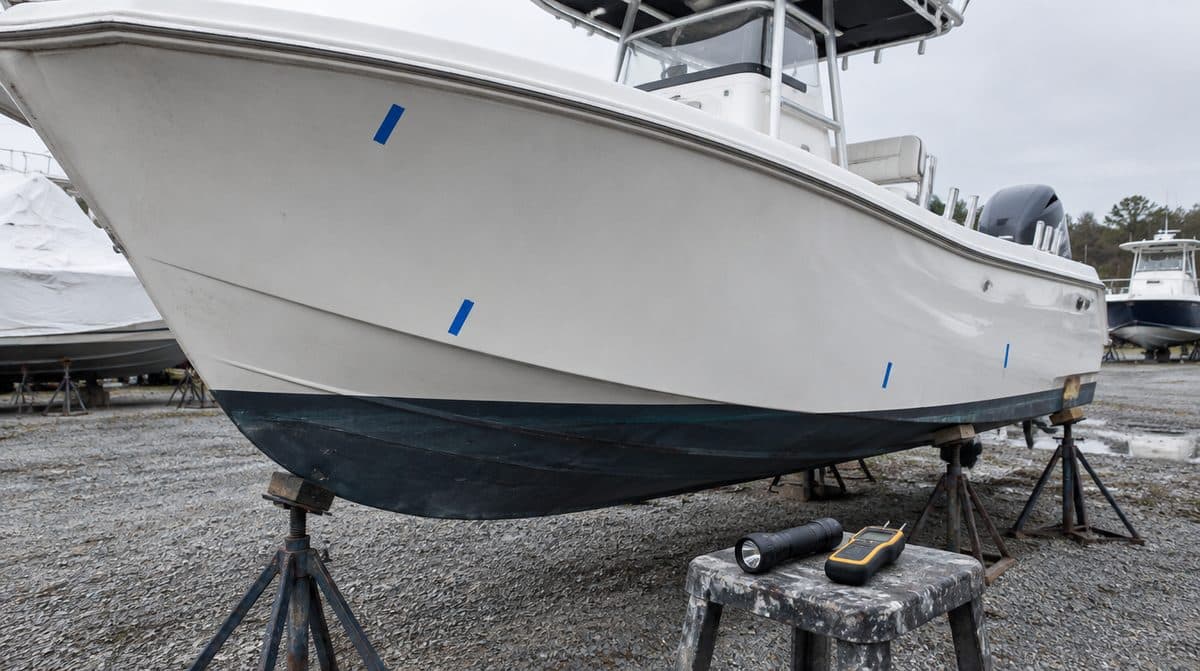
A step-by-step checklist for buying a used boat: what to inspect at the dock, which records to demand, when to bring in a surveyor, and the paperwork that protects you at closing.
Read more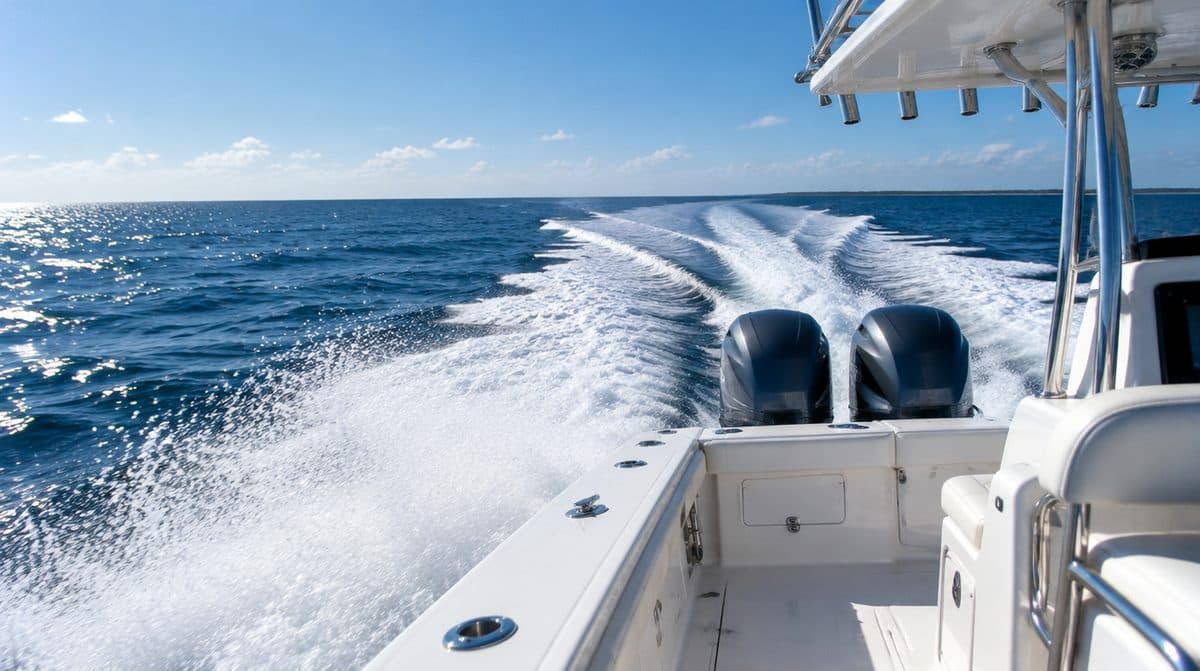 Buying & Selling
September 14, 2026
The Sea Trial: What to Test Before You Buy a Boat
A sea trial is your one chance to catch problems a dockside inspection never will. Here is what to test under way, who belongs aboard, and the red flags that should end the deal.
Read more Buying & Selling
September 13, 2026
How Boat Depreciation Works, and What Actually Holds Value
New boats lose value fastest in the first years, then the curve flattens. What drives the curve, what holds value, and how to buy and own so depreciation works for you.
Read more