Boat Transport, Explained: How Professional Hauling Actually Works
What happens between the haul-out and the drop-off: permits, loading day prep, what really drives the price, and why bridge clearance is never a guess.
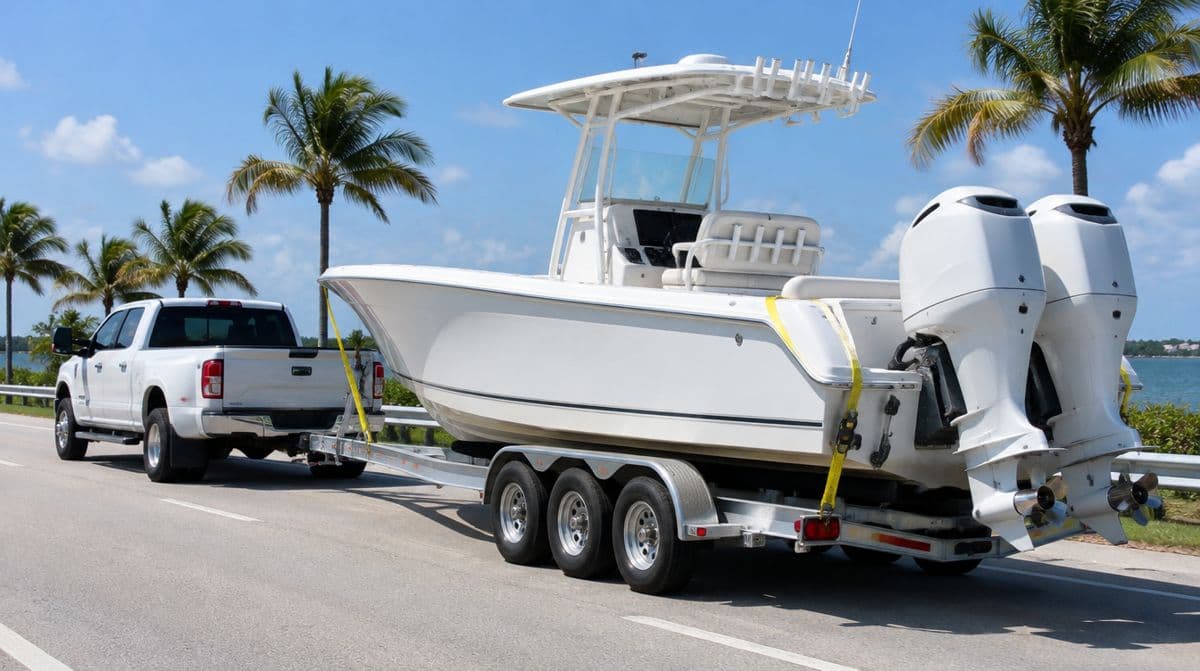
Moving a boat over the road looks simple from the outside: trailer, truck, highway. Then you learn your beam is ten and a half feet, your hardtop puts the load over thirteen feet tall, and suddenly you are in the world of permits, routing surveys, and escort vehicles. Here is how professional hauling actually works, and why it is worth paying someone who does it every week.
When a boat becomes an oversize load
Federal highway rules set the standard legal load width at 102 inches, which is 8 feet 6 inches, per the Federal Highway Administration. Very few cruising boats fit inside that. The moment your beam crosses the line, the move needs oversize permits, and those are issued state by state, for a specific route, often with rules about travel hours, weekends, and escort cars. Height is trickier: FHWA notes there is no federal height limit at all, and most states allow somewhere between 13 feet 6 inches and 14 feet, with individual bridges and power lines running lower than that. A professional transporter handles the permit stack and the routing before the boat ever touches the trailer.
What actually drives the price
Three things, mostly. Distance is the obvious one, since you are paying for truck, fuel, and driver time both ways. Beam is the second, because width is what triggers permits and escorts, and a 12-foot beam costs meaningfully more to move than a 9-foot one. Height is the third, because a tall boat shrinks the list of legal routes, and a longer legal route means more miles. Add the local logistics on each end, haul-out, blocking, crane or travel lift fees, and you have the real quote. If two quotes are far apart, ask what is included; the cheap one often leaves the yard fees out.
Getting the boat ready on loading day
The transporter drives; you prepare. The usual list: drain water systems and fuel the boat down to a working minimum, remove or lash anything that can fly, strip canvas and enclosures, lower or remove antennas, radar, and outriggers, disconnect batteries, lock the cabin, and photograph everything from every angle before the straps go on. Measure the boat on its trailer, not from the spec sheet: actual keel-to-highest-point height and true beam including rub rails. Your transporter will ask for these numbers, and the whole plan is built on them.
Never guess at clearance
This is the rule that separates professionals from expensive stories. A load that measures 13 feet 8 inches does not fit under a bridge posted at 13 feet 6 inches, and hoping is not a routing strategy. Good haulers verify the critical dimension with a tape measure or a height pole, run the route against state clearance data, and physically check the low spots when the margin is tight. If you are towing your own boat even a short distance, the same discipline applies: know your exact height on the trailer, and know every bridge between you and the ramp. The repair bill for a hardtop meeting an overpass starts in five figures and goes up from there.
Finding the right hauler
A good transport company answers the beam and height questions before you ask, carries cargo insurance it will show you, and talks you out of moves that do not make sense. Waypoint lists transport and delivery pros across Florida, every listing checked against the business's own website, with the Verified badge marking owners who claimed and confirmed their profiles. Start your shortlist at Transport & Delivery on Waypoint, and get the measuring tape out before you call. The pros will like you for it.
More from the Wire
 Waypoint
October 13, 2026
The Runaround Problem: Why Finding a Good Marine Pro Is the Hardest Part of Owning a Boat
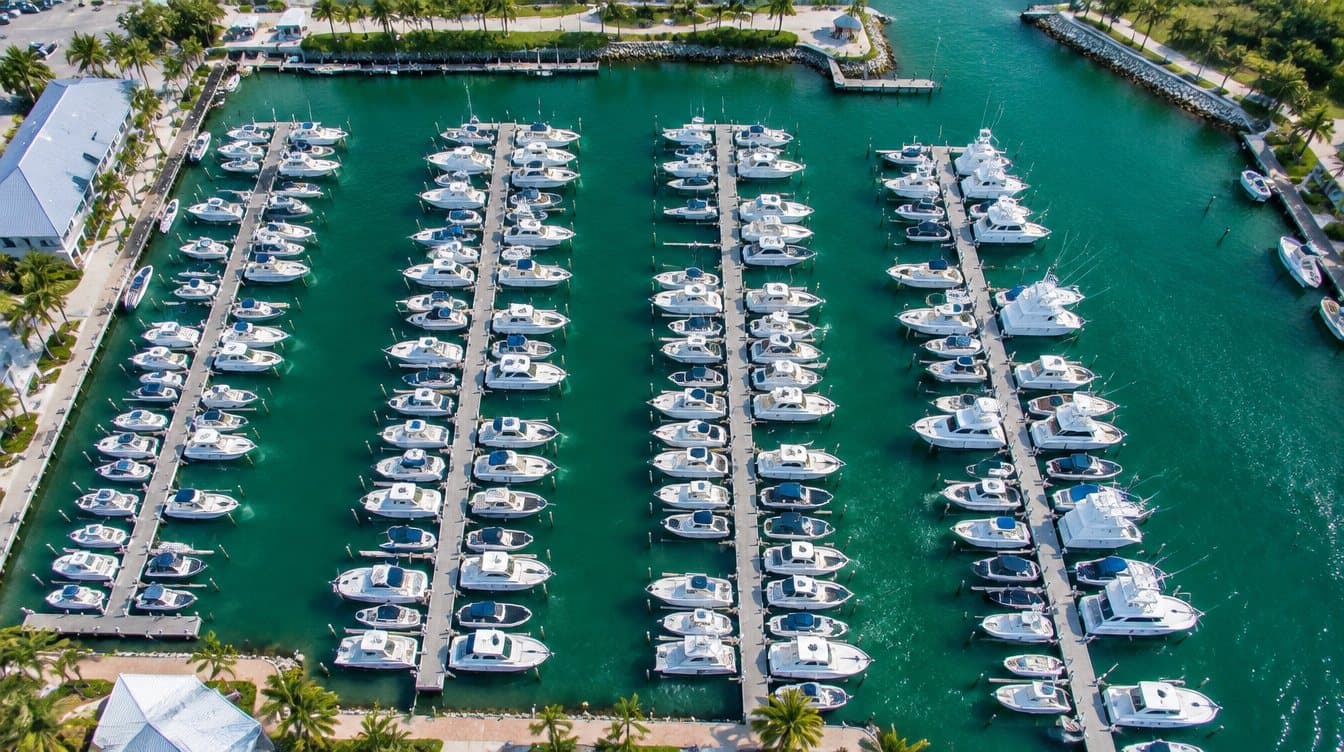
America has 11.6 million registered boats and a documented shortage of the people who service them. Here is what the numbers say about the runaround, and how we are fixing it.
Read more Waypoint
October 13, 2026
One Search, Whole Boat Day: How to Build a Service Plan in Minutes
Transport Thursday, bottom clean Friday, A/C fixed before guests land Saturday. Here is how Waypoint turns one sentence into a full lineup of vetted pros.
Read more Waypoint
October 13, 2026
In a Pinch Before the Boat Day? Here Is the Playbook
Dead A/C on Wednesday, guests arriving Saturday. The playbook for getting a marine pro moving fast, and what to have ready so they can say yes.
Read more