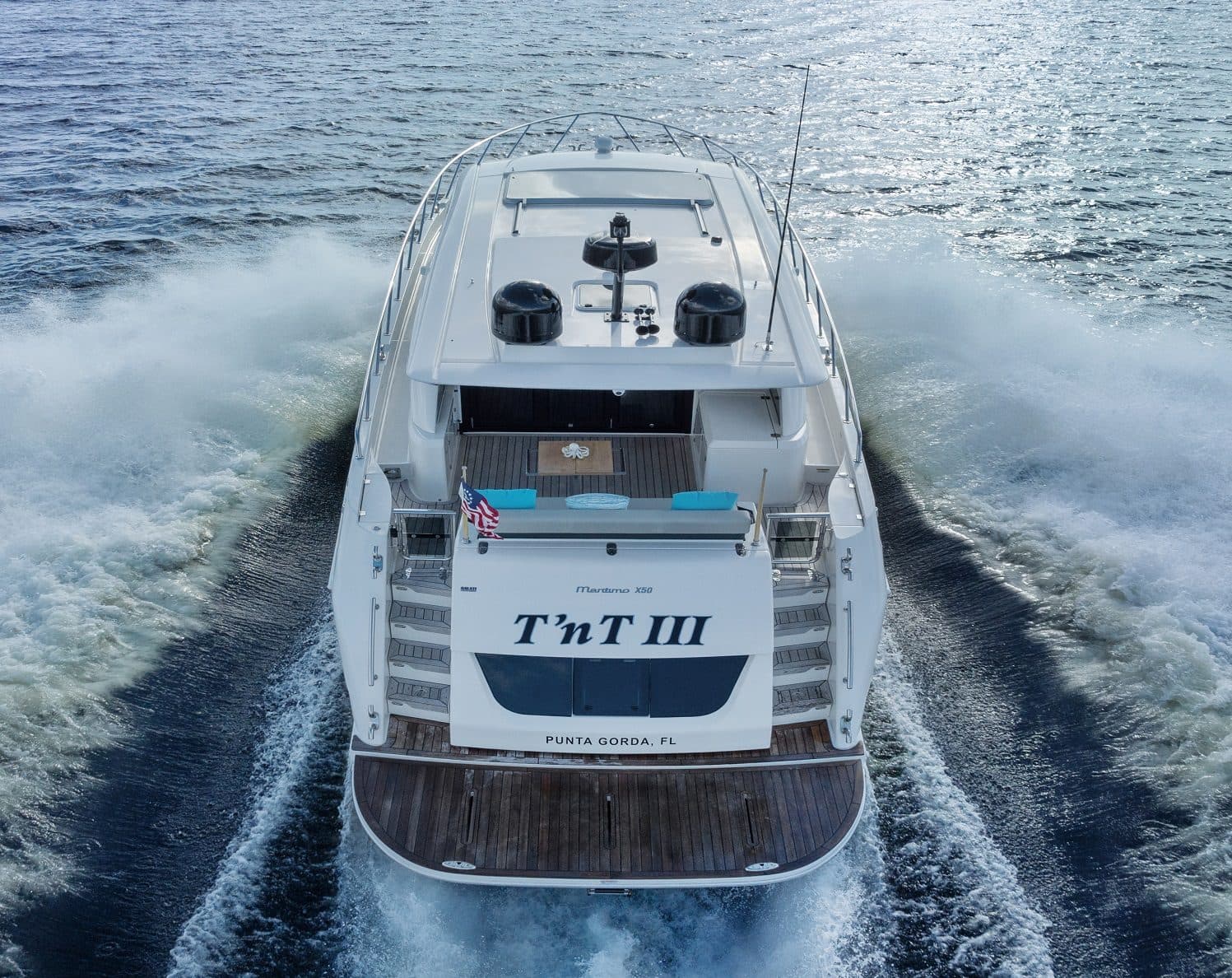
Barnacles Are Stealing Your Fuel: The Real Cost of a Dirty Bottom
Navy research puts hard numbers on what growth does to a hull, and they are bigger than most owners think. What the science says, and what a Florida cleaning schedule should look like.
Nobody sees their own bottom paint, which is why hull fouling is the most expensive problem most boaters never think about. The research on what growth actually costs is striking.
What the science says
The most cited work comes from the US Naval Academy. Michael Schultz's 2007 study in the journal Biofouling found that heavy calcareous fouling, the hard barnacle crust Florida water grows so well, can increase the shaft power a mid-size ship needs at cruise by up to 86 percent. Even a soft slime film measurably increases drag before anything hard ever attaches.
Follow-up research in 2011 estimated that hull fouling costs the US Navy about 56 million dollars per year on a single destroyer class, almost all of it in extra fuel burned fighting friction. And the International Maritime Organization cites a 15 to 20 percent fuel penalty for commercial ships running with deteriorated hulls and props.
Your center console is not a destroyer, but the physics does not care. Growth means drag, drag means fuel, and fuel means money, plus lost speed and a sluggish helm you can feel.
The Florida reality
There is no official standard for how often to clean, but ask the divers who do this every day and the answer across Florida is remarkably consistent: a roughly monthly cycle in our warm salt water, tightening to every three weeks at summer's peak. Stretch it to two or three months and soft growth becomes hard growth, and removing barnacles means scraping, and scraping eats bottom paint.
While the diver is down there, the zincs matter just as much. The standard guidance from builders is simple: replace sacrificial anodes once they are about half gone, because a mostly consumed zinc is no longer protecting your running gear. And if your zincs are vanishing unusually fast, that is a warning sign of a stray-current electrical problem worth a professional look.
Finding your diver
Waypoint lists dozens of hull-cleaning divers across Florida, from Pensacola to Key West, every one verified against their own business before listing, with the Verified badge marking the shops that have claimed and confirmed their profiles. Find yours at nautical.network/directory/browse?category=diving, get on a monthly schedule, and stop paying the barnacle tax.
More from the Wire
 Waypoint
October 13, 2026
The Runaround Problem: Why Finding a Good Marine Pro Is the Hardest Part of Owning a Boat
America has 11.6 million registered boats and a documented shortage of the people who service them. Here is what the numbers say about the runaround, and how we are fixing it.
Read more Waypoint
October 13, 2026
One Search, Whole Boat Day: How to Build a Service Plan in Minutes
Transport Thursday, bottom clean Friday, A/C fixed before guests land Saturday. Here is how Waypoint turns one sentence into a full lineup of vetted pros.
Read more Waypoint
October 13, 2026
In a Pinch Before the Boat Day? Here Is the Playbook
Dead A/C on Wednesday, guests arriving Saturday. The playbook for getting a marine pro moving fast, and what to have ready so they can say yes.
Read more